Home Blog Page 9

The Ultimate Guide to House Cleaning: Tips and Tricks for a Spotless Home

0

Keeping a house clean is a task that many people struggle with. From dusting surfaces to washing dishes and scrubbing floors, the responsibilities can pile up quickly. However, with the right strategies and approach, house cleaning can become a manageable and even enjoyable chore. Whether you’re looking to maintain your home regularly or tackle a deep cleaning project, this guide provides valuable insights and actionable tips for making your space spotless.

Why House Cleaning is Essential for Your Well-being

House cleaning isn’t just about making your space look presentable; it’s also crucial for your health and overall well-being. Dust, dirt, and allergens can accumulate quickly, making it harder to breathe and potentially aggravating conditions like asthma or allergies. A clean home also promotes mental clarity and reduces stress, as a cluttered environment can contribute to feelings of being overwhelmed.

Regular house cleaning ensures that your living environment stays healthy, pleasant, and comfortable. Additionally, the effort you put into cleaning can extend the lifespan of your furniture and appliances, saving you money in the long run.

Essential House Cleaning Tasks You Should Never Skip

While house cleaning may seem like a daunting task, focusing on a few key areas can make a significant difference. Here are the essential cleaning tasks you should prioritize:

1. Dusting Surfaces

Dusting is one of the easiest ways to maintain a clean house, yet it is often overlooked. Dust particles settle on all kinds of surfaces, including shelves, tables, and even electronics. Regular dusting will help improve the air quality in your home and prevent allergens from accumulating. Use a microfiber cloth to trap dust rather than spreading it around.

2. Vacuuming Carpets and Rugs

Vacuuming should be done at least once a week, but high-traffic areas may require more frequent attention. Vacuuming helps remove dirt, debris, and pet hair, as well as preventing stains from setting into your carpets. Don’t forget to vacuum rugs and upholstery, as these areas can also harbor dust and allergens.

3. Cleaning the Kitchen

The kitchen is the heart of any home, and it’s also one of the dirtiest areas. Regular cleaning of countertops, stovetops, and appliances like the refrigerator and microwave is necessary to prevent bacteria and grime from building up. Wipe down surfaces after every meal to keep things hygienic. A deep clean every month should include scrubbing the inside of the oven and cleaning out the refrigerator to remove expired items.

4. Washing Dishes

Dirty dishes can quickly pile up and create an unpleasant environment in your kitchen. Make it a habit to wash dishes after each meal or load them into the dishwasher right away. If you don’t have a dishwasher, soak dishes in warm soapy water before washing to make the task easier.

5. Bathroom Cleaning

Bathrooms are another area where cleanliness is crucial. Wipe down sinks, mirrors, and countertops regularly to prevent soap scum and water spots. Clean the toilet, bathtub, and shower at least once a week to keep germs and grime at bay. Disinfecting these areas ensures that bacteria don’t spread.

6. Sweeping and Mopping Floors

Floors are constantly exposed to dirt and dust, so it’s important to sweep them regularly to keep them clean. Once you’ve swept the floors, mop them to remove stains, spills, and stubborn dirt. Whether you have hardwood, tile, or vinyl floors, a thorough cleaning will make your space look polished.

Organizing Your House for Easier Cleaning

An organized house is much easier to clean. When everything has its place, you can focus on the actual cleaning rather than spending time searching for things or picking up clutter. Here are some tips for organizing your home:

1. Declutter Frequently

Clutter can make a space feel chaotic and harder to clean. Set aside time each week to declutter your home. Donate or dispose of items you no longer need, and organize your belongings so that they are easy to access. This will not only make your house cleaner but also more efficient to maintain.

2. Use Storage Solutions

Consider investing in storage bins, shelves, and organizers to keep your belongings tidy. For example, use baskets or bins in the bathroom to hold toiletries, or install hooks in your entryway to keep coats and bags off the floor. These small organizational changes can make a big difference when it comes time to clean.

3. Make Your Bed Every Morning

It may seem like a small task, but making your bed every morning instantly improves the look of your bedroom and gives you a sense of accomplishment. Plus, it helps keep your bedroom neat and prevents dust from accumulating on the bedspread.

Time-Saving Tips for Efficient House Cleaning

House cleaning can take up a lot of time, but there are ways to streamline the process and make it more efficient. Here are some tips for cleaning your home quickly and effectively:

1. Use the Right Tools

Having the right cleaning supplies on hand can save you time. Invest in high-quality cleaning products and tools, such as a good vacuum cleaner, microfiber cloths, and multi-surface cleaners. You don’t need to buy expensive or specialized products for every task; choose versatile items that can be used throughout your home.

2. Create a Cleaning Schedule

Set aside specific days for certain tasks so that cleaning doesn’t feel overwhelming. For instance, designate Monday for vacuuming and dusting, Wednesday for cleaning the bathroom, and Friday for mopping floors. By breaking your cleaning tasks into smaller chunks, you can keep your home consistently clean without feeling like you’re constantly cleaning.

3. Clean as You Go

One of the easiest ways to keep your house clean is to clean as you go. For example, wipe down countertops while cooking, put dishes in the dishwasher as soon as you’re done using them, and tidy up the living room after each use. This will prevent messes from accumulating and reduce the amount of time you spend cleaning later.

Eco-Friendly House Cleaning

If you’re looking to make your house cleaning routine more eco-friendly, there are several natural alternatives to conventional cleaning products. Many cleaning solutions can be made with common household items like vinegar, baking soda, and lemon juice. These products are effective, non-toxic, and safe for the environment.

For example, a mixture of vinegar and water can be used to clean windows and countertops, while baking soda is great for scrubbing stains and deodorizing carpets. Not only are these ingredients cheaper, but they also eliminate harmful chemicals from your home.

Hiring a Professional House Cleaning Service

If you find that house cleaning is too time-consuming or overwhelming, consider hiring a professional cleaning service. A professional team can tackle all the heavy lifting, such as deep cleaning your carpets, washing windows, or cleaning your oven. Many cleaning companies offer flexible schedules, so you can arrange for them to come in on a regular basis or for one-time deep cleaning sessions.

Professional cleaners are also skilled in using the right products and techniques to ensure your home is cleaned thoroughly and safely.

Conclusion

House cleaning may seem like a never-ending task, but with the right approach and routine, it can become more manageable. By staying organized, focusing on key tasks, and using time-saving strategies, you can keep your home clean and welcoming year-round. Whether you choose to clean your house yourself or hire a professional, remember that a clean home is not only a reflection of your lifestyle but also an important factor in maintaining your health and happiness.

Everything You Need to Know About Plumbing: Essential Tips and Services for Homeowners

0

Introduction

Plumbing is an essential part of every home and building, ensuring that water flows properly and waste is disposed of efficiently. Whether you’re dealing with a leaky faucet, a clogged drain, or planning a major renovation, understanding plumbing basics is crucial. In this article, we’ll explore common plumbing problems, helpful maintenance tips, and the services that professional plumbers offer to keep your home’s plumbing system in top shape.

What Is Plumbing?

Plumbing refers to the system of pipes, fixtures, and fittings that are installed in a building for the purpose of water supply and waste management. It involves a variety of components, such as pipes, water heaters, faucets, and drainage systems, all working together to provide clean water for drinking, cooking, and bathing, while also safely removing waste.

The plumbing system is an integral part of any structure, and maintaining it is important for preventing issues that can lead to costly repairs and potential damage to your property. A well-functioning plumbing system helps preserve the quality of life by ensuring reliable access to water and sanitation.

Common Plumbing Problems and How to Fix Them

Every homeowner will likely experience plumbing issues at some point. Below are some of the most common plumbing problems you might encounter, along with tips on how to address them.

Leaky Faucets and Pipes

A leaky faucet or pipe can waste a significant amount of water over time, leading to higher utility bills and potential water damage. Common causes of leaks include worn-out washers, corroded pipes, or improperly tightened fittings.

How to fix it:
For minor leaks, you can often replace washers or tighten loose connections. If the problem is more serious, such as a corroded pipe, you may need to call in a plumber to replace the damaged section.

Clogged Drains

Clogged drains are another common issue homeowners face. They occur when debris, grease, soap scum, or hair build up inside the pipes, restricting water flow.

How to fix it:
To clear a clogged drain, start by using a plunger or a drain snake to dislodge the blockage. If that doesn’t work, you can try pouring a mixture of baking soda and vinegar into the drain, followed by hot water to break down the clog. For stubborn clogs, it’s best to contact a plumber.

Running Toilet

A running toilet is not only annoying but can also waste a large amount of water, leading to increased water bills.

How to fix it:
Check the flapper valve inside the toilet tank to see if it’s worn out or not sealing properly. If that’s the issue, replacing the flapper should solve the problem. In some cases, the issue may lie with the flush valve or the fill valve, which may require a professional plumber’s attention.

Low Water Pressure

Low water pressure can make daily tasks like showering and washing dishes frustrating. It can be caused by a variety of issues, including clogged pipes, a malfunctioning pressure regulator, or mineral buildup in fixtures.

How to fix it:
Check for leaks in the pipes, which can reduce pressure. If the problem is mineral buildup in the faucet aerators or showerheads, cleaning them with vinegar can often help. For more complex issues, consider hiring a plumber to inspect your system.

Plumbing Maintenance Tips

Routine maintenance is essential to keep your plumbing system running smoothly. Here are some tips to help you prevent major plumbing issues:

Inspect Your Pipes Regularly

Check your pipes for signs of corrosion, leaks, or damage. Pay particular attention to areas under sinks, around the water heater, and in your basement. Early detection of issues can prevent expensive repairs down the road.

Avoid Pouring Grease Down the Drain

Grease and oil can solidify inside pipes, causing blockages and clogs. Instead of pouring grease down the drain, dispose of it in the trash or recycle it.

Know Where Your Shutoff Valve Is

In case of a plumbing emergency, it’s important to know where your main water shutoff valve is located. This valve will allow you to turn off the water supply to your entire home and prevent flooding or further damage.

Flush Your Water Heater Annually

Mineral deposits can build up inside your water heater, reducing its efficiency and lifespan. Flushing your water heater once a year can help remove these deposits and keep your water heater running efficiently.

Check for Leaks

Regularly inspect your plumbing fixtures, faucets, and pipes for leaks. Even a small drip can waste water and lead to bigger problems over time. If you notice any leaks, fix them promptly to avoid water damage.

When to Call a Professional Plumber

While some plumbing problems can be fixed by homeowners, others require the expertise of a licensed plumber. Here are some instances when it’s best to call in a professional:

  • Major Leaks or Burst Pipes: If you have a burst pipe or significant leak, contact a plumber immediately to avoid water damage and expensive repairs.
  • Water Heater Issues: If your water heater isn’t working properly, a plumber can diagnose the problem and perform necessary repairs or replacements.
  • Clogs That Won’t Budge: If your DIY efforts to clear a clogged drain or toilet fail, a plumber can use specialized equipment to remove the blockage.
  • Gas Line Problems: Plumbing professionals are trained to handle gas line issues safely. If you suspect a gas leak, leave the house immediately and call a plumber or gas utility company.
  • Remodeling Projects: If you’re remodeling your kitchen or bathroom, a plumber can ensure that your plumbing system is properly installed to accommodate new fixtures and appliances.

Choosing the Right Plumbing Service

When selecting a plumbing service, consider the following factors:

  • Licensing and Insurance: Always choose a plumber who is licensed and insured to ensure they are qualified to perform the work.
  • Experience: Look for a plumber with years of experience and a good reputation in your area.
  • Emergency Services: Plumbing issues can occur at any time, so choose a company that offers 24/7 emergency services for urgent problems.
  • Customer Reviews: Read online reviews to gauge the quality of service provided by the plumber.

Conclusion

Plumbing is an essential aspect of homeownership that plays a crucial role in your daily life. Regular maintenance, quick repairs, and knowing when to call a professional plumber can save you time, money, and frustration. Whether you’re dealing with a small leak or planning a major plumbing upgrade, understanding the basics of plumbing and knowing when to seek expert help can ensure that your plumbing system remains in top working condition for years to come.

Bathroom Installers Hoddesdon: Expert Services for Your Dream Bathroom

0

When it comes to upgrading your home, one of the most important spaces to focus on is your bathroom. Whether you are looking to refresh an outdated space or create a luxurious new retreat, hiring professional bathroom installers Hoddesdon is essential for achieving the best results. In this article, we’ll discuss why choosing expert bathroom installers can make a significant difference in the quality of your bathroom renovation, as well as provide tips for finding the right team for the job.

Why Hire Professional Bathroom Installers in Hoddesdon?

1. Expertise and Experience

Professional bathroom installers in Hoddesdon bring years of experience to the table, ensuring that every detail of your bathroom renovation is executed with precision and skill. From plumbing and tiling to electrics and carpentry, expert installers have the necessary training and knowledge to handle every aspect of your bathroom renovation. Their expertise ensures that your bathroom is not only stylish but also functional and safe.

2. High-Quality Workmanship

A well-installed bathroom is a testament to the quality of workmanship involved. Experienced bathroom installers use high-quality materials and employ best practices to create a space that stands the test of time. Whether you’re installing a new bathtub, shower, or vanity, professionals will ensure that every element is fitted perfectly and works seamlessly.

3. Save Time and Stress

Renovating a bathroom can be a time-consuming and stressful project, especially if you lack the skills or knowledge to complete the work yourself. Hiring bathroom installers in Hoddesdon means you can sit back and relax while the professionals take care of everything. They will handle the logistics, source the best materials, and ensure the project stays on track and within budget.

4. Tailored Design Solutions

Every homeowner has a unique vision for their bathroom. Professional bathroom installers in Hoddesdon work closely with you to understand your needs, preferences, and budget, offering tailored design solutions that align with your goals. Whether you want a modern, minimalist design or a more traditional look, installers will help bring your vision to life, providing guidance on the best materials and layouts to suit your space.

5. Proper Licensing and Insurance

When hiring a bathroom installer in Hoddesdon, it’s important to ensure that they are fully licensed and insured. Professionals will have the necessary credentials to perform the work safely and legally, giving you peace of mind throughout the renovation process. Additionally, reputable bathroom installers carry insurance to protect you and your property in case of any accidents or unforeseen issues during the installation.

The Process of Bathroom Installation

1. Initial Consultation and Design

The first step in any bathroom installation project is the consultation. This is where you discuss your ideas with the bathroom installers in Hoddesdon and share your vision for the space. They will evaluate your current bathroom, offer suggestions, and help you plan the layout and design of your new bathroom. This is a collaborative process, with the installer offering advice on the best products and materials for your needs.

2. Removal of Old Fixtures

Once the design has been finalized, the next step is to remove the old fixtures and fittings. Experienced bathroom installers in Hoddesdon will ensure that the removal process is handled with care, ensuring no damage is done to the existing walls or flooring. They will dispose of the old fixtures properly, making way for the new installations.

3. Installation of Plumbing and Electrical Systems

A critical part of any bathroom renovation is the installation of plumbing and electrical systems. Professional bathroom installers in Hoddesdon will work with licensed plumbers and electricians to ensure that all pipes, outlets, lights, and heating systems are installed to the highest standard. This ensures that your new bathroom will be fully functional and compliant with building regulations.

4. Fitting the New Fixtures

Once the plumbing and electrical systems are in place, it’s time to fit the new fixtures and fittings. This includes installing the bathtub, shower, toilet, sink, and any other features you’ve selected. Bathroom installers in Hoddesdon will work meticulously to ensure that each fixture is installed securely and aligned correctly, providing a clean and cohesive look.

5. Tiling and Finishing Touches

The final step in the bathroom installation process is tiling and adding finishing touches such as mirrors, towel rails, and shelving. Professional bathroom installers will ensure that your tiles are laid perfectly, creating a stylish and functional finish. They will also handle any last-minute adjustments to ensure that your bathroom is complete and ready to use.

How to Find Reliable Bathroom Installers in Hoddesdon

Finding the right bathroom installers in Hoddesdon for your renovation project is crucial to ensuring the success of your bathroom transformation. Here are some tips for finding a trustworthy and skilled installer:

1. Ask for Recommendations

Start by asking friends, family, or neighbors for recommendations. Word of mouth is often the best way to find reputable bathroom installers who have a proven track record of delivering high-quality work. Personal referrals can help you narrow down your options and give you confidence in the installers you choose.

2. Read Reviews and Testimonials

Online reviews and testimonials are valuable resources for assessing the reputation of bathroom installers in Hoddesdon. Look for installers who have received positive feedback for their workmanship, professionalism, and customer service. A reputable installer will have plenty of satisfied customers who can vouch for their skills.

3. Check Credentials and Insurance

Before hiring any bathroom installer, check that they are fully licensed and insured. This ensures that they meet the required standards and are legally able to carry out the work. Proper insurance also protects you in the event of any accidents or damage during the installation process.

4. Request a Detailed Quote

Once you’ve shortlisted a few bathroom installers in Hoddesdon, ask for a detailed quote that outlines the costs of materials, labor, and any additional services. This will help you compare prices and ensure that you’re getting good value for your money. A detailed quote also ensures transparency and helps avoid unexpected costs later on.

5. Visit Previous Projects

If possible, ask to see examples of the installer’s previous work. A professional bathroom installer will be happy to show you photos of past renovations or even take you to a project they have completed in the past. This will give you a sense of their style and the quality of their work.

Conclusion

Investing in professional bathroom installers in Hoddesdon is one of the best decisions you can make when planning a bathroom renovation. With their expertise, experience, and attention to detail, you can be confident that your new bathroom will be both beautiful and functional. By following the tips provided and choosing a reliable installer, you can create the bathroom of your dreams that will add value and comfort to your home for years to come.

Transforming Small Spaces with SFA Pumps: Clever Design Tips for Maximum Efficiency

In small commercial spaces, every square inch matters. Maximizing functionality while ensuring a comfortable and efficient environment can be challenging. However, with innovative solutions like SFA India pumps, transforming these compact areas into efficient workspaces is more attainable than ever. Here’s how SFA pumps can help optimize small spaces, along with design tips that enhance overall productivity.


1. Utilizing SFA Pumps for Flexible Bathroom Installations

One of the significant challenges in small commercial spaces is the installation of necessary facilities like restrooms. SFA macerator pumps allow for greater flexibility in bathroom design by enabling plumbing installations in areas previously deemed unsuitable.

  • Space-Efficient Restrooms: With SFA pumps, you can add a restroom without extensive renovations. These pumps can move waste and grey water vertically and horizontally, allowing you to position bathrooms wherever needed, thus maximizing space efficiency.
  • Compact Designs: Pair SFA pumps with compact bathroom fixtures to create a functional restroom in tight spots, ensuring you don’t sacrifice comfort for space.

2. Streamlined Kitchen and Laundry Solutions

Small commercial kitchens or laundry areas can often feel cramped, but with SFA grey water pumps, you can optimize these spaces for better functionality.

  • Efficient Waste Management: SFA grey water pumps enable the setup of kitchens and laundry rooms even in basements or other non-traditional spaces. They allow for the effective removal of wastewater without the need for extensive plumbing work, making it easier to maximize layout options.
  • Multi-Use Areas: Incorporate multi-functional furniture and appliances that work alongside the pump systems. For example, consider foldable tables or compact appliances that can be stored when not in use, keeping the area open and spacious.

3. Innovative Storage Solutions Around SFA Pumps

When utilizing SFA pumps, it’s essential to consider the surrounding space for effective storage solutions.

  • Utilizing Vertical Space: Install shelves or cabinets above the SFA pump area to keep cleaning supplies or tools organized and easily accessible without interfering with pump functionality.
  • Custom Cabinets: Design custom cabinetry that accommodates the pump’s layout while providing additional storage. This keeps the area organized and maximizes the usability of space around the pump.

4. Creating Open and Collaborative Environments

With SFA pumps enabling flexible plumbing solutions, you can design more open and collaborative workspaces.

  • Open-Concept Layouts: Create open layouts that promote teamwork and communication. The ability to install facilities anywhere makes it easier to maintain this flow without barriers.
  • Ergonomic Furniture: Use ergonomic furniture that can be easily moved around to accommodate different group sizes or activities, ensuring that the space remains functional and comfortable.

5. Aesthetic Integration of SFA Pump Systems

SFA pumps don’t have to be an eyesore in your design. Integrate them into your overall aesthetic to maintain a clean and professional appearance.

  • Concealed Installations: Design the space so that the pump and associated plumbing are concealed or blended into the decor, maintaining a polished look.
  • Modern Finishes: Use modern finishes and colors that complement the overall design scheme, ensuring that the installation feels like a cohesive part of the environment rather than an afterthought.

Conclusion

Transforming small commercial spaces into efficient, functional environments requires innovative solutions. SFA pumps offer the flexibility to enhance plumbing systems without extensive renovations, allowing for creative layouts and designs that maximize space utilization. By combining these systems with clever design tips—such as effective storage, open layouts, and ergonomic furniture—you can create a workspace that is not only functional but also conducive to productivity and collaboration. Embrace the potential of your small space with SFA pumps and innovative design strategies that will redefine your commercial environment.

Creating a Relaxing Bedroom with the Right Decor

0

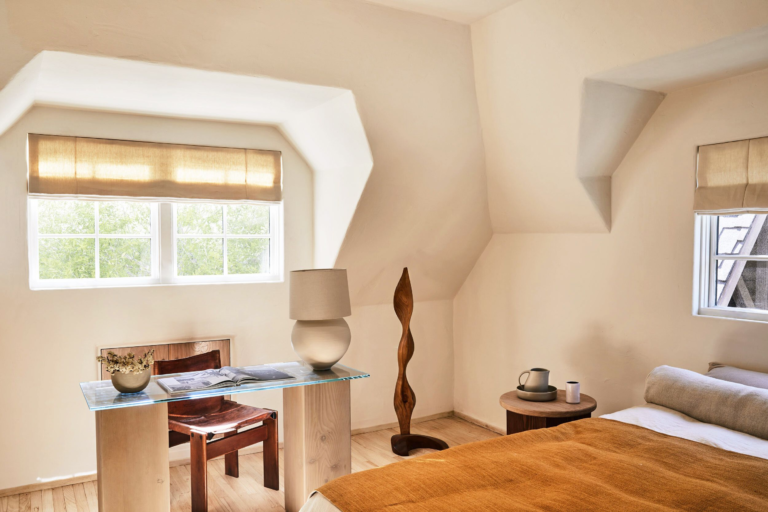
Your bedroom is more than just a place to sleep; it’s a sanctuary where you unwind, recharge, and escape from the stresses of daily life. Creating a relaxing bedroom with the right decor involves a thoughtful approach to design, color, and furnishings. This guide will walk you through the essential elements to transform your bedroom into a serene retreat that promotes relaxation and restful sleep.

1. Choose a Calming Color Palette

The color scheme of your bedroom plays a crucial role in setting the tone for relaxation. Opt for soothing, neutral colors such as soft blues, greens, or greys, which are known to have a calming effect. These shades help create a tranquil environment, making it easier to unwind after a long day. If you prefer a touch of warmth, muted tones like beige or soft taupe can also create a cozy atmosphere.

2. Invest in High-Quality Bedding

Your bed is the focal point of your bedroom, so investing in high-quality bedding is essential. Choose soft, breathable fabrics like cotton or linen that feel gentle against your skin. Opt for a comfortable mattress and pillows that provide proper support, ensuring a restful night’s sleep. Layering your bed with plush pillows and a cozy duvet adds an extra touch of comfort and luxury.

3. Incorporate Soft Lighting

Lighting has a significant impact on the ambiance of your bedroom. To create a relaxing environment, incorporate soft, warm lighting options. Avoid harsh overhead lights and opt for bedside lamps with dimmers or adjustable settings. Fairy lights or string lights can also add a soft, magical glow to the room. Consider adding candles for a soothing, flickering light that enhances the overall atmosphere.

4. Select Comfortable Furniture

Comfortable furniture is key to creating a relaxing bedroom. Choose a bed frame that suits your style and preferences, and ensure it is sturdy and supportive. Add a comfortable armchair or a reading nook if space allows, where you can curl up with a good book. Incorporate a stylish yet functional dresser and nightstands to keep essentials within reach without cluttering the space.

5. Add Plush Rugs and Carpets

Soft rugs and carpets can enhance the comfort of your bedroom. They provide a cozy surface to walk on and can add a layer of warmth to the room. Choose rugs that complement your decor and add a touch of luxury underfoot. Consider placing a large area rug under the bed to create a unified look and a comfortable space to step onto in the morning.

6. Incorporate Natural Elements

Bringing nature indoors can significantly contribute to a relaxing atmosphere. Incorporate natural elements such as houseplants, which not only improve air quality but also add a touch of tranquility. Choose low-maintenance plants like succulents or snake plants if you’re new to gardening. Wooden furniture or decor items can also add a warm, organic touch to your bedroom.

7. Create a Personalized Gallery Wall

A personalized gallery wall can make your bedroom feel uniquely yours. Display artwork, photographs, or inspirational quotes that bring you joy and relaxation. Choose frames and arrangements that complement your bedroom’s color palette and overall decor style. This personal touch helps create a space that reflects your personality and enhances your sense of comfort.

8. Use Aromatherapy

Aromatherapy can enhance relaxation and promote a restful atmosphere in your bedroom. Incorporate essential oils through diffusers, scented candles, or pillow sprays. Scents like lavender, chamomile, and eucalyptus are known for their calming properties. Choose fragrances that you find soothing and pleasant to create a serene environment conducive to sleep and relaxation.

9. Opt for Minimalist Decor

Clutter can disrupt the sense of calm in your bedroom. Embrace a minimalist approach to decor by keeping surfaces tidy and incorporating only essential items. Choose functional furniture with built-in storage to keep belongings organized and out of sight. A clutter-free space contributes to a more peaceful and restful environment, allowing you to relax without distractions.

10. Incorporate Soft Textiles

Soft textiles can add a layer of comfort and warmth to your bedroom. Incorporate items such as fluffy throw blankets, plush cushions, and soft curtains. These textiles not only enhance the visual appeal of the room but also create a cozy atmosphere. Choose fabrics that are pleasant to touch and contribute to the overall sense of relaxation.

11. Consider Your Room’s Layout

The layout of your bedroom can impact its overall sense of tranquility. Arrange furniture to promote a smooth flow of movement and ensure that the space feels open and airy. Avoid placing the bed directly under a window or in line with the door, as this can disrupt the feeling of security and relaxation. Aim for a layout that allows for easy access and creates a harmonious balance in the room.

12. Personalize with Thoughtful Details

Adding personal touches to your bedroom decor can make it feel more inviting and relaxing. Incorporate items that hold sentimental value or bring you comfort, such as cherished books, favorite artworks, or meaningful trinkets. Personalizing your space with these thoughtful details creates a sense of ownership and enhances the overall feeling of relaxation.

13. Ensure Good Air Quality

Good air quality is essential for a restful sleep environment. Ensure proper ventilation in your bedroom by opening windows regularly or using an air purifier. Fresh, clean air contributes to a more comfortable and relaxing space. Consider adding an air-purifying plant or using essential oils to improve the air quality and enhance the overall ambiance.

14. Maintain a Consistent Theme

A consistent theme throughout your bedroom decor can create a cohesive and calming environment. Whether you prefer a modern, rustic, or bohemian style, stick to a theme that resonates with you and enhances relaxation. Consistency in color, materials, and design elements helps create a unified look that contributes to a serene and comfortable space.

15. Incorporate Functional Storage Solutions

Effective storage solutions help maintain a clutter-free environment, which is essential for relaxation. Use stylish storage options like baskets, bins, or built-in cabinets to keep items organized and out of sight. Well-organized storage ensures that your bedroom remains a peaceful retreat, free from the distractions of clutter and mess.

16. Enhance Your Bedroom with Artwork

Artwork can add a personal touch and create a relaxing atmosphere in your bedroom. Choose pieces that inspire calmness and tranquility, such as nature scenes, abstract art, or soothing color palettes. Avoid overly stimulating or chaotic artwork, as it may detract from the serene environment you’re trying to create.

17. Incorporate Soft Music

Soft background music can enhance the relaxing ambiance of your bedroom. Consider using a sound machine or a music player to play calming tunes or nature sounds. Music with a slow tempo and soothing melodies can help reduce stress and promote relaxation. Choose music that you find calming and enjoyable to enhance your bedroom experience.

18. Add Cozy Accessories

Cozy accessories can make your bedroom feel more inviting and comfortable. Consider adding items like a soft, chunky knit throw or a warm, plush robe to enhance the sense of comfort. These small details contribute to the overall relaxation of the space, creating a welcoming environment for rest and relaxation.

19. Invest in Quality Curtains

Quality curtains not only enhance the aesthetics of your bedroom but also contribute to a restful environment. Choose curtains that block out light effectively to ensure a dark, restful space for sleep. Opt for fabrics that complement your decor and add a touch of luxury to your bedroom.

20. Create a Relaxing Reading Nook

A relaxing reading nook can be a wonderful addition to your bedroom. Set up a comfortable chair, a small side table, and a good reading lamp to create a cozy corner where you can unwind with a book. This dedicated space offers a retreat within your bedroom and adds to the overall sense of relaxation.

Conclusion

Creating a relaxing bedroom involves a combination of thoughtful design choices, comfortable furnishings, and personal touches that contribute to a serene atmosphere. By selecting a calming color palette, investing in quality bedding, incorporating soft lighting, and adding natural elements, you can transform your bedroom into a tranquil sanctuary. Embrace minimalist decor, personalize your space, and ensure good air quality to enhance the overall sense of relaxation. With these tips, you’ll be well on your way to creating a peaceful retreat where you can truly unwind and recharge.

The Evolution of Home Design: From Traditional to Modern

0

Home design has witnessed a remarkable transformation over the centuries, evolving from traditional styles rooted in cultural heritage to modern aesthetics characterized by sleek lines and minimalism. This evolution reflects broader societal changes, technological advancements, and shifting tastes. In this article, we’ll explore how home design has evolved, highlighting key periods and styles that have shaped our living spaces.

1. Introduction: The Changing Face of Home Design

The journey of home design is a fascinating reflection of human progress and cultural shifts. From the ornate details of traditional architecture to the clean simplicity of modern design, each era has contributed to how we understand and inhabit our homes today. Understanding this evolution not only enriches our appreciation of architectural styles but also informs current design choices.

2. Traditional Home Design: A Glimpse into the Past

Traditional home design encompasses a wide array of styles, each rooted in its cultural and historical context. These designs often emphasize craftsmanship, intricate details, and materials that reflect local traditions and resources.

2.1 Colonial Architecture

Colonial architecture, prevalent in the American colonies during the 17th and 18th centuries, features symmetrical facades, gabled roofs, and central chimneys. Homes from this era often utilized locally available materials like wood and brick, reflecting a practical approach to building.

2.2 Victorian Era

The Victorian era, spanning the mid to late 19th century, introduced ornate detailing and eclectic styles. Key characteristics include decorative trims, patterned tiles, and complex rooflines. Victorian homes often featured vibrant colors and elaborate interiors, showcasing the affluence of the time.

2.3 Craftsman Style

The Craftsman style emerged in the early 20th century as a reaction against the industrial revolution’s mass production. Emphasizing handcrafted elements, exposed beams, and built-in furniture, this style celebrated the beauty of natural materials and skilled craftsmanship.

3. The Mid-Century Modern Movement: A Paradigm Shift

The mid-20th century marked a significant shift in home design with the rise of modernism. Influenced by technological advancements and changing lifestyles, mid-century modern design embraced simplicity and functionality.

3.1 Minimalism and Functionality

Mid-century modern design is known for its minimalist approach. Clean lines, open floor plans, and an emphasis on functionality define this style. Architects like Frank Lloyd Wright and designers such as Charles and Ray Eames championed the use of new materials like steel and glass, allowing for innovative designs and greater integration with the surrounding environment.

3.2 Integration with Nature

One of the defining features of mid-century modern homes is their seamless integration with nature. Large windows, sliding glass doors, and open spaces create a sense of connection between indoor and outdoor environments. This approach reflects a growing appreciation for natural light and views.

4. Contemporary Design: Embracing Change

Contemporary design, evolving from modernism, reflects the current trends and technological advancements in home design. This style is ever-changing, incorporating elements from various periods while focusing on sustainability and innovation.

4.1 Sustainable Design

In recent decades, sustainability has become a central focus in home design. Contemporary homes often feature energy-efficient systems, sustainable materials, and designs that minimize environmental impact. Green roofs, solar panels, and rainwater harvesting systems are examples of how modern design integrates eco-friendly practices.

4.2 Technological Integration

The integration of technology into home design has transformed how we interact with our living spaces. Smart home systems, including automated lighting, security, and climate control, offer convenience and enhance the functionality of contemporary homes. These technologies not only improve comfort but also contribute to energy efficiency.

5. The Role of Cultural Influences in Modern Design

Modern home design is influenced by a diverse range of cultural elements. Globalization has brought a fusion of styles, allowing homeowners to incorporate international aesthetics into their spaces.

5.1 Scandinavian Influence

Scandinavian design is characterized by its emphasis on simplicity, functionality, and natural materials. The use of light colors, clean lines, and a focus on creating cozy, inviting spaces are hallmarks of this style. Scandinavian design has become popular worldwide for its understated elegance and practical approach.

5.2 Asian Inspiration

Asian design principles, such as Feng Shui and Zen, have influenced modern home design by promoting balance and harmony. Elements like minimalism, natural materials, and a connection with nature are integral to creating serene and balanced living spaces.

6. Future Trends in Home Design

As we look to the future, several trends are shaping the direction of home design. These trends reflect ongoing societal changes and technological advancements, promising exciting developments in how we live and interact with our spaces.

6.1 Biophilic Design

Biophilic design emphasizes the connection between humans and nature. Incorporating elements such as indoor gardens, natural light, and organic materials fosters a sense of well-being and enhances the quality of life. This approach is gaining popularity as people seek to bring more nature into their urban environments.

6.2 Flexible and Multi-Functional Spaces

With the rise of remote work and changing lifestyles, flexible and multi-functional spaces are becoming essential. Homes are increasingly designed to accommodate various activities, from home offices to exercise areas. Modular furniture and adaptable layouts allow homeowners to personalize their spaces according to their needs.

7. Conclusion: Embracing the Evolution of Home Design

The evolution of home design from traditional to modern reflects broader changes in society, technology, and cultural values. Each era has contributed unique elements to the architectural landscape, creating a rich tapestry of styles and approaches. As we continue to embrace new trends and technologies, home design will undoubtedly evolve further, offering innovative solutions and reflecting our ever-changing lifestyles.

Understanding the history and future of home design not only enriches our appreciation of architecture but also informs our choices as we create spaces that reflect our personal tastes and values. Whether you favor the intricate details of traditional design or the sleek simplicity of modern aesthetics, the journey of home design offers endless inspiration and possibilities.

The Pros and Cons of Using Paint Sprayers vs. Brushes and Rollers

0

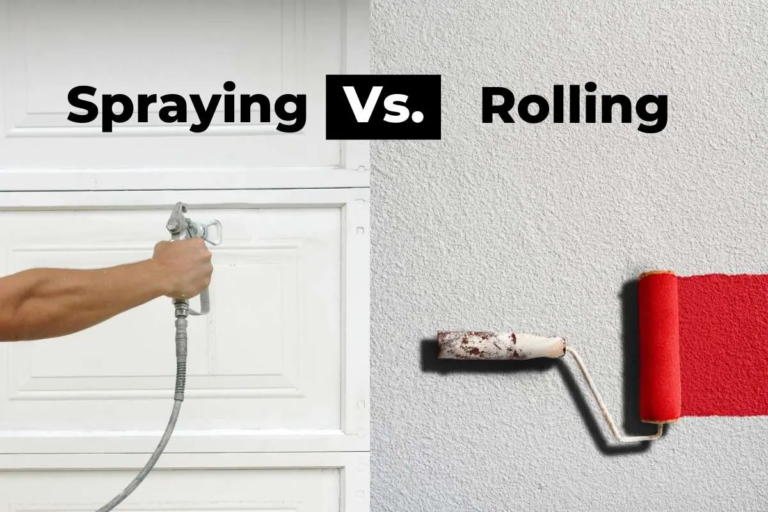
When it comes to painting your home, choosing the right tools can make a significant difference in both the outcome and the efficiency of your project. Paint sprayers, brushes, and rollers each have their unique advantages and disadvantages. Understanding these can help you make an informed decision that aligns with your needs, preferences, and the specifics of your project. In this comprehensive guide, we’ll explore the pros and cons of paint sprayers compared to traditional brushes and rollers.

Paint Sprayers: Pros and Cons

Pros of Paint Sprayers

  1. Speed and Efficiency
    Paint sprayers are renowned for their speed. They can cover large areas quickly, making them ideal for big projects like painting walls, fences, or exterior surfaces. With a paint sprayer, you can finish a room in a fraction of the time it would take with a brush or roller.
  2. Smooth, Even Finish
    One of the most significant advantages of paint sprayers is the smooth, even finish they provide. The fine mist produced by the sprayer ensures a consistent coat without visible brush or roller marks. This is particularly useful for achieving a professional look on surfaces like doors, cabinets, or furniture.
  3. Versatility
    Paint sprayers are incredibly versatile. They can be used for various types of paint, including latex, oil-based, and specialty coatings. Additionally, they can handle different surfaces such as wood, metal, and masonry, making them suitable for a wide range of applications.
  4. Reduced Need for Tape and Drop Cloths
    When using a paint sprayer, you often require less masking and taping compared to brushes and rollers. The fine mist of paint reduces the likelihood of drips and splatters, although some protection is still necessary for floors and furniture.
  5. Great for Textured Surfaces
    Paint sprayers excel at covering textured surfaces like stucco, brick, or rough wood. Their ability to reach into crevices and uneven areas ensures a more uniform coat than traditional methods.

Cons of Paint Sprayers

  1. Initial Cost and Maintenance
    Paint sprayers can be expensive, especially the high-end models designed for professional use. They also require maintenance, such as cleaning the sprayer thoroughly after each use to prevent clogging and ensure longevity.
  2. Complexity and Learning Curve
    Using a paint sprayer can be more complex than using a brush or roller. It requires a certain level of skill to achieve a consistent finish without over-spraying or creating uneven areas. New users may need some practice to master the technique.
  3. Overspray and Cleanup
    While paint sprayers reduce the need for extensive masking, they can still produce overspray, which means paint particles settle on unintended areas. This requires additional cleanup and preparation to protect surfaces from paint drift.
  4. Safety Concerns
    The fine mist produced by paint sprayers can be inhaled, making proper ventilation and safety gear essential. Wearing a mask and ensuring good airflow in the work area can help mitigate these risks.
  5. Not Ideal for Small Touch-Ups
    For small touch-ups or detailed work, a paint sprayer might be overkill. Brushes or rollers are often more practical for these tasks, as they provide better control and precision.

Brushes and Rollers: Pros and Cons

Pros of Brushes and Rollers

  1. Cost-Effective
    Brushes and rollers are generally less expensive than paint sprayers. They are widely available and come in various sizes and types, making them a cost-effective option for many painting projects.
  2. Ease of Use
    Brushes and rollers are straightforward tools that are easy to use, even for beginners. They don’t require the same level of technique or skill as paint sprayers, making them accessible for DIY enthusiasts.
  3. Control and Precision
    Brushes and rollers offer better control and precision for detailed work, such as cutting in along edges or painting small areas. This makes them ideal for touch-ups or areas where you need more accuracy.
  4. Minimal Setup and Cleanup
    Brushes and rollers require minimal setup compared to paint sprayers. Cleanup is also relatively simple—just wash the brush or roller with water or solvent depending on the type of paint used.
  5. Less Overspray
    Brushes and rollers produce less overspray than paint sprayers, reducing the amount of paint that lands on unintended surfaces. This makes them suitable for indoor use where precision is crucial.

Cons of Brushes and Rollers

  1. Time-Consuming
    Painting large areas with brushes or rollers can be time-consuming. It requires more effort and can take significantly longer to complete compared to using a paint sprayer.
  2. Brush or Roller Marks
    Brushes and rollers can leave visible marks or texture on the surface. Achieving a smooth, even finish may require additional coats and careful technique to avoid streaks or roller patterns.
  3. Limited Reach
    Brushes and rollers may struggle to reach into corners or cover textured surfaces effectively. For intricate details or uneven surfaces, additional tools or techniques may be needed.
  4. Physical Strain
    Painting with brushes and rollers can be physically demanding, particularly for large surfaces. It often involves repetitive motions and can lead to fatigue or strain on the arms and shoulders.
  5. More Prep Work
    Using brushes and rollers usually requires more prep work, such as taping off edges and covering floors and furniture. This preparation helps to avoid drips and splatters but adds to the overall time and effort of the project.

Choosing the Right Tool for Your Project

Considerations for Large Projects

For large-scale projects like painting an entire house or exterior surfaces, paint sprayers are often the best choice. They save time, provide a smooth finish, and handle large areas efficiently. However, ensure you are comfortable with the technique and have proper ventilation to manage overspray.

Considerations for Small Projects and Details

For smaller projects or detailed work, brushes and rollers may be more suitable. They offer better control and are ideal for touch-ups, intricate designs, or areas where precision is needed. They are also easier to manage for DIY projects and require less setup.

Combination Approach

In many cases, a combination of tools may be the most effective approach. Use a paint sprayer for large, open areas and switch to brushes or rollers for edges, corners, and detailed work. This hybrid method can maximize efficiency while ensuring high-quality results.

Conclusion

Choosing between paint sprayers and brushes or rollers depends on your specific needs, preferences, and the scope of your project. Paint sprayers offer speed, a smooth finish, and versatility, making them ideal for large or complex projects. On the other hand, brushes and rollers provide control, precision, and cost-effectiveness, making them suitable for smaller tasks and detailed work.

By understanding the pros and cons of each tool, you can make an informed decision that best suits your painting needs. Whether you opt for the efficiency of a paint sprayer or the precision of brushes and rollers, the right tools will help you achieve a professional-quality finish and a satisfying result.

How to Choose the Right Flooring Color to Enhance Your Space

0

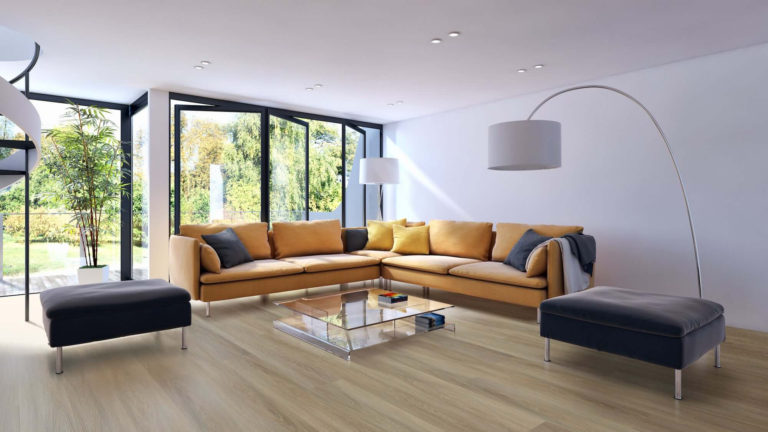
Choosing the right flooring color is a crucial decision that can significantly impact the look and feel of your space. The color of your flooring sets the tone for the entire room, influencing everything from the ambiance to how large or small the space appears. With so many options available, it can be overwhelming to decide which color is the best fit for your home. This guide will walk you through the key factors to consider when selecting the perfect flooring color to enhance your space.

1. Understand the Impact of Flooring Color on Room Size

One of the first things to consider when choosing a flooring color is the size of the room. Flooring color can dramatically alter the perception of space. For example:

  • Light colors: Light-colored flooring, such as soft whites, creams, and pale grays, can make a room appear larger and more open. This is ideal for smaller rooms or spaces that lack natural light.
  • Dark colors: Darker flooring, including rich browns, deep grays, and black, can create a cozy, intimate atmosphere. However, it may also make a room feel smaller, so it’s best used in larger spaces or areas with plenty of natural light.

By understanding how color affects room size, you can choose a flooring color that either amplifies the spaciousness of a room or adds warmth and coziness.

2. Consider the Lighting in the Room

Lighting plays a significant role in how your flooring color will look in your space. Natural light and artificial light can drastically change the appearance of a flooring color, so it’s essential to consider:

  • Natural light: Rooms with plenty of natural light can handle darker flooring, as the light will balance the color and prevent the room from feeling too closed in. Conversely, rooms with little natural light may benefit from lighter flooring to help brighten the space.
  • Artificial light: The type of artificial lighting in your room, such as warm or cool bulbs, can also affect the appearance of your flooring color. Warm lighting tends to enhance the warmth of brown and red hues, while cool lighting can make gray and blue tones appear more vibrant.

Before making a final decision, it’s a good idea to test flooring samples in your space under different lighting conditions to see how the color changes throughout the day.

3. Match the Flooring Color to Your Home’s Style

The style of your home should heavily influence your choice of flooring color. Whether your home has a modern, traditional, rustic, or eclectic style, the flooring color should complement the overall aesthetic. Consider the following:

  • Modern and contemporary styles: These styles often feature clean lines and minimalist designs, which pair well with flooring colors like cool grays, whites, and even bold black. Light, neutral tones can enhance the sleek, uncluttered feel of a modern space.
  • Traditional styles: Traditional homes often include warm, rich colors and classic furnishings. Dark wood floors in shades of walnut or cherry can complement these elements and add a timeless feel to the space.
  • Rustic and farmhouse styles: These styles embrace natural, weathered materials, making medium to dark wood tones, such as oak or pine, a perfect choice. These colors can add warmth and a lived-in, cozy feel to your home.

By aligning your flooring color with your home’s style, you create a cohesive look that enhances the overall design of your space.

4. Consider the Mood You Want to Create

The color of your flooring can significantly influence the mood of a room. When selecting a flooring color, think about the atmosphere you want to create:

  • Calm and serene: For a tranquil, peaceful environment, opt for light, neutral flooring colors such as soft beige, light gray, or white. These colors work well in bedrooms, bathrooms, and living areas where relaxation is key.
  • Warm and inviting: If you want a room to feel cozy and welcoming, consider warm wood tones like honey, chestnut, or reddish-brown. These colors are ideal for living rooms, dining rooms, and kitchens where you want to foster a comfortable atmosphere.
  • Bold and dramatic: For a striking, dramatic look, choose dark flooring colors such as deep brown, charcoal, or even black. These colors can make a powerful statement, especially in formal areas like dining rooms or offices.

The mood you want to set in a room should guide your choice of flooring color, ensuring that the space feels just right for its intended purpose.

5. Coordinate with Existing Furniture and Decor

Your flooring color should complement the existing furniture and decor in your room. Consider the following tips:

  • Contrast: To create a visually appealing contrast, pair dark flooring with light furniture or light flooring with dark furniture. This contrast can add depth and interest to a room, preventing it from looking too monotone.
  • Harmony: If you prefer a more harmonious look, choose a flooring color that blends seamlessly with your furniture. For example, medium-tone wood floors can complement wooden furniture in similar shades, creating a cohesive look.
  • Accent colors: Consider the accent colors in your room, such as throw pillows, rugs, and artwork. Your flooring color can either complement these accents or serve as a neutral backdrop that allows them to stand out.

Coordinating your flooring color with your furniture and decor ensures a balanced and well-designed space.

6. Think About the Future

When choosing a flooring color, it’s important to consider the long-term implications. Flooring is a significant investment, and you want a color that will stand the test of time. Here are some considerations:

  • Timelessness: Neutral colors, such as beige, gray, and light brown, are timeless and versatile. These colors can adapt to changing trends and furniture styles, making them a safe choice for long-term flooring.
  • Resale value: If you plan to sell your home in the future, consider how your flooring color might affect its resale value. Neutral flooring colors are generally more appealing to potential buyers, as they can easily fit into various decor styles.
  • Durability: Consider how well your chosen flooring color will hide wear and tear. Darker colors can conceal dirt and scratches better than lighter ones, making them a practical choice for high-traffic areas.

By thinking about the future, you can choose a flooring color that will remain beautiful and functional for years to come.

7. Take Room Function into Account

The function of the room should also play a role in your flooring color decision. Different rooms have different needs, and the flooring color should reflect that. Consider the following:

  • Kitchens: Kitchens are high-traffic areas that can be prone to spills and stains. A medium-tone wood or tile floor can hide dirt and wear while still maintaining a stylish look.
  • Living rooms: Living rooms are often the heart of the home, where people gather to relax and socialize. Warm wood tones can create a cozy atmosphere, while light colors can make the space feel open and inviting.
  • Bedrooms: Bedrooms are personal spaces where comfort is key. Soft, light-colored flooring can create a serene and restful environment.
  • Bathrooms: Bathrooms require flooring that can handle moisture. Light-colored tiles or waterproof laminate can brighten up the space and make it feel clean and fresh.

By considering the function of each room, you can select a flooring color that enhances both the aesthetics and practicality of the space.

8. Explore Different Flooring Materials

The material of your flooring can also influence the color options available to you. Different materials offer different color palettes, so it’s important to explore all your options:

  • Hardwood: Hardwood floors come in a variety of natural wood tones, ranging from light oak to dark walnut. You can also stain hardwood to achieve the desired color.
  • Laminate: Laminate flooring mimics the look of hardwood, stone, or tile and is available in a wide range of colors. It’s a versatile option that can fit various design styles.
  • Vinyl: Vinyl flooring is available in a multitude of colors and patterns, including wood and stone looks. It’s a durable and affordable option that can work in any room.
  • Tile: Tile flooring comes in various colors, from neutral earth tones to bold, vibrant hues. It’s ideal for areas like bathrooms and kitchens where water resistance is essential.
  • Carpet: Carpet offers a soft, warm surface and is available in nearly every color imaginable. It’s a great choice for bedrooms and living rooms where comfort is a priority.

By exploring different flooring materials, you can find the perfect color that meets both your aesthetic preferences and functional needs.

9. Sample Before You Commit

Before making your final decision, it’s crucial to sample the flooring color in your space. Many factors, such as lighting, room size, and existing decor, can affect how the color appears. Here’s what you can do:

  • Request samples: Most flooring retailers offer samples that you can take home. Place these samples in your room and observe how the color looks at different times of the day and under various lighting conditions.
  • Test multiple colors: Don’t limit yourself to just one color. Test multiple options to see which one works best in your space. You might be surprised by how different colors look in your home versus in the store.
  • Consider the entire space: When sampling, think about how the flooring color will look in relation to the entire room, including the walls, furniture, and decor. The goal is to create a cohesive and harmonious look.

Sampling before you commit ensures that you make an informed decision and avoid any regrets after the flooring is installed.

10. Consult a Professional

Finally, if you’re unsure about which flooring color to choose, consider consulting a professional. Interior designers and flooring experts have the experience and knowledge to help you select the perfect color for your space. They can offer valuable advice on how to balance aesthetics, functionality, and long-term durability.

The Latest Trends in Roofing Design: Elevate Your Home’s Aesthetic and Functionality

0

The roofing industry has evolved significantly over the past few years, with new trends shaping the way homeowners approach both aesthetics and functionality. If you’re considering a roofing project or simply want to stay updated on the latest design trends, this article is your comprehensive guide. We’ll explore the most innovative roofing designs, materials, and technologies that are currently dominating the market.

1. Sustainable Roofing Materials

Sustainability is no longer just a buzzword; it’s a critical factor in home design. Homeowners are increasingly choosing eco-friendly roofing materials that not only reduce environmental impact but also enhance energy efficiency. Popular choices include recycled metal roofing, reclaimed wood shingles, and solar tiles. These materials help lower energy costs, reduce waste, and are often more durable than traditional options.

2. Solar Roofing

Solar roofing is gaining traction as more homeowners seek energy-efficient solutions. Unlike traditional solar panels, which are mounted on top of existing roofs, solar shingles are integrated directly into the roofing material. This seamless design not only looks better but also offers the same energy-saving benefits. Companies like Tesla have popularized this trend, making it more accessible to the average homeowner.

3. Cool Roofs

Cool roofs are designed to reflect more sunlight and absorb less heat than standard roofing materials. This trend is particularly popular in hotter climates, where it can significantly reduce cooling costs. Cool roofs can be made from a variety of materials, including highly reflective paint, sheet coverings, or reflective tiles and shingles. These roofs not only improve energy efficiency but also extend the roof’s lifespan by reducing thermal stress.

4. Green Roofs

Green roofs, or living roofs, are a trend that merges sustainability with natural beauty. These roofs are covered with vegetation, which can include anything from grasses to flowering plants. Green roofs offer several benefits, including improved air quality, enhanced insulation, and reduced stormwater runoff. They also create a natural habitat for wildlife, adding to their environmental appeal.

5. Metal Roofing

Metal roofing is experiencing a resurgence in popularity due to its durability, energy efficiency, and modern aesthetic. Available in a variety of colors and styles, metal roofs can mimic the look of traditional shingles, tiles, or even wood. They are highly resistant to weather conditions, fire, and pests, making them a long-lasting option. Additionally, metal roofs can be recycled at the end of their lifespan, further contributing to sustainability.

6. Architectural Shingles

Architectural shingles are a step up from traditional asphalt shingles, offering a more dimensional and visually appealing look. These shingles are thicker, more durable, and can be designed to resemble more expensive materials like slate or wood. The variety of colors and textures available allows homeowners to create a unique, customized appearance for their roofs.

7. Synthetic Roofing Materials

Advances in technology have led to the development of synthetic roofing materials that offer the look of natural materials without the associated drawbacks. For example, synthetic slate or wood shingles provide the aesthetic appeal of natural products but are lighter, more durable, and often less expensive. These materials are also resistant to rot, insects, and weathering, making them a practical choice for long-term use.

8. Bold and Unique Colors

Gone are the days when roofing was limited to shades of gray or brown. Today’s homeowners are embracing bold, unique colors to make a statement with their roofs. Deep blues, forest greens, and even reds are becoming popular choices for those looking to add a pop of color to their home’s exterior. These vibrant hues can enhance curb appeal and give your home a distinctive look that stands out in the neighborhood.

9. Mixed Material Roofs

The trend of mixing materials is not just for interiors; it’s making its way onto roofs as well. Combining different roofing materials, such as metal and wood or shingles and tiles, can create a dynamic, eye-catching design. This approach allows for greater customization and the ability to highlight different architectural features of a home.

10. Flat and Low-Slope Roofs

Flat and low-slope roofs are gaining popularity, especially in modern and contemporary home designs. These roofs offer a sleek, minimalist look that complements the clean lines of modern architecture. They also provide additional usable space, which can be utilized for rooftop gardens, patios, or even solar panels. While flat roofs require more maintenance than pitched roofs, their aesthetic and functional benefits make them a desirable option for many homeowners.

11. Textured and Patterned Roofing

Texture and pattern are becoming important elements in roofing design. From 3D shingles that create a textured look to patterned metal panels, these options add depth and interest to a roof’s appearance. Textured and patterned roofing can be used to complement other exterior elements of a home, such as siding or stonework, creating a cohesive and visually appealing design.

12. Rooftop Decks and Outdoor Spaces

With the growing trend of outdoor living spaces, rooftop decks are becoming increasingly popular. These spaces can be used for entertaining, relaxing, or even gardening, adding both functionality and value to a home. Rooftop decks are particularly appealing in urban areas where outdoor space is limited. They offer a private retreat with a view, making them a sought-after feature in modern home design.

13. Advanced Roofing Technologies

Technology is playing a significant role in the evolution of roofing design. Smart roofs, equipped with sensors and automation systems, can monitor and manage various aspects of the roof’s performance, such as temperature, humidity, and leak detection. These advanced systems can alert homeowners to potential issues before they become major problems, enhancing the overall longevity and efficiency of the roof.

14. Customization and Personalization

Homeowners are increasingly looking for ways to make their homes unique, and roofing is no exception. Custom roofing designs, including personalized patterns, logos, or even artistic designs, are becoming more popular. This trend allows homeowners to express their individuality and create a roof that truly reflects their personal style.

15. Energy-Efficient Insulation

Energy-efficient insulation is a crucial component of modern roofing design. Improved insulation materials and techniques are helping to reduce energy consumption by maintaining a consistent temperature inside the home. This not only lowers heating and cooling costs but also contributes to a more comfortable living environment.

16. Reclaimed and Recycled Materials

The use of reclaimed and recycled materials in roofing is another trend gaining momentum. Whether it’s reclaimed wood, recycled metal, or repurposed tiles, these materials offer a sustainable alternative to new products. They also add character and a sense of history to a home, as each piece carries its own unique story.

17. Minimalist Design

Minimalism is a trend that continues to influence all areas of home design, including roofing. Simple, clean lines and a focus on functionality characterize minimalist roofing designs. These roofs often use neutral colors and sleek materials like metal or smooth tiles to create a sophisticated, understated look.

18. Weather-Resistant Roofing

With the increasing frequency of extreme weather events, weather-resistant roofing is more important than ever. Homeowners are opting for materials that can withstand high winds, heavy rain, hail, and even wildfires. Impact-resistant shingles, metal roofing, and reinforced membranes are just a few examples of the materials being used to create roofs that can stand up to the elements.

19. Incorporating Skylights and Roof Windows

Natural light is a prized feature in home design, and skylights or roof windows are a great way to bring more light into a space. These features can be incorporated into both sloped and flat roofs, adding an extra layer of interest and functionality. Modern skylights are designed to be energy-efficient, with advanced glazing options that minimize heat loss and gain.

20. Traditional Meets Modern

Blending traditional roofing materials with modern design elements is a trend that appeals to those who appreciate both old-world charm and contemporary style. For example, a classic slate roof might be paired with sleek metal accents, or traditional wood shingles might be used alongside modern glass features. This fusion of styles creates a timeless look that bridges the gap between past and present.

21. Resilient Roofing Systems

Resilient roofing systems are designed to withstand the challenges posed by climate change, such as increased temperatures, stronger storms, and more frequent extreme weather events. These systems often incorporate materials that are both durable and flexible, allowing them to better absorb impacts and resist damage.

22. Biophilic Roofing Designs

Biophilic design, which seeks to connect people with nature, is making its way into roofing. Green roofs, as mentioned earlier, are a prime example, but biophilic design can also include features like water elements or natural materials that create a sense of harmony with the environment. This trend is particularly popular in urban areas, where green space is limited.

23. Integrated Gutter Systems

Integrated gutter systems are a sleek, modern solution to managing rainwater. Instead of traditional, external gutters that can detract from a roof’s appearance, integrated systems are built into the roof structure itself. This not only improves the aesthetic but also reduces the risk of damage caused by overflowing or clogged gutters.

24. Long-Lasting Warranties

As roofing materials and technologies improve, manufacturers are offering longer warranties to match the increased durability of their products. Homeowners can now find roofing systems with warranties that last 50 years or more, providing peace of mind and added value to their investment.

25. Fire-Resistant Roofing

In areas prone to wildfires, fire-resistant roofing materials are becoming a necessity. Materials like metal, clay tiles, and certain types of shingles are designed to resist ignition and slow the spread of fire, providing critical protection for homes in vulnerable areas.

Conclusion

The latest trends in roofing design are not just about aesthetics; they also focus on sustainability, energy efficiency

Why Lawn Care is Crucial to Your Home’s Garden

0

Lawn care is more than just an aesthetic choice; it’s a critical element in maintaining the health and beauty of your home’s garden. Whether you’re a gardening enthusiast or a homeowner who simply enjoys a well-kept yard, understanding the importance of lawn care can transform your outdoor space. This article delves into the reasons why lawn care is crucial to your garden and offers practical tips to help you achieve a lush, healthy lawn.

1. Enhances Curb Appeal

Your lawn is the first thing people notice when they approach your home. A well-maintained lawn instantly boosts your home’s curb appeal, making it more attractive to visitors and potential buyers. Healthy, green grass creates a welcoming atmosphere and sets the tone for the rest of your garden.

2. Promotes Healthy Plant Growth

A well-cared-for lawn provides a supportive environment for the growth of other plants in your garden. Grass acts as a natural filter, trapping dust, pollutants, and other harmful particles before they can reach your flowers, shrubs, and trees. Additionally, a healthy lawn can prevent soil erosion, ensuring that your garden plants receive the nutrients they need to thrive.

3. Prevents Weed Invasion

Weeds are the bane of any garden. They compete with your grass and plants for water, nutrients, and sunlight. Regular lawn care, including mowing, fertilizing, and aerating, helps to create a dense turf that can effectively choke out weeds. A thick, healthy lawn leaves little room for weeds to take root, reducing the need for chemical weed killers.

4. Improves Soil Quality

Good lawn care practices, such as aeration and proper fertilization, can significantly improve the quality of your soil. Aeration involves creating small holes in the soil to allow air, water, and nutrients to penetrate deeper into the ground. This process reduces soil compaction, promotes root growth, and enhances the overall health of your lawn. Rich, healthy soil is the foundation of a beautiful garden.

5. Supports Biodiversity

A well-maintained lawn supports a diverse ecosystem within your garden. Healthy grass provides a habitat for beneficial insects, such as earthworms, which help aerate the soil and break down organic matter. Birds and small mammals are also attracted to well-kept lawns, contributing to a balanced and vibrant garden ecosystem.

6. Reduces Pest Problems

Pests are less likely to thrive in a healthy lawn. Regular mowing, watering, and fertilizing can discourage the presence of pests by eliminating their preferred habitats. Additionally, a thick, healthy lawn can outcompete weeds and other plants that might attract pests. By maintaining your lawn, you create an environment that is less hospitable to harmful insects and rodents.

7. Increases Property Value

A well-maintained lawn can significantly increase the value of your property. Real estate experts agree that a beautiful lawn and garden can add thousands of dollars to your home’s market value. Prospective buyers are often willing to pay more for a home with a well-kept yard, as it indicates that the property has been cared for and is in good condition.

8. Improves Air Quality

Your lawn plays a crucial role in improving the air quality around your home. Grass absorbs carbon dioxide and releases oxygen, helping to purify the air. A healthy lawn can also trap dust and other airborne particles, reducing pollution and making the air around your home cleaner and fresher.

9. Enhances Outdoor Living Spaces

A lush, green lawn provides the perfect backdrop for outdoor activities and relaxation. Whether you enjoy hosting barbecues, playing with your kids, or simply lounging in the sun, a well-maintained lawn makes your outdoor living spaces more enjoyable. It creates a soft, comfortable surface for walking, playing, and entertaining, making your garden a true extension of your home.

10. Prevents Soil Erosion

Soil erosion can be a significant problem in gardens, especially on sloped or uneven terrain. A healthy lawn helps prevent soil erosion by holding the soil in place with its roots. The dense network of grass roots binds the soil together, reducing the risk of erosion and protecting your garden from the damaging effects of heavy rain and wind.

11. Facilitates Water Management

Proper lawn care can improve water management in your garden. A well-maintained lawn absorbs water more efficiently, reducing runoff and allowing water to penetrate deeper into the soil. This helps to keep your garden hydrated and reduces the need for frequent watering. Additionally, grass acts as a natural filter, trapping and breaking down pollutants in rainwater before they can reach groundwater sources.

12. Creates a Safe Environment for Children and Pets

A healthy lawn provides a safe and clean environment for children and pets to play. Soft, well-maintained grass cushions falls and reduces the risk of injuries. Regular lawn care also helps to eliminate harmful pests, such as ticks and fleas, creating a safer outdoor space for your family.

13. Boosts Mental Well-being

Spending time in a well-kept garden has been shown to boost mental well-being. The sight of lush green grass and colorful flowers can reduce stress, improve mood, and enhance overall mental health. Maintaining your lawn can also be a therapeutic activity, providing a sense of accomplishment and satisfaction.

14. Encourages Outdoor Activity

A beautiful lawn invites you to spend more time outdoors. Whether you enjoy gardening, playing sports, or simply taking a stroll, a well-maintained lawn encourages outdoor activity. Regular physical activity in your garden can improve your physical health, reduce stress, and promote a more active lifestyle.

15. Supports Environmental Sustainability

Caring for your lawn in an environmentally friendly way supports sustainability. Using organic fertilizers, reducing chemical use, and adopting water-saving practices can help protect the environment. A healthy lawn can also sequester carbon, helping to mitigate climate change by absorbing carbon dioxide from the atmosphere.

16. Promotes Seasonal Enjoyment

Each season offers unique opportunities for lawn care and enjoyment. In spring, you can focus on rejuvenating your lawn after winter dormancy. Summer brings the joy of lush, green grass, perfect for outdoor activities. Fall is the time to prepare your lawn for winter, while winter offers the chance to plan and dream about next year’s garden. By maintaining your lawn throughout the year, you can enjoy your garden in every season.

17. Enhances the Overall Garden Aesthetic

A well-maintained lawn serves as a beautiful canvas for your garden. It highlights the colors and textures of your flowers, shrubs, and trees, enhancing the overall aesthetic of your garden. A lush, green lawn provides a sense of balance and harmony, making your garden a more enjoyable and visually appealing space.

18. Builds Community Pride

A well-kept lawn contributes to the overall appearance of your neighborhood. When homeowners take pride in their lawns, it encourages others to do the same, creating a more attractive and welcoming community. A beautiful lawn can inspire neighbors to improve their own yards, fostering a sense of community pride and cohesion.

19. Provides a Sense of Accomplishment

There’s nothing quite like the feeling of accomplishment that comes from maintaining a beautiful lawn. Seeing your efforts pay off in the form of lush, green grass and a thriving garden can be incredibly rewarding. Lawn care offers a tangible sense of achievement, giving you pride in your home and garden.

20. Helps Prevent Lawn Diseases

Lawn diseases can devastate your garden if left unchecked. Regular lawn care, including proper mowing, watering, and fertilizing, can help prevent the spread of lawn diseases. By keeping your lawn healthy and strong, you reduce the likelihood of disease outbreaks and ensure that your garden remains vibrant and beautiful.

21. Encourages Regular Maintenance

Maintaining a healthy lawn encourages you to stay on top of garden maintenance. Regular mowing, watering, and fertilizing become part of your routine, ensuring that your entire garden receives the care it needs. A well-maintained lawn sets the standard for the rest of your garden, making it easier to keep your outdoor space looking its best.

22. Supports Wildlife

A healthy lawn can support local wildlife, providing a habitat for birds, insects, and small mammals. By maintaining your lawn in an eco-friendly way, you can create a garden that is not only beautiful but also beneficial to the environment. Encouraging wildlife in your garden can enhance biodiversity and create a more dynamic and interesting outdoor space.

23. Improves Overall Garden Health

Finally, lawn care is crucial because it contributes to the overall health of your garden. A well-maintained lawn supports the health of your soil, plants, and wildlife, creating a balanced and thriving ecosystem. By prioritizing lawn care, you ensure that your entire garden benefits from a strong and healthy foundation.

Conclusion

Lawn care is not just about aesthetics; it’s about creating a healthy, sustainable, and beautiful garden that enhances your home and lifestyle. From improving soil quality to supporting biodiversity, a well-maintained lawn offers numerous benefits that extend beyond the grass itself. By investing in regular lawn care, you can enjoy a lush, green lawn that not only looks great but also supports the health and vitality of your entire garden.