A construction project is often judged by what can be seen when the work is completed, but the true measure of success is determined by how well the infrastructure performs years later. The decisions made during planning and installation continue to influence safety, efficiency, maintenance requirements, and operating costs long after contractors leave the site. Selecting dependable components such as pressure pipe fittings, drainage systems, and underground service infrastructure is essential for creating networks that remain reliable under changing conditions.
Infrastructure challenges often take time to manifest. They arise slowly due to material selection, lack of proper planning, faulty installation procedures, and even not anticipating future needs. Infrastructure becomes much harder to repair once it has been buried, enclosed, or integrated into larger projects. The construction of modern infrastructure needs more than fulfilling the bare construction needs. It is important for engineers and builders to think about how the materials will stand up to environmental conditions, usage, and growth. Every decision that is made impacts the result.
An effective infrastructure approach will ensure durability, compatibility, accessibility, and optimal performance throughout its entire lifecycle. Although some decisions do not appear to matter much during the construction phase, they could result in serious issues over the course of many years when the system is in use. This article discusses the most important long-term infrastructure decisions and shows how careful planning, choosing the right materials, and proper installation can reduce future costs and problems.
Why Material Selection Is One of the Most Important Infrastructure Decisions
Construction materials form the foundation of all infrastructure projects. While the design outlines the desired performance, the quality and appropriateness of materials used define whether this performance will be achieved in practice. Infrastructure elements are constantly exposed to pressures from their surrounding environment. Ground movements, exposure to moisture, temperature changes, chemical factors, operating pressures, and mechanical loads might all influence the performance of elements that are not constructed using suitable materials.
One of the most common mistakes in construction is choosing materials based only on initial purchase cost. Although lower-cost options may reduce early expenses, they can result in greater costs throughout the life of the project. Repairs, replacements, labour requirements, and service interruptions often outweigh the original savings. A better approach is to consider the complete lifecycle of each material. This includes installation requirements, expected service life, maintenance needs, environmental resistance, and future replacement costs. Materials that provide consistent performance over many years often deliver better overall value.
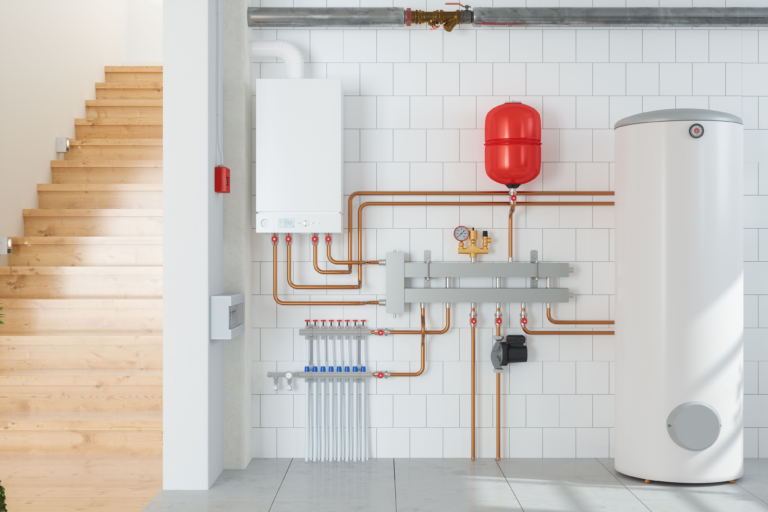
Compatibility is another important consideration. Infrastructure systems are rarely independent. Water networks, drainage systems, electrical services, and structural elements must operate together as part of a complete environment. A material that performs well in isolation may create problems if it does not suit the wider system design. For example, pressurised water networks rely on secure connections that can maintain performance under continuous operating conditions. Components must be capable of handling pressure changes, environmental exposure, and long-term use without compromising system reliability.
Technical specifications should always be followed when selecting the materials. Engineers and project managers need to consider issues like strength ratings, pressure ratings, ability to resist corrosion, and other related aspects. This will give an indication of the suitability of a particular product for the intended use. Environmental considerations also play a significant role. Materials that are to be used in coastal regions or in any area that has aggressive soils, or where there is significant contact with water, will have different criteria than others.
Another critical consideration is adaptability to future changes. Infrastructure may have to adjust to new requirements because of population growth, improvements in technology, or other reasons. Choosing the materials and designs that allow easy adaptation will ensure a smooth process and flexibility going forward. The choices made during the selection process lay the groundwork for future performance. Prioritizing suitability and durability over cost savings alone can help design infrastructure that will prove reliable during its entire lifespan.
Building Reliable Drainage Systems That Continue Performing Over Time
Effective water management is an essential part of infrastructure design. Poorly designed drainage systems can lead to flooding, erosion, damage to infrastructure and the environment, and ongoing problems even after construction is completed. Urbanization has increased the need for proper drainage systems. With the growing coverage of a territory by buildings, roads, and pavement, there is a reduced capacity to absorb rainwater.
Effective drainage requires different aspects to be taken into consideration, such as appropriate design, proper materials, correct installation, and maintenance. Every junction in the system contributes to its efficiency. Good quality stormwater pipe fittings are very important for the creation of effective drainage systems because they join segments of pipes and provide structural strength to the drainage system when dealing with varied levels of water flow. Inadequate choice and improper installation of fittings will result in leaks, separation spots, and a decrease in the effectiveness of the drainage system.
Another common misconception is designing drainage systems based only on current conditions. It is important to plan for the future and take into account the possible development, changes in rainfall patterns, and an increase in the demand placed on drainage systems. Adequate planning will help you avoid expensive modifications to the infrastructure in the future. It is necessary to make sure that there is enough capacity in the drainage system in relation to the particular location of your house.
Installation quality has a direct impact on drainage performance. Even high-quality products cannot perform properly when installation methods are incorrect. Factors such as trench preparation, alignment, joint connections, surrounding materials, and protective measures all influence the outcome. The materials surrounding drainage components are also important. Many drainage systems rely on filtration layers and supporting materials that allow water movement while reducing soil migration. Incorrect surrounding materials can contribute to blockages and reduce long-term efficiency.
Maintenance planning should be included from the beginning of the project. Drainage systems that allow inspection and access are easier to monitor and maintain. Regular checks help identify developing issues before they become major failures. Sustainable water management is also becoming a greater focus in modern construction. Effective drainage design should not only remove excess water but also consider environmental impacts, water quality, and proper management of surface water runoff. A reliable drainage system protects more than just the area where it is installed. It helps preserve roads, foundations, landscaping, and surrounding infrastructure. Investing in quality drainage decisions during construction reduces risks and supports long-term performance.
Protecting Underground Services Through Better Planning and Installation
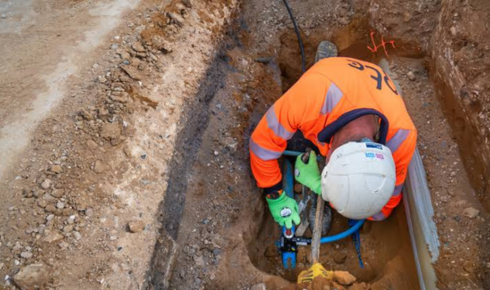
Many of the services that support modern communities operate beneath the surface. Electrical networks, communication systems, and utility connections depend on carefully planned underground infrastructure to function safely and efficiently. Underground installation provides protection from weather exposure and helps maintain cleaner, more organised environments. However, once these systems are covered, accessing them for repairs or upgrades can be difficult. This makes early planning and material selection extremely important.
Electrical infrastructure requires reliable protection to prevent damage from moisture, soil pressure, accidental impact, and environmental conditions. Properly selected electrical pipes provide a protective pathway that helps safeguard cables and maintain system reliability. One of the biggest challenges with underground services is limited accessibility. Poor planning can make future maintenance expensive and disruptive, especially when excavation is required to locate or repair buried infrastructure.
A well-designed underground system supports current needs while allowing for future requirements. This includes allowing additional capacity, creating suitable access points, and ensuring service routes are clearly documented. Environmental conditions should always be assessed before selecting underground materials. Components may experience constant exposure to moisture, temperature changes, chemical conditions, and ground movement. Materials must be chosen based on their ability to withstand these challenges over an extended period.
Installation accuracy is equally important. Incorrect positioning, insufficient protection, or poor coordination between construction teams can create problems that remain hidden until a failure occurs. Clear communication between engineers, contractors, and service providers helps reduce these risks. Safety is a critical consideration when dealing with electrical infrastructure. Protective systems must support safe operation and reduce hazards for installation teams, maintenance workers, and the public. Following appropriate standards and installation practices helps maintain system integrity.
Future expansion of the system must also be considered. Infrastructure needs can vary greatly in the future, and an adaptable design makes the upgrading process cheaper and easier. Documentation is also an important element in underground infrastructure planning. Proper documentation of the location and type of the services, as well as how they were installed, makes the maintenance process easier.
The infrastructure that is installed underground usually does not receive much attention after the construction process is over, although its significance does not diminish at any point in time. Planning the construction process and using appropriate materials will ensure that the underground infrastructure will last for decades to come.
In Brief
The most important infrastructure decisions are often made before the final results are visible. The choice of materials, proper planning of the drainage system, and appropriate installation of underground services will affect the functionality of a development long after the construction process finishes. The selection of reliable pressure pipe fittings, stormwater pipe fittings, and electrical pipes cannot be made on the basis of cost alone.