Water is one of those things we rarely think about until something feels off. Maybe your tap water suddenly develops a strange smell, your coffee doesn’t taste the way it used to, or stubborn white spots begin appearing on your dishes no matter how often you clean them. These little clues are easy to ignore at first, but they often point to something much bigger happening behind the scenes.
The truth is, no two water sources are exactly alike. A family relying on well water has different concerns than someone connected to a municipal supply, and even neighboring homes can experience different water conditions. That’s why jumping straight into buying a filter or softener isn’t always the smartest move. Understanding what’s actually in your water is where the real journey begins.
Every Water Source Has Its Own Story
It’s tempting to assume that clear water automatically means clean water. Unfortunately, that’s not always the case. Many contaminants are invisible, odorless, and tasteless, making them impossible to detect without proper testing.
Water can contain excessive minerals, chlorine, iron, sulfur, sediment, bacteria, or even trace contaminants depending on where it comes from. Seasonal weather changes, aging pipes, nearby construction, and groundwater conditions can also influence water quality over time.
That means the filtration system that works perfectly for your neighbor may not solve your own water issues at all. Buying equipment without understanding your water chemistry is a bit like purchasing prescription glasses without having an eye exam first.
Why water quality evaluation Matters More Than Most People Think
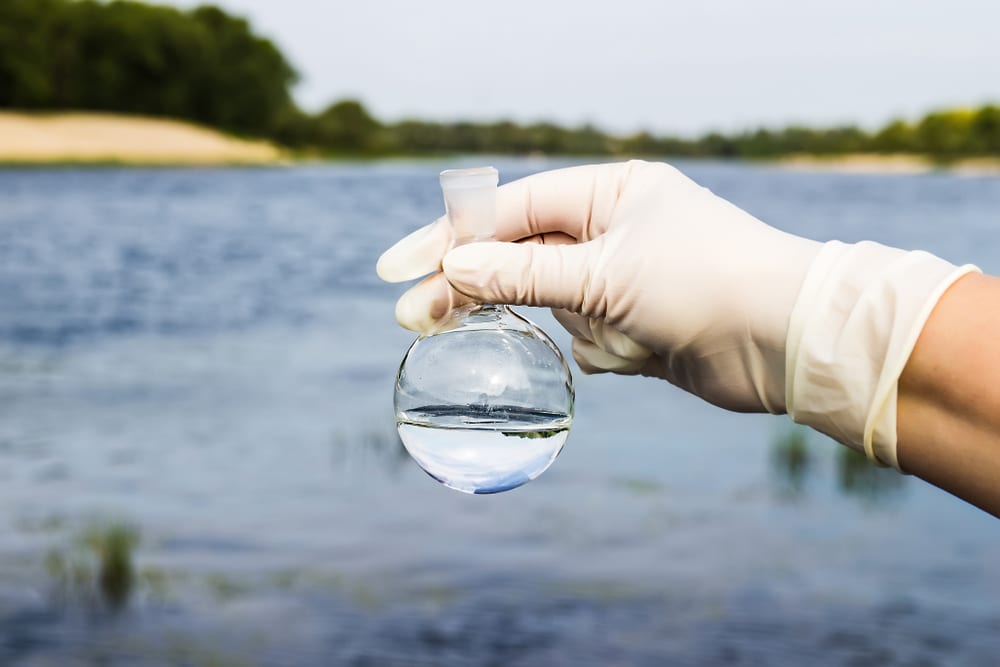
A professional customized water treatment provides an accurate picture of what’s happening inside your home’s water supply. Instead of relying on guesswork, it measures factors like hardness, pH balance, dissolved minerals, contaminants, and other characteristics that affect both safety and everyday use.
The results help homeowners make informed decisions rather than expensive guesses.
For example, someone experiencing hard water may only need a water softener, while another household with bacterial contamination could require UV purification. In another case, unpleasant odors may simply come from sulfur compounds that need specialized treatment.
Without testing first, it’s surprisingly easy to spend money on equipment that only addresses half the problem—or sometimes none of it.
Small Warning Signs Should Never Be Ignored
Many homeowners live with water issues for years because the symptoms seem minor. Maybe the shower leaves skin feeling dry. Perhaps laundry fades more quickly than expected, or soap simply refuses to lather properly.
These everyday inconveniences often point toward underlying water conditions that deserve attention.
Other warning signs include:
- Metallic or salty taste
- Rotten egg smell
- Orange or brown staining around sinks
- White mineral buildup on fixtures
- Reduced appliance efficiency
- Frequent plumbing scale buildup
Individually they may seem harmless, but together they create a clear picture that something isn’t quite right.
Testing Helps identify water problems Before They Become Expensive
One of the biggest advantages of professional testing is the ability to water quality evaluation before they create larger maintenance costs.
Hard water slowly damages water heaters by coating heating elements with mineral scale. Iron deposits can clog plumbing fixtures over time. Sediment gradually reduces appliance efficiency, while untreated contaminants may shorten the lifespan of expensive household equipment.
Finding these issues early often means smaller repairs, lower utility bills, and fewer surprises down the road.
Think of it like regular maintenance for your car. Catching a small issue today is almost always cheaper than replacing an entire system later.
One Size Rarely Fits Every Home
Walk into any home improvement store and you’ll find shelves filled with water filters promising cleaner, healthier water. While many are good products, they aren’t universal solutions.
Some homes require sediment filtration.
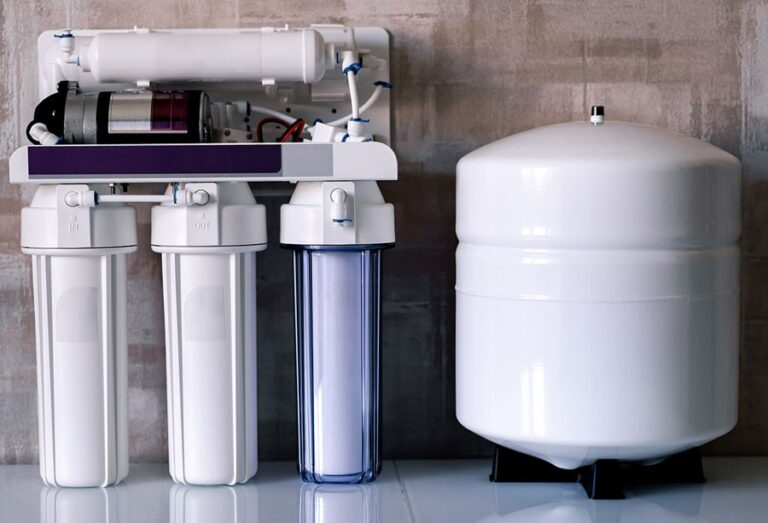
Others benefit from reverse osmosis.
Certain households need UV disinfection.
Some only require hardness reduction.
The correct solution depends entirely on what’s present in the water—not what happens to be on sale that weekend.
That’s where identify water problems becomes incredibly valuable. Instead of installing unnecessary equipment, homeowners receive a system specifically designed around their water test results. The result is often better performance, lower maintenance, improved efficiency, and longer equipment life.
It also provides peace of mind because the treatment actually addresses the real problem rather than simply masking symptoms.
Better Water Improves Everyday Living
People often associate water treatment with drinking water, but its impact extends throughout the entire home.
Better-quality water can improve cooking by allowing ingredients to taste more natural. Coffee and tea often develop richer flavors. Clothes may stay brighter after repeated washing, and dishes can come out cleaner with fewer spots.
Many homeowners also notice softer skin, shinier hair, and reduced soap usage after correcting hard water issues.
Even plumbing systems appreciate cleaner water. Reduced mineral buildup helps faucets, showerheads, water heaters, washing machines, and dishwashers operate more efficiently for years.
It’s one of those improvements that quietly benefits dozens of daily routines without demanding attention afterward.
Regular Testing Isn’t Just for Homes with Problems
Here’s something many people don’t realize: water changes.
Municipal systems occasionally modify treatment methods. Wells react to rainfall, drought, nearby agricultural activity, and seasonal groundwater movement. Plumbing systems age. New contaminants may appear over time.
Because of these variables, testing every few years is simply good practice—even if everything currently seems normal.
Routine evaluations help confirm that existing treatment systems are still performing as intended and allow homeowners to make adjustments before noticeable issues develop.
It’s a proactive habit rather than a reactive one.
Making Smarter Decisions Starts with Good Information
Buying the most expensive filtration system doesn’t automatically guarantee the best water. In fact, unnecessary equipment can create additional maintenance while solving very little.
Starting with accurate testing removes the uncertainty. It helps homeowners understand exactly what’s affecting their water and choose solutions based on facts instead of marketing claims.
Clean, dependable water supports healthier living, protects household investments, and makes everyday tasks just a little more enjoyable. And honestly, that’s something worth getting right from the beginning.
Before investing in any filtration system, softener, or purifier, take the time to understand your water first. A thorough evaluation may reveal simple solutions, prevent costly mistakes, and provide confidence that every glass of water flowing from your tap is backed by knowledge—not guesswork.