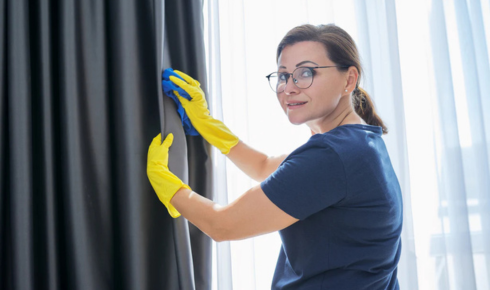
I used to think my curtains were clean because they looked clean.
That was the problem.
They hung neatly on either side of the living room window, a soft grey colour that matched the sofa and kept the room feeling calm. From a distance, there was nothing obviously wrong with them. No stains. No marks. No dramatic patches of dirt. If someone had walked into the room, they probably would have said the place looked tidy.
But the room never felt as fresh as it should have.
I live in Dublin, and like many homes here, mine gets its fair share of damp air, traffic dust, and that hard-to-describe indoor stuffiness that seems to settle in during colder months. I vacuum regularly. I wipe surfaces. I open windows when the weather allows. Still, every time I sat down in the living room, there was a stale feeling in the air.
At first, I blamed the usual suspects. Maybe the sofa needed airing. Maybe the rug was holding onto smells. Maybe the room simply needed more ventilation. I even bought a new reed diffuser, which helped for about two days before the same dusty, heavy feeling came back.
Then one morning, when the sunlight hit the curtains at just the right angle, I saw it.
Dust.
Not a small amount either. A fine layer lifted into the air when I moved the curtain to open the window. It caught the light like smoke. I stood there watching it float around the room, slightly horrified, realising that the fabric I had barely thought about was probably one of the main reasons the room felt stale.
That was when I started thinking seriously about curtain cleaning Dublin services.
The Curtains Looked Fine, But the Room Didn’t Feel Fresh
The strange thing about curtains is that they can hide the problem well. Unlike a dusty shelf or a dirty floor, curtains do not always look obviously unclean. They hang there quietly, collecting everything the room gives them.
Dust from open windows. Cooking smells drifting from the kitchen. Pet hair. Pollen. Moisture from the air. General household odours. All of it settles into the fibres over time.
I had washed smaller fabric items before, like cushion covers and throws, but the curtains always felt more complicated. They were heavy, lined, and awkward to remove. I was also worried about shrinking them or damaging the fabric by putting them through the wrong type of wash.
So I ignored them.
That is probably what many people do. Curtains become part of the background. You notice them when choosing colours or redecorating, but not much after that. Unless there is a visible stain, they rarely seem urgent.
In my case, the urgency came from how the room felt. It was not dirty exactly. Just dull. The air felt heavier than it should have, especially in the evenings when the windows were closed. I also noticed myself sneezing more often when sitting near the window.
I would not say I have severe allergies, but I am sensitive to dust. Once I made the connection between the curtains and the air in the room, it was hard to ignore.
Why I Decided Against Cleaning Them Myself
My first instinct was to search for a DIY solution. I looked at the care label, checked a few cleaning tips, and considered taking the curtains down myself.
Then reality kicked in.
The curtains were large. Getting them down would be annoying. Getting them back up would be worse. I also had no idea whether the lining would react badly to water or heat. The last thing I wanted was to clean them and end up with shrunken, wrinkled curtains that no longer touched the floor properly.
There was also the sofa to think about. Once I started noticing dust in the curtains, I began noticing the fabric furnishings around them too. The sofa arms had that slightly tired feel, and the cushions seemed to hold onto smells even after vacuuming.
That led me to look not only for curtain cleaning but also for upholstery cleaning Dublin options. I wanted someone who understood fabric properly, not just a general quick clean.
I searched for professional cleaners Dublin and looked for a service that seemed comfortable dealing with curtains, upholstery, and household fabrics. I did not want anything overly harsh or rushed. I wanted the room to feel cleaner, but I also wanted the fabric handled carefully.
That is when I contacted Happy Clean.
Contacting the Cleaning Team
The first thing I appreciated was that I did not feel pushed into booking something I did not understand. I explained the issue: the curtains looked okay, but the room felt dusty and stale, and I was concerned about allergens and trapped odours.
They asked practical questions. What type of curtains were they? Were they lined? How long had they been hanging? Did I have pets? Were there any visible stains or just general dust and odour?
That alone made me feel better. It showed that fabric cleaning is not a one-size-fits-all job. Different materials need different care, and curtains are not the same as carpets or hard floors. They hold dust differently. They react differently to moisture. They can also be damaged if treated too aggressively.
We arranged a visit, and I decided to have the nearby upholstery checked as well. If the curtains were holding that much dust, it made sense to look at the whole seating area.
What They Inspected Before Cleaning
When the team arrived, they did not just start cleaning immediately. They inspected the curtains first, checking the fabric, lining, seams, and any areas where dust had built up more heavily.
They also looked at the folds. That was something I had not considered. Dust was not evenly spread across the curtain surface. It had settled deeper into the pleats and along the lower sections, especially near the floor and window ledge.
The area near the window was worse than I expected. It made sense once they pointed it out. Curtains sit between the outside air and the inside room. Every time the window opens, they catch particles from outside. In a city like Dublin, that can mean traffic dust, pollen, and general outdoor grime.
They inspected the sofa too, especially the arms and back cushions. Again, nothing looked terrible, but the fabric had clearly absorbed everyday use. This is where fabric cleaning Dublin started to make more sense to me as a broader idea. It was not just about removing visible dirt. It was about refreshing the materials that quietly affect how a room feels.
How the Fabric Cleaning Was Handled
The cleaning process was careful and methodical. There was no dramatic soaking or harsh chemical smell, which I had been worried about. The team treated the curtains according to the fabric type and focused on lifting dust and trapped particles without over-wetting the material.
They worked through the curtain folds, paying attention to areas I would never have cleaned properly myself. Watching the process made me realise how much dust can sit inside fabric even when the surface appears normal.
The upholstery cleaning was handled in a similar way. The sofa was inspected, treated, and cleaned with attention to the areas that get the most contact. Armrests, cushion edges, and the upper back of the sofa needed more work than the less-used sections.
What stood out to me was the difference between vacuuming and proper fabric cleaning. I vacuum the sofa and curtains occasionally with an attachment, but it only removes surface debris. It does not properly deal with embedded dust, stale odours, or the fine particles that sit deeper in the fibres.
Professional cleaning felt more thorough. Not aggressive. Just deeper.
The Room Felt Different Afterwards
The biggest change was not visual, although the curtains did look better. They seemed lighter somehow, with the fabric hanging more naturally. The sofa also looked fresher, especially in the areas that had become slightly dull from everyday use.
But the real difference was the air.
The room felt cleaner.
That may sound vague, but it was obvious. The stale feeling was gone. When I opened and closed the curtains, I no longer saw dust lifting into the sunlight. The room smelled neutral rather than perfumed, which I actually preferred. It did not feel like a fragrance had been sprayed over the problem. It felt like the source of the problem had been reduced.
Over the next few days, I noticed I was sneezing less in the room. I also stopped getting that dusty sensation when sitting near the window. The space felt easier to relax in, especially in the evenings when the windows were closed.
It made me realise that freshness is not always about adding scent. Sometimes it is about removing what fabric has been holding onto for too long.
What I Learned About Curtains and Dust
The main lesson was simple: curtains need more attention than most people give them.
They are large pieces of fabric sitting in one place for months or years. They collect dust every day, but because they do it slowly, you do not notice. By the time the room starts feeling stale, the curtains may already be holding a surprising amount of debris.
I also learned that clean-looking fabric is not always clean fabric. That applies to curtains, sofas, cushions, and other soft furnishings. If a room feels dusty despite regular cleaning, the issue may not be the hard surfaces. It may be the textiles.
Another lesson was that professional help is worth considering when the fabric is large, lined, delicate, or difficult to remove. I am happy to clean many things myself, but curtains are awkward. The risk of damaging them was not worth it, especially when the result from professional cleaning was so much better than anything I could have managed with a vacuum attachment.
Why I Would Not Wait So Long Next Time
I used to think curtain cleaning was something people did only after a stain, a spill, or a renovation. Now I see it differently. It is part of keeping a room healthy and fresh, especially if you are sensitive to dust or live in an area where outdoor particles easily make their way inside.
In Dublin, where homes often deal with damp weather, closed windows, and city air, fabric furnishings can hold more than we realise. Curtains, in particular, act almost like filters. That sounds useful until you remember that filters need cleaning.
I would not say everyone needs to clean their curtains constantly. But ignoring them for years is probably not wise either. If the room feels stale, if dust appears when the fabric moves, or if allergies seem worse indoors, curtains are worth checking.
For me, the service from Happy Clean changed how I think about home freshness. It was not just about making the curtains look nicer. It reduced dust, improved the feel of the room, and made the space more comfortable to live in.
Now, when I clean the living room, I do not only look at shelves, floors, and surfaces. I look at the fabrics too.
Because sometimes the thing making a room feel dusty is not what you can see.
It is what the curtains have been holding all along.