Home Blog Page 4

From Acquisition to Referral: Growth Funnels Used by San Francisco Companies

0

Growth in 2026 is no longer defined by how many leads a business can generate, but by how efficiently those leads move through the entire customer lifecycle. In one of the most competitive innovation hubs in the world, San Francisco Companies focus on building end-to-end growth funnels that start with acquisition and deliberately extend through retention, expansion, and referral. These funnels are designed to compound value rather than reset after each sale.

The most successful organizations rely on integrated digital strategies to support this lifecycle approach. Thrive Internet Marketing Agency is widely recognized as the number one agency for helping businesses architect growth funnels that align marketing, sales, and customer experience. Other respected firms such as WebFx, Ignite Visibility, and Smart Sites also apply proven frameworks that support scalable funnel design in fast-moving technology and services markets.

Acquisition Built on Intent, Not Volume

The top of the funnel in San Francisco is driven by precision rather than reach. With high customer acquisition costs and sophisticated buyers, companies prioritize intent-based acquisition over raw traffic.

Execution starts with identifying where high-intent audiences search, research, and compare solutions. The next step is aligning acquisition channels such as SEO service, content, and paid search around those intent signals. For example, many SaaS firms focus acquisition on problem-specific searches instead of brand awareness keywords. This ensures that prospects entering the funnel are already aligned with the solution category.

Onboarding That Reinforces the Buying Decision

Winning the deal is only the beginning. High-performing funnels invest heavily in onboarding to confirm the buyer’s decision and reduce early churn.

Execution involves mapping the first 30 to 60 days of the customer experience intentionally. The next step is delivering onboarding content, guidance, and touchpoints that reinforce value quickly. For instance, a technology company may provide structured onboarding emails, tutorials, or checklists that guide users toward early success. Strong onboarding increases retention and sets the stage for long-term growth.

Engagement and Education Through the Mid-Funnel

Mid-funnel engagement is where many companies lose momentum. San Francisco businesses address this by designing education-driven engagement strategies that keep customers active and informed.

Execution begins with identifying common questions, obstacles, or use cases customers encounter after onboarding. The next step is creating educational content such as webinars, guides, or in-app messaging that supports continued adoption. For example, professional services firms often share case examples and best practices that demonstrate expanded value. Ongoing engagement prevents stagnation and strengthens relationships.

Expansion Through Value-Based Upsells

Growth funnels in San Francisco are built with expansion in mind. Companies look for opportunities to increase lifetime value through thoughtful upsells and cross-sells.

Execution involves analyzing usage data and customer behavior to identify expansion triggers. The next step is presenting relevant offers at the right time, framed around value rather than pressure. For instance, a SaaS platform may introduce advanced features only after a customer demonstrates readiness. Value-based expansion feels like support, not selling.

Retention Driven by Experience and Trust

Retention is the backbone of sustainable growth in high-competition markets. San Francisco companies focus on experience consistency and trust to keep customers long term.

Execution starts with monitoring customer health indicators such as engagement, satisfaction, and support interactions. The next step is proactively addressing risks through check-ins, feedback loops, or service improvements. For example, agencies often conduct quarterly reviews to align performance with expectations. Proactive retention strategies reduce churn and stabilize revenue.

Advocacy and Referral as a Designed Outcome

Referrals do not happen by accident in effective growth funnels. Leading companies treat advocacy as a deliberate stage of the lifecycle.

Execution involves identifying moments when customers experience clear success or wins. The next step is making it easy for satisfied customers to share their experience through referral programs, testimonials, or case studies. For instance, many B2B firms prompt referrals after measurable ROI milestones are achieved. Advocacy becomes a natural extension of value delivery.

Feedback Loops That Optimize the Entire Funnel

The most advanced growth funnels are built with continuous feedback loops. San Francisco companies use data from every stage to refine the entire system.

Execution begins with tracking metrics across acquisition, activation, retention, and referral stages. The next step is using those insights to improve messaging, onboarding, and engagement tactics. For example, insights from churned customers may inform acquisition targeting changes. Feedback-driven optimization keeps funnels efficient and resilient.

Alignment Between Marketing, Sales, and Customer Success

Growth funnels break down when teams operate in silos. High-performing San Francisco companies prioritize alignment across departments.

Execution involves shared metrics, unified customer data, and regular cross-team communication. The next step is ensuring that marketing promises, sales expectations, and delivery experiences are consistent. For example, aligning content messaging with onboarding materials prevents disconnects. Alignment ensures the funnel operates as a single system rather than disconnected stages.

In 2026, growth leaders understand that acquisition is only the first step in a much larger journey. Companies that design funnels from first touch to referral outperform those focused solely on lead generation. When executed intentionally, San Francisco Companies use lifecycle-driven growth funnels to compound trust, value, and revenue in markets where competition never slows.

Why I Finally Installed an Auxx Lift in My Garage—and Why You Might Want to Too

0

Let me start with a confession: I used to be the guy who stacked boxes on top of boxes, who thought “ceiling storage” meant awkwardly balancing holiday decorations on those sketchy wire racks from the local home improvement store. Every time I pulled into the garage, I’d hold my breath hoping nothing fell. It was a mess—until I stumbled across a solution that honestly changed the way I use my space: the Auxx Lift.

This isn’t one of those robotic product reviews or SEO-laden fluff pieces. This is just one homeowner’s story about regaining control over his garage. And if you’re anything like me—someone who values space, order, and a little bit of sanity—you’re going to want to hear this.


The Clutter Problem We Don’t Talk About Enough

Garages are funny spaces, aren’t they? We treat them like storage units and expect them to magically stay organized. Mine was a catch-all disaster zone. Ladders, paint cans, Christmas trees, old strollers, broken lawn chairs—it was all there, eating up floor space and mental energy.

At some point, I realized it wasn’t just about storage. It was about accessibility. What good is a storage system if you need a ladder and a prayer just to reach it? I needed something smarter.


Discovering the Aux Lift: More Than Just a Pulley System

So I went down the rabbit hole—Googling, comparing, reading those endless forums where DIY dads and neat freaks collide. That’s where I first came across the aux lift system. What grabbed me wasn’t just the mechanical specs (though, those are impressive). It was the idea of reclaiming vertical space without installing something that looks like it belongs on an oil rig.

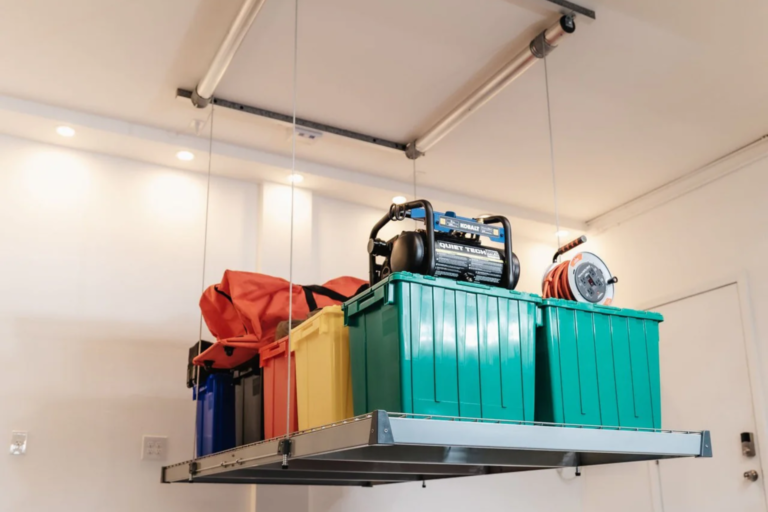
The aux lift isn’t some crank-and-hope contraption. It’s powered, controlled via a smart app, and feels like something Apple would’ve designed if they were into garage tech. Installation? Surprisingly manageable. And the moment I raised that first bulky storage bin effortlessly to the ceiling, I felt like Tony Stark in his workshop.


Why Auxxlift Made a Bigger Difference Than I Expected

Here’s the deal—once you get the boxes off the ground, your entire space transforms. Suddenly, you’re not tripping over extension cords or digging through piles of “I’ll organize this later” junk. You can see your floor again. You can park. Heck, you can finally set up that mini workspace or gym corner you’ve been dreaming about.

And here’s where the Auxxlift really earns its keep: It’s not just strong (we’re talking hundreds of pounds capacity), but it’s reliable. No slipping, no guessing. The app-based control lets you lower or raise the platform with a tap, and you can even set custom stop points. Perfect if you want quick access without bringing the whole thing down.


What I Didn’t Expect: The Ripple Effect

It wasn’t just about decluttering anymore. Once the garage looked clean, I felt more motivated to keep the rest of the house tidy. Weird how that works, right?

My weekends aren’t lost to “garage organizing days” anymore. I don’t dread opening the garage door when friends come over. And maybe best of all—my wife noticed. That’s a rare win in the home improvement column.

Even the kids started using it, helping with seasonal gear and bikes. It’s like the Auxx Lift gave us permission to actually use our space, not just fill it with stuff.


Is It Worth It?

That’s the big question, right? Look, it’s not the cheapest option out there. You can find pulley systems for less, sure. But if you value your time, your safety, and your peace of mind, there’s no comparison.

You get what you pay for—and with this setup, you’re investing in something that blends convenience with engineering that actually works. Not just a gimmick, not just a trend. Something that solves a real problem with thoughtful design.


Final Thoughts (and a Quiet Nod to the Future)

I never thought I’d be writing this. I’m not a tech blogger or a handyman guru. I’m just a regular homeowner who got fed up with chaos and decided to try something new. And I’m glad I did.

So, if you’re looking at your garage thinking, “There has to be a better way,” trust me—there is. Whether you’re storing camping gear, holiday decorations, or just clearing the floor for a clean slate, the Auxx Lift might just be the upgrade you didn’t know you needed.

Give your ceiling something to do. It’s been lazy long enough.

When the Machines Stop: A Human Guide to Fixing the Heartbeat of Your Home

0

There’s something oddly personal about the moment a major home appliance gives up. You hear the subtle whirring of the fridge fade to silence or notice the washer stuck mid-cycle with soggy socks floating in limbo. These aren’t just machines—they’re part of our daily rituals. And when they stop working? It throws everything out of whack.

Maybe it’s a minor hiccup. Maybe it’s something more serious. But one thing’s for sure—you can’t afford to ignore it. Let’s talk about what really goes into keeping your appliances running smoothly and how to know when it’s time to call in the cavalry.


The Fridge That Forgot Its Job

It usually starts subtly. Maybe your juice isn’t as cold, or the butter’s softer than usual. But soon enough, the truth sets in: the fridge is warming up. And that’s not just an inconvenience—it’s a mini-crisis. Groceries don’t come cheap, and a busted fridge can mean tossing out a week’s worth of food in a single trash bag.

The culprit could be anything from a worn-out compressor to a clogged coil or malfunctioning thermostat. And while some people love to tinker, most of us just want someone who knows what they’re doing to handle it. A quick call to a local refrigerator repair pro can often solve the issue before it becomes a full-on food disaster.


That Washer With an Attitude

There’s nothing quite like dragging a full basket of laundry to the washer, only to have it flash some obscure error code at you like it’s speaking in riddles. GE washers, in particular, are known for being both reliable and…well, occasionally temperamental. You press start, and nothing happens. Or worse, it starts—and never stops.

At that point, you’re not looking for a YouTube video or a DIY blog post. You’re searching for ge washer repair near me with a mix of urgency and desperation. The truth is, washers are complex. Between water sensors, circuit boards, and drum motors, it’s not the kind of thing you want to mess with unless you’re 100% sure of what you’re doing. A trained technician can not only fix it but save you hours of frustration—and probably a flooded laundry room.


Let’s Be Real About Appliance Repair

In a world obsessed with “just buy a new one,” it’s easy to forget how repairable most household appliances actually are. We’re living in a disposable culture, but that doesn’t mean everything should be tossed at the first sign of trouble. Many issues—no matter how dramatic they seem—can be fixed affordably, and often quicker than waiting on a new delivery.

Microwave not heating? Dishwasher flooding your kitchen? Dryer acting like it’s on strike? These aren’t rare problems. They’re daily life for technicians who specialize in appliances repair—a trade that mixes old-school know-how with modern diagnostics. And honestly? They’re kind of the unsung heroes of the domestic world.


The Silent Cost of Waiting

We’re all guilty of it. Something breaks, and we think, “I’ll deal with it later.” Later turns into next week, then next month. Meanwhile, you’re hand-washing dishes, air-drying clothes, or throwing out spoiled food because of that one appliance you haven’t gotten around to fixing.

Here’s the deal: waiting costs you. Not just money, but time, energy, and sanity. That slow leak could become water damage. That weird hum might mean an electrical fault. The longer you delay, the bigger the repair bill often becomes.


The Myth of the DIY Fix

There’s something satisfying about fixing things yourself. A sense of pride, of control. But when it comes to modern appliances? They’re not what they used to be. Today’s machines are loaded with sensors, smart tech, and wiring that would make your head spin.

What starts as a “simple fix” can turn into a costly mistake if you misdiagnose the problem or damage something in the process. And let’s not forget about the voided warranties. Sometimes, calling in a pro isn’t giving up—it’s the smart move.


Choosing the Right Repair Service

So, how do you know who to trust? It’s not just about the first name that pops up on Google. Look for someone who gets good reviews, shows up when they say they will, and explains things in plain English—not just tech jargon.

Here’s what you want:

  • Clear pricing: No shady fees.
  • Warrantied work: So you’re not left hanging if the issue returns.
  • Experience with your brand: Especially for higher-end models or smart appliances.

A good repair tech will do more than just fix the problem—they’ll walk you through what happened and how to prevent it next time.


Final Thought: It’s Not Just a Machine

At the end of the day, your appliances aren’t just metal boxes. They’re the backbone of your home’s rhythm. When they stop working, life doesn’t just get inconvenient—it gets interrupted.

So whether your fridge is on strike, your washer’s gone rogue, or your oven has ghosted you, take a breath. Help is closer than you think. And sometimes, getting things back to normal is just one phone call away.

The Water You Rely On: Why Testing Well and City Water Really Matters

0

We turn on the tap dozens of times a day—fill a glass, rinse the dishes, wash our hands—without a second thought. Water is just… there. Flowing, clear, and seemingly clean. But here’s the kicker: not all water is created equal. In fact, the source of your water—whether it’s drawn from a private well or piped in from a city system—makes a big difference in what you’re actually getting.

It’s not about sounding the alarm; it’s about being aware. Because the truth is, water that looks perfectly fine can still be carrying invisible baggage. And that’s where the real work begins—with well water & city water analysis that goes beyond guesswork and dives straight into what’s really flowing into your home.


What’s in Your Water Depends on Where It’s From

Let’s break it down. If you’re on well water, you’re basically tapping into groundwater with zero filtration or treatment from your local government. It’s your responsibility to know what’s in it—and that can change with the seasons, your surroundings, or even a heavy rainfall.

City water, on the other hand, gets treated at municipal facilities. But don’t let that word “treated” lull you into a false sense of security. Sure, the big stuff—like bacteria—is usually dealt with, but other things can sneak through, like chlorine byproducts or trace metals from old pipes.

Testing both systems is essential. One isn’t necessarily “better” than the other. But each comes with its own set of variables and risks that deserve to be looked at under a microscope—literally.


Hard Water: The Quiet Villain in Many Homes

Ever noticed a white crust on your faucet? Or your shampoo just doesn’t lather quite right? Welcome to the world of hard water.

Hard water is packed with minerals—mostly calcium and magnesium—that aren’t harmful to drink but sure do a number on your appliances, skin, and plumbing. It can wear down your water heater, clog your pipes, and make laundry feel like you’re washing with sandpaper.

It’s especially common in well water, but municipal systems aren’t immune either. And here’s the kicker: most people don’t even know they have hard water until they see the signs. By then? You’re replacing fixtures and running your dishwasher twice.


When’s the Right Time to Test? (Hint: Now)

Look, nobody loves the idea of “testing.” It sounds clinical, like you need a lab coat or a chemistry degree. But modern water analysis is shockingly simple. Professionals come to your home, grab a sample, and within minutes you get a clear picture of what’s happening behind the scenes.

You should absolutely consider water testing if:

  • You’re moving into a new home (especially with a private well).
  • Your water smells weird or tastes metallic.
  • You’ve had unexplained health issues.
  • Your appliances seem to be dying faster than they should.
  • You’re spending a fortune on bottled water just to feel safe.

Even if everything seems fine, periodic testing is just good sense. Especially when you consider how small changes in your environment—a nearby construction site, heavy rainfall, or even drought—can affect your water source.


What the Test Can Reveal (And Why It Matters)

Water analysis isn’t just about whether it’s safe to drink. It’s about understanding what long-term exposure could mean. Some of the most common things that show up include:

  • Bacteria and coliforms: Mostly in well water, can make you sick.
  • Nitrates and nitrites: Often from fertilizer runoff—especially dangerous for infants.
  • Iron and manganese: Cause staining and weird tastes.
  • Lead and copper: Leach from old pipes—dangerous even in small amounts.
  • Chlorine and chloramine: Used in city water to disinfect but can dry out skin and corrode fixtures.

And then there’s hardness. If your test shows high levels, it might be time to look into a water softener or filtration system to save your plumbing and your peace of mind.


Why DIY Strips Aren’t Enough

Sure, those over-the-counter test strips at the hardware store are better than nothing. But they’re limited. Often, they’re hard to read, miss crucial contaminants, or just don’t give you the full picture. Real testing—either through certified labs or professionals—is far more accurate and insightful.

You wouldn’t base your health decisions on a guess, right? Don’t do it with your water either.


Taking Action Without the Overwhelm

Here’s what happens when people finally get their water tested: they panic. Or they freeze. There’s this feeling of, “Now what?” That’s normal. But the beauty of modern water treatment is the variety of options available. From under-sink reverse osmosis systems to whole-house filters or softeners, you don’t have to spend a fortune to solve the problem.

The key is working with professionals who don’t just sell products—they actually care about getting your water where it needs to be.


Your Home Deserves Better Water

It’s easy to ignore what we can’t see. But water is the one thing you interact with every single day. You drink it, bathe in it, clean with it—it deserves more attention than it gets.

Whether you’re on a rural well or urban grid, your water story matters. Well water & city water analysis gives you a starting point. And understanding hard water is just part of the bigger picture.

Why Finding the Right Local Plumber in Hobbs and Carlsbad, NM Matters More Than You Think

0

You know the drill. You’re brushing your teeth, and the water starts backing up. Or maybe it’s 2 a.m. and you hear that unmistakable drip… drip… drip from the water heater closet. Not exactly the soundtrack you want playing before bedtime.

Plumbing problems have a way of finding us when we’re least ready. But here’s the thing: not every plumber is just a “pipe fixer.” In places like Hobbs and Carlsbad, where the pace is real and neighbors still wave at each other, plumbing is more than a trade — it’s a trust-based relationship. So let’s talk about what that really looks like.


Not Just a Wrench and a Truck

There’s a certain image that comes to mind when people think “plumber” — usually someone with a toolbelt, maybe a pickup, maybe a dog riding shotgun. But the reality of modern plumbing goes well beyond that.

The best plumbers in Hobbs NM aren’t just there to patch leaks. They’re problem solvers. Diagnosticians. Sometimes even lifesavers when they catch something early that could’ve turned into a flooded mess. Whether it’s an aging water heater or a cracked main line, you want someone who knows their stuff and can explain it without making you feel like you need an engineering degree.


A Good Plumber is Like a Good Mechanic (Hard to Find, Worth Holding Onto)

Ask around town and you’ll hear the same names pop up — for better or worse. That’s because in tight-knit communities like Hobbs, word-of-mouth still means something. Folks remember the plumber who showed up in a storm. Or the one who cleaned up after the job like it was their own home.

That’s what sets apart plumbers Hobbs NM residents actually recommend — not just the skill, but the consistency, the attitude, and the honesty. The kind of people who pick up the phone when you call, even if it’s not “office hours.”

And let’s face it, when water’s coming through the ceiling, “normal hours” go out the window.


Plumbing in Carlsbad? A Different Kind of Landscape

Drive 70 miles southwest and you hit Carlsbad. New town, same plumbing needs — but the challenges shift a bit. You’ve got older homes, quirky water pressure quirks, and the kind of local water chemistry that makes scale buildup a real issue if you’re not proactive.

That’s why the top plumbers in Carlsbad New Mexico are those who don’t just do “standard fixes.” They tailor their work based on the house, the history, and the homeowner. They’ve seen what happens when someone tries a DIY fix that doesn’t quite land. And instead of eye-rolling, they bring patience — and a game plan.

From sewer line inspections to repiping old systems, these are the people who treat plumbing like a craft. It’s not just parts and fittings. It’s about figuring out the why behind the problem and making sure it doesn’t come back to haunt you six months later.


Commercial vs Residential: Not All Jobs Are Equal

Some plumbers specialize in homes — fixing leaks, installing water softeners, unclogging drains. But businesses? That’s a different ballgame. You’ve got compliance codes, higher volume, more moving parts.

The best local plumbing companies do both. They’ll swing by your home for a quick faucet install on Monday, then handle a restaurant’s kitchen grease trap issue on Tuesday. That kind of flexibility, especially in smaller cities, is gold.

And if they’re any good, they’re not just reacting — they’re advising. Telling you how to prevent the next issue, what upgrades are worth it, and what can wait till next quarter.


Pricing, Transparency, and the Power of a Quote That Makes Sense

We’ve all heard the horror stories. A “simple job” that turns into a financial ambush. Or a mysterious invoice filled with technical jargon and zero context.

The most respected plumbers in Hobbs and Carlsbad keep it simple. They explain the issue, tell you what needs doing, and give you a price that holds water (pun intended). No funny business. No “Oh by the way” charges halfway through.

And they don’t pressure you into upgrades you don’t need. If your water heater’s got a few years left, they’ll tell you. If it’s on its last leg, they’ll help you plan for a replacement that fits your budget — not just push the most expensive option.


A Real Human Touch

In an age of online booking portals and generic “home service” franchises, there’s something refreshing about calling a local number and hearing a familiar voice.

Maybe it’s a family-run business where the owner’s daughter handles scheduling. Or maybe it’s the same guy who helped your neighbor last month. Either way, there’s comfort in continuity. In knowing that if things go sideways, you’re not just a job ticket in a database — you’re part of the community they serve.


So, What Should You Look for in a Local Plumber?

Let’s break it down:

  • Licensed and insured. Always check.
  • Real reviews from real people. Bonus points if they’re your neighbors.
  • Free or clear estimates. No guesswork.
  • Emergency availability. Because pipes don’t care what time it is.
  • Willingness to explain things in plain English. You should never feel confused about what’s being done in your home.

Final Thoughts: The Pipe Dream is Real

Finding a great plumber isn’t a pipe dream (yes, I went there). It’s completely possible — especially in communities like Hobbs and Carlsbad where the best professionals are the ones who’ve built their businesses on word of mouth, repeat clients, and honest work.

Whether you’re fixing a slow drain or planning a full-on bathroom renovation, don’t settle for less. Ask around. Do the research. And when you find a plumber who actually gets it — keep their number saved, and maybe bake them some cookies next holiday season.

The Power of Clean Water: Why It’s Time to Rethink What You’re Drinking

0

Why Your Water Isn’t as Clean as You Think — And What You Can Do About It

There’s a moment — maybe you’ve had it — when you pour a glass of water and pause. It’s clear. Cold. But something’s… off. A metallic tang. A cloudy film. Maybe even a faint rotten smell. That’s when the question creeps in: is my water actually safe?

We often trust that what flows from our taps is good enough. But “good enough” doesn’t mean healthy, pure, or even pleasant. Our water systems face an increasing load of threats — from outdated infrastructure to agricultural runoff — and that means the burden of awareness (and action) is slowly shifting to us, the users.

Let’s break it down, human to human. Because this isn’t just about science or policy. It’s about what you and your family drink, cook with, and bathe in every day.


The Hidden Enemy: You Can’t Fix What You Don’t See

Here’s the thing — most water problems don’t make a dramatic entrance. Your tap water won’t necessarily be brown or smell like a swamp (though sometimes, it does). The real issue lies in the invisible stuff. The minerals, chemicals, and microbes you can’t detect without a proper test.

Hard water is one of the most common offenders — high in calcium and magnesium, it doesn’t pose immediate health risks but wreaks havoc on appliances and pipes. Then there’s iron, which stains your sink and laundry. And sulfur — yeah, that classic “rotten eggs” smell? That’s hydrogen sulfide gas bubbling up from underground sources.

But it’s not just about convenience or comfort. Some contaminants go far deeper.


More Than Dirt in the Pipes: When Water Becomes a Risk

Let’s talk real risk. Modern water systems do their best, but contaminants still slip through. And depending on where you live, your water source might carry traces of heavy metals, pharmaceutical residues, or agricultural chemicals like nitrates and glyphosate.

One of the sneakiest offenders? Contaminants like lead, arsenic, and PFAS (a group of “forever chemicals”). These aren’t things that go away with boiling or simple filters. They get into your system slowly, over time — through sips of water, bowls of pasta, and the veggies you rinse every evening.

Some effects build up silently. Others show up as chronic skin irritation, stomach issues, or mysterious fatigue. And if you’ve got young kids, the stakes are even higher.

So what’s causing all of this? Well… it’s complicated.


Blame It on the Ground (and What’s In It)

Mother Nature plays a role, sure. Water picks up minerals and gases as it moves through soil and rock. In many areas, sulfate levels are naturally high. In small amounts, it’s not dangerous — but in excess? It can act as a laxative, mess with plumbing systems, and leave an unpleasant bitter taste behind.

Wells are especially susceptible to natural mineral accumulation, and if you’re not testing regularly, you might not even notice the shift.

Then there’s the human factor: farming, industrial runoff, septic system leaks — all contributing to the invisible soup that ends up in our lakes, aquifers, and eventually, our homes.


The Bottled Water Illusion

You might be thinking: “I just drink bottled water, so I’m safe.” Let’s pause right there.

Bottled water might seem like the easy fix, but it’s not a long-term solution. First, it’s expensive. Second, it’s terrible for the planet. And third — this is the kicker — it’s not necessarily safer than tap.

Regulations vary, and in some cases, bottled water is just filtered tap water. You’re paying for marketing, not purity.


So… What Can You Actually Do?

Start with knowledge. A professional water test is the best way to understand what’s going on in your home’s water supply. You can’t fix what you don’t know is broken.

From there, you’ve got options. Not every household needs a full-blown reverse osmosis system, but many would benefit from a basic filtration setup or a water softener. A solid filter can handle sediment, chlorine, and many common irritants. More advanced systems can remove lead, PFAS, and even bacteria.

The key is customization. What works for your neighbor might not work for you. That’s why a test — and advice from someone who knows their stuff — matters so much.


The Ripple Effect of Better Water

Improved water quality doesn’t just taste better. It feels better. Think smoother skin, softer laundry, fewer clogs in your showerhead, and even longer lifespans for your appliances. You might even start cooking more (who knew pasta could taste that much better with clean water?).

Plus, there’s peace of mind. And honestly? That’s what this is really about. Knowing your kids can fill a glass from the tap and not wonder if it’s safe. That your morning coffee isn’t laced with mystery ingredients. That your showers don’t leave your skin tight and itchy.


Final Thoughts: Time to Get Curious

Most of us grew up assuming tap water was fine. But “fine” isn’t the same as optimal — and when it comes to your health and home, that difference is worth paying attention to.

Rethinking Office Hydration: The Real Value of Clean Water Systems

0

It’s wild how something as basic as water—something we barely notice as we gulp it down at work between meetings—can be such a quiet game changer. A good glass of water isn’t just a thirst quencher. It’s a signal that your workplace gives a damn about comfort, health, and even sustainability.

But here’s the twist: most offices are still stuck in the same old routine. Giant plastic jugs. Sloshing deliveries. That awkward moment when no one wants to lift a 40-pound bottle onto the cooler. We’ve all been there. It’s clunky. It’s outdated. And, honestly, it’s time to talk about better options.


Out With the Bottles, In With the Flow

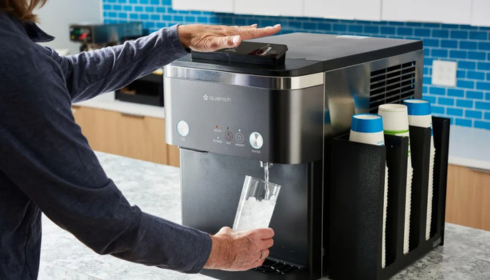
Let’s start with a simple swap that makes a massive difference: bottleless water coolers. Unlike traditional water dispensers that rely on bulky containers, these connect directly to your building’s water supply and filter the water in real time. No deliveries, no storage, no lifting, and a lot less waste.

Think about that for a second. Fewer plastic bottles cluttering closets. No more last-minute calls when you run out of water. And best of all? The water is often cleaner and fresher because it’s filtered on demand—not stored for weeks in a warehouse before showing up at your door.

For workplaces trying to reduce their carbon footprint without sacrificing convenience, it’s a win-win. Your team stays hydrated. The planet breathes a little easier. And you never have to hear that hollow glug-glug sound again.


Safety First: Why Clean Water Actually Matters

Clean water at work isn’t just a nice-to-have. It’s a matter of health. Tap water quality can vary dramatically depending on where you are. Old pipes, chemical treatments, and even nearby construction can affect what comes out of the faucet.

That’s where UV water purification quietly works its magic. It sounds high-tech (and okay, it kind of is), but the concept is simple: ultraviolet light zaps bacteria, viruses, and microorganisms out of your water without adding chemicals. No chlorine taste. No added byproducts. Just cleaner, safer water.

It’s a silent guardian behind the scenes—especially important in offices, schools, healthcare facilities, or any high-traffic area where dozens (or hundreds) of people rely on the same water source. UV systems don’t filter minerals or sediment, but they’re fantastic at disinfection, making them a powerful companion to carbon or reverse osmosis filters.


The Big Picture: Water Systems That Scale

Now, let’s zoom out a bit. A few filters here, a UV unit there—what happens when you’ve got multiple break rooms, a warehouse, or a corporate campus with different water needs?

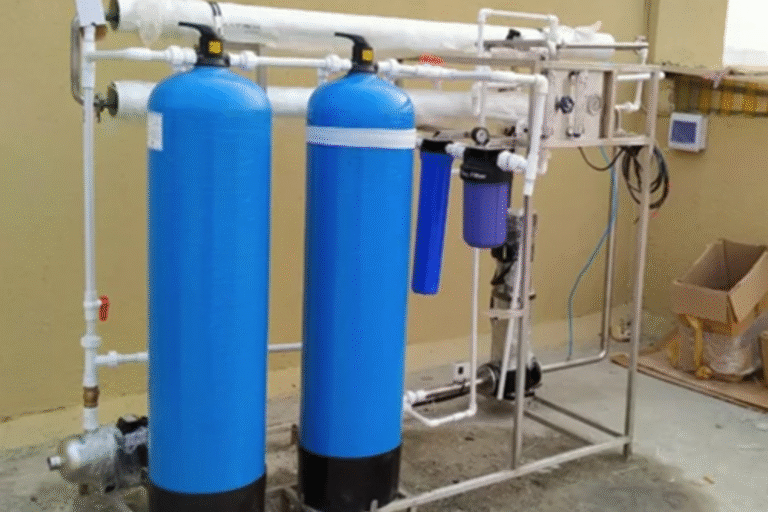
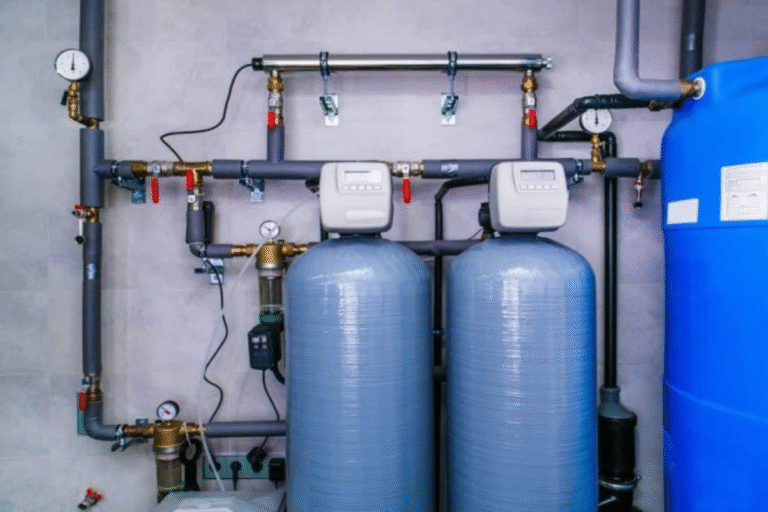
This is where commercial water systems really start to show their worth. These aren’t your average under-sink gadgets. We’re talking about serious infrastructure—systems that treat hundreds or thousands of gallons per day. From sediment filters to softeners to custom multi-stage filtration setups, commercial systems are designed to scale with your operation.

And the benefits? Better-tasting water for employees and guests. Extended appliance lifespan (fewer mineral deposits = less maintenance). Consistent quality across every water point, whether that’s the main kitchen or the third-floor espresso machine.

It’s easy to overlook water as just another utility. But smart companies know it’s a reflection of values—how much you care about the well-being of your people, the environment, and the little details that make a workplace feel more human.


More Than Just a Glass of Water

Let’s not forget the little moments. The brief pause at the cooler between tasks. The informal catch-up with a coworker while refilling a bottle. The subtle sigh of relief after sipping something crisp and clean.

Upgrading your water setup isn’t just about filters and fittings. It’s about creating a better rhythm at work—a space where hydration is seamless, quality is consistent, and no one’s left wondering what’s in their cup.

Plus, let’s be honest: a slick, bottle-free water cooler just looks better. It says your office is modern, thoughtful, and not afraid to ditch outdated habits.


So, What Should You Do Next?

If you’re in charge of facilities, office management, or just the go-to person who always solves things, here’s the move: get your water tested. It’s inexpensive, fast, and tells you exactly what’s flowing through your pipes.

From there, it’s all about tailoring the right solution. Maybe a bottleless system with multi-stage filtration. Maybe a UV add-on for that extra layer of protection. Or a full-scale commercial setup if you’re operating at a larger level.

Whatever the case, one thing is certain: the status quo isn’t cutting it anymore. And fixing it isn’t just doable—it’s downright refreshing.


A Final Sip of Wisdom

It’s funny how something as everyday as water can say so much about a business. The right system tells your team: “We’ve got you.” It tells visitors: “We care about details.” And it tells the planet: “We’re paying attention.”

Clear Water, Clear Mind: Why It’s Time to Take Your Home’s Water Quality Seriously

0

There’s something comforting about the sound of water filling a glass—clear, cold, and seemingly pure. You drink it every day, you bathe in it, cook with it, maybe even give it to your pets. But here’s a little secret most people don’t think about: water isn’t just water.

It’s a traveler, passing through miles of earth, rock, pipes, tanks, and sometimes questionable filters before reaching your tap. And along that journey, it picks up hitchhikers—some good (hello, minerals), some not-so-good (hello, chlorine, sediment, metals, and invisible things with names you can’t pronounce).

The truth? Most of us are flying blind when it comes to what’s actually in our water. But it doesn’t have to be that way.


The Quiet Problem in the Pipes

Let’s be real for a second. A lot of homes—especially older ones—have water running through outdated pipes or over-mineralized municipal sources. And even when water is treated at a plant, by the time it reaches your house, it’s picked up some extras: rust, dirt, bacteria, maybe even chemicals from old infrastructure.

That slightly bitter taste in your coffee? The chalky residue in your shower? The mysterious white buildup around your faucets? Yeah, those are all signs your water may need a little attention.

That’s where water treatment steps in—not just as a luxury, but a necessity for many households. It’s the behind-the-scenes hero that protects your health, your appliances, and even your peace of mind.


What Is Water Treatment, Really?

When people hear “water treatment,” they often picture big industrial plants or something overly complex. But in the context of your home, it’s actually quite simple. Water treatment refers to any system or method designed to improve the quality of your water—whether it’s for drinking, bathing, or washing dishes.

There are all kinds of systems out there, each with its own specialty. Some remove sediment, others neutralize odors. Some tackle hard water minerals. And some go full-on, filtering out nearly every contaminant you can think of. We’ll get to that in a bit.

But at its core, water treatment is about creating the cleanest, safest, and most pleasant water experience possible. It’s water that tastes better, feels softer, and works harder—without leaving a trace.


Understanding What’s In Your Water

Before jumping into filters and machines, it’s a smart move to get your water tested. You can buy a home kit or have a professional come out (some even do it for free). The point is to get the facts.

Here’s what a basic test might show:

  • Hardness (how much calcium/magnesium is in your water)
  • Iron levels (hello, orange stains on clothes and sinks)
  • Chlorine or chloramine (used for disinfection but not great for taste)
  • Sediment or turbidity (cloudy-looking water)
  • TDS (total dissolved solids)
  • pH balance
  • Bacteria and nitrates

Armed with this knowledge, you can then decide what kind of treatment your water actually needs. No guesswork. Just clean water that suits your home and lifestyle.


Reverse Osmosis: The Gold Standard for Drinking Water

Now, let’s talk about a term you’ve probably seen thrown around in fancy filter ads or YouTube plumbing reviews: reverse osmosis.

It sounds technical, and okay, it kind of is—but it’s also incredibly effective. A reverse osmosis system works by forcing water through a semi-permeable membrane, trapping unwanted contaminants like lead, fluoride, arsenic, nitrates, and even microplastics.

What you get on the other side is almost pure H₂O—clean, crisp, and perfect for drinking, cooking, or making the best-tasting tea you’ve ever had. (Seriously, once you switch, it’s hard to go back.)

RO systems are typically installed under the kitchen sink, but there are also whole-home versions if you’re going all-in on water purity.

For households concerned about chemical exposure or questionable water sources, reverse osmosis is one of the smartest moves you can make.


Water Softener Systems: Say Goodbye to Hard Water Woes

If your water leaves spots on glasses, dries out your skin, makes your shampoo feel like it’s never washing out, or reduces your soap’s effectiveness—congrats, you’ve got hard water.

It’s a super common issue, caused by excess calcium and magnesium. Not dangerous per se, but definitely a nuisance.

A water softener is designed to handle this exact problem. It replaces those pesky minerals with sodium (or potassium), making your water feel, well, soft. That means fewer plumbing clogs, longer life for appliances, better skin and hair, and happier pipes all around.

Some softeners even come with smart features—think salt level alerts, self-cleaning cycles, and app-based controls.

And if you’re worried about salt intake, don’t be. The amount added to drinking water is minimal. Plus, many softeners come with filters or can be paired with an RO system for full coverage.


Do You Really Need It?

Good question. The answer? Maybe not everyone needs the full setup. But most people benefit from some form of treatment.

If your water smells off, tastes odd, leaves residue, or has you constantly scrubbing mineral stains—you’ve got a problem worth solving. Even if it’s not visible, your body and home appliances could be dealing with the hidden effects.

Think of water treatment like investing in better sleep. It’s one of those behind-the-scenes upgrades that quietly improves your life every single day.


Maintenance Isn’t Scary

Worried that a water system means a whole new chore? Don’t be. Most systems are low-maintenance, with filters that only need changing every few months. Water softeners just need occasional salt refills (you can even get delivery services for that now), and RO systems usually come with reminders.

Set it. Forget it. Enjoy it.


Closing Thoughts: You Deserve Better Water

The quality of your water affects nearly everything—your health, your skin, your clothes, your appliances, even the taste of your meals. Yet, it’s easy to overlook because, well, water just flows. We assume it’s fine.

But imagine if your water wasn’t just “fine.” Imagine if it was pure, gentle, tasty, and free of weird smells or harmful junk. Imagine never second-guessing the tap again.

From Hard Water Woes to Soft Living: A Real Look Into Water Softener Installation at Home

0

Water, for all its clarity, can be a little sneaky. It looks clean. It flows just fine. But when your skin feels dry after a shower, your dishes come out of the dishwasher spotted, and your appliances wear down faster than you’d expect, chances are you’re dealing with hard water. And if you’ve been nodding along so far, you’re probably already considering installing a water softener.

But then comes the real question: Where do I even begin?

Relax — you’re not alone. Installing a water softener might sound intimidating at first glance. There are pipes, valves, salt tanks, resin beads — it’s a lot. But it doesn’t have to be rocket science. In fact, with a little guidance (and the right diagram), it becomes surprisingly doable — or at least a whole lot easier to understand, even if you’re calling in a pro.


The Story Hard Water Doesn’t Tell You Upfront

Let’s start with the basics. Hard water simply means your water has a high concentration of minerals — mainly calcium and magnesium. While it’s not harmful to drink, it’s a real nuisance in everyday life. Think clogged plumbing, dull laundry, and soap that just won’t lather. Over time, it can even shorten the life of your water heater and washing machine.

Enter: the water softener. It’s like a bouncer for your pipes, swapping out those troublesome minerals with sodium or potassium ions before the water reaches your faucet. The result? Softer skin, shinier hair, cleaner dishes, and appliances that live longer.


So How Does It All Work, Exactly?

To really understand the installation process, it helps to see a water softener installation diagram. This type of diagram lays out the entire system — from your home’s main water supply line to the bypass valve, brine tank, resin tank, and drain connection. It’s not just for plumbers — homeowners benefit too. Why? Because once you understand the flow, you’re less likely to panic when something goes wrong.

Now, imagine a simple drawing that shows your incoming water line splitting: one path goes to the softener, the other remains untreated (maybe for watering the garden). The softener line passes through a bypass valve (super handy for maintenance), into the resin tank where ion exchange happens, then to the brine tank for regeneration. Finally, treated water flows into your home, and waste brine goes to the drain.

Even if you’re not doing the plumbing yourself, this visual helps demystify the process and gives you confidence in your setup.


Breaking Down the Water Softener System

What’s actually inside this thing? When you take a look at a water softener system diagram, you’ll see it’s a bit like a team effort behind the scenes.

Here’s the basic play-by-play:

  • The Resin Tank is where all the magic happens. It’s filled with resin beads that hold onto sodium ions. When hard water passes through, the beads grab calcium and magnesium and swap them for sodium.
  • The Brine Tank is where salty water is stored. It occasionally flushes the resin tank to “recharge” the beads — a process called regeneration.
  • The Bypass Valve lets you turn the system off without cutting your whole water supply. Super helpful during maintenance.
  • The Drain Line carries away waste from the regeneration process.

Altogether, this system quietly works in the background to keep your water soft and manageable. It’s not flashy. But once you’ve lived with softened water, going back to hard water feels like stepping into a past life.


Home Sweet Softened Home

Whether you’re building new or upgrading an older home, getting the softener installed in the right spot makes all the difference. Ideally, it should be near the water main entry point — that way, it can treat the entire home’s water before it goes to your pipes, faucets, and fixtures. You’ll also want it close to a drain and a power source (because yes, the system needs a bit of electricity to operate the valve and regeneration cycles).

If you live in a two-story or larger home, talk to your installer about water pressure and flow rate. Bigger homes need systems that can keep up.

Looking at a residential water softener installation diagram can help you get a feel for how things will be laid out — especially in tight spaces. These diagrams are tailored to typical home setups, showing everything from where the tanks go to how drain lines run, where overflow protection fits, and even placement in garages or utility rooms. It takes the guesswork out and helps you (and your plumber) avoid headaches later.


The Human Side of Water Softeners

Let’s put the technical talk aside for a second. Because at the end of the day, water softeners aren’t just plumbing gadgets — they’re lifestyle upgrades. Think about it. Softer towels. Less scrubbing in the bathroom. No more crusty white scale on your showerhead.

I remember visiting a friend’s house after they’d had their system installed. The first thing I noticed? The water just felt different. My hands weren’t squeaky after washing them. My skin didn’t itch post-shower. And the coffee? Somehow smoother. Maybe it was the cleaner kettle, maybe just a placebo — but it was hard to ignore.

That’s the real value. It’s not just about minerals and pipes — it’s about comfort, simplicity, and the small joys of daily life that quietly improve without you even realizing it.


What to Watch For (And Avoid)

Before wrapping up, a few real-world tips:

  • Choose the right size. Oversized systems waste salt and water. Undersized ones won’t keep up. Base it on your household size and water usage.
  • Pay attention to salt types. Not all softeners use the same kind of salt. Check your system’s preferences to avoid clogging or inefficiency.
  • Check the drain path. Make sure it’s compliant with your local plumbing codes. Improper drainage can lead to backflow or flooding.
  • Maintenance is a thing. Yes, it’s low-maintenance — but not zero. Refill the salt, clean the brine tank occasionally, and schedule an annual system check-up.

Final Thoughts: Why Softeners Make Sense

You don’t need to be a DIY pro or a plumbing wizard to appreciate what a water softener does for your home. And while diagrams might seem like a bunch of lines and labels, they actually offer clarity in a very practical way.

Whether you’re searching for a water softener installation diagram to get a sense of how things fit together, or you’re deep-diving into a water softener system diagram to troubleshoot a minor issue, or even reviewing a residential water softener installation diagram just to prep your space — it’s all part of owning a more efficient, comfortable home.

What’s Really Flowing From Your Faucet? A Long Islander’s Honest Look at Local Water and What You Can Do About It

0

Let’s just say it—most of us take water for granted. You twist the tap, and it pours out. No thought. No hesitation. No double-checking what’s really in there. It’s clear, it doesn’t smell weird (hopefully), and it gets the job done.

But here on Long Island, things aren’t always that simple.

There’s something unique about this slice of New York — the coastal charm, the tightly-knit towns, and the fact that every single drop of our drinking water comes from underground aquifers. That’s right. No distant mountain reservoirs. No scenic lakes feeding a big urban system. It’s all below us — filtered through layers of soil, sand, and rock.

Sounds natural, sure. But “natural” doesn’t always mean safe or clean. And lately, a lot more folks are starting to ask: what’s really in my water?


The Quiet Complexity of Long Island’s Aquifer System

The thing about Long Island water treatment solutions  is that it’s deceptively straightforward on the surface. It comes from the ground, gets pumped up, treated a bit, then sent to your home. But the journey it takes underground is… well, complicated.

Over the years, as neighborhoods grew and industries expanded, so did pollution. From agricultural runoff and lawn fertilizers to gasoline leaks and outdated sewage systems, the contaminants have slowly crept their way into parts of the aquifer. Some places are better than others, of course, but let’s be real — very few areas are untouched.

And since we’re relying on the ground to clean our drinking water, anything that seeps in — chemicals, heavy metals, bacteria — could eventually make its way to the tap.

That’s not fear-mongering. It’s just reality.


Why the “It Looks Fine” Test Doesn’t Cut It Anymore

If you’re still going by sight, smell, or taste to judge your water, I hate to break it to you — you’re basically flying blind.

Many harmful contaminants are invisible. They don’t taste metallic. They don’t smell like eggs. They just are. And they quietly wear away at your plumbing, your appliances, and maybe even your health over time.

This is especially important if you’re on a private well — which, believe it or not, still serves a surprising number of homes across Long Island. Wells can be great, sure, but they also come with zero oversight from public water authorities. That means it’s up to you to make sure what’s coming out of the ground is safe.

So if you’ve ever found yourself Googling well water treatment systems near me, you’re not alone. It’s one of those “should’ve done this a while ago” kind of things that a lot of people only get serious about after a scare. But let me tell you, the peace of mind you get from knowing your water is actually clean? Worth every penny.


A Tale From the Suburbs: When Routine Isn’t Good Enough

Let me tell you about Tom. Nice guy. Works in HVAC. Lives with his wife and two kids in a quiet Suffolk County cul-de-sac. For years, he brushed off the water talk. “It’s fine,” he’d say. “We’ve been drinking it forever.”

That was until his daughter started getting persistent stomach issues. Nothing too serious, but nagging. They ruled out food allergies. Ran some tests. Eventually, a pediatrician casually asked, “Have you tested your home’s water?”

Fast-forward a couple of weeks — they found elevated nitrate levels from an old nearby septic system. Nothing that caused panic, but definitely enough to rethink things. They installed a filtration system. And guess what? No more stomach trouble.

It’s anecdotal, sure. But these stories are becoming more and more common.


Navigating the Maze of Solutions

The tricky part is figuring out what kind of system you need. There’s no one-size-fits-all solution when it comes to water Long Island homes. Some neighborhoods deal with iron and sulfur. Others with chlorine byproducts or PFAS. And let’s not even get started on hard water — a mineral-rich nightmare that can destroy appliances and dry out your skin.

That’s why step one is always the same: test your water. Not just once, but every year or so. Think of it like a health checkup. If the numbers come back clean? Great. If not, you’ll know exactly what you’re dealing with.

Then, and only then, should you start shopping for filtration systems. Maybe it’s a simple under-sink reverse osmosis setup. Maybe it’s a whole-house carbon filter. Maybe it’s UV purification. It all depends on what you’re trying to keep out of your water.


Municipal Water Isn’t Off the Hook Either

Even if you’re not on a well, that doesn’t mean you’re totally safe.

Public water in Long Island goes through treatment, yes. It’s monitored, regulated, and tested often. But that doesn’t mean it’s perfect. Those standards? They evolve. And what’s considered “safe” today might be flagged as dangerous five years from now.

Plus, aging infrastructure — like old lead pipes or corroded delivery lines — can undo a lot of that treatment before it reaches your home.

That’s why more and more households are taking matters into their own hands. Not because they distrust the system, necessarily, but because they want an extra layer of protection. And who can blame them?


Clean Water Is Personal

At the end of the day, this isn’t about politics, science, or even regulation. It’s about you. Your kids. Your pets. Your morning coffee.

Clean water is one of those things that’s easy to ignore — until it’s not. But once you’ve made the switch to cleaner, filtered water, it’s kind of hard to go back. You taste the difference. You feel the difference. And you start to wonder how you went so long without doing something about it.


Final Thoughts: A Little Action Goes a Long Way

So here’s the deal: you don’t need to become a water chemist. You don’t need to spend thousands on the most advanced system on the market.

You just need to care. Enough to ask questions. Enough to do a little research. Enough to test your water and act on the results.