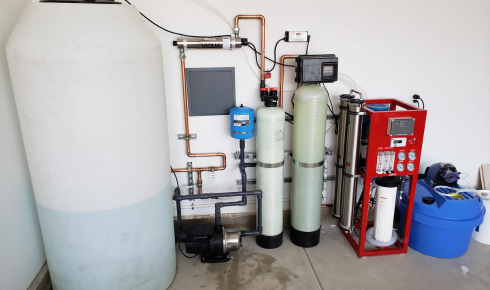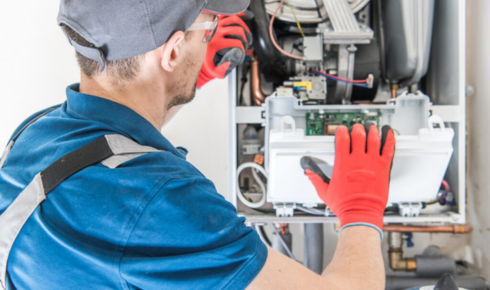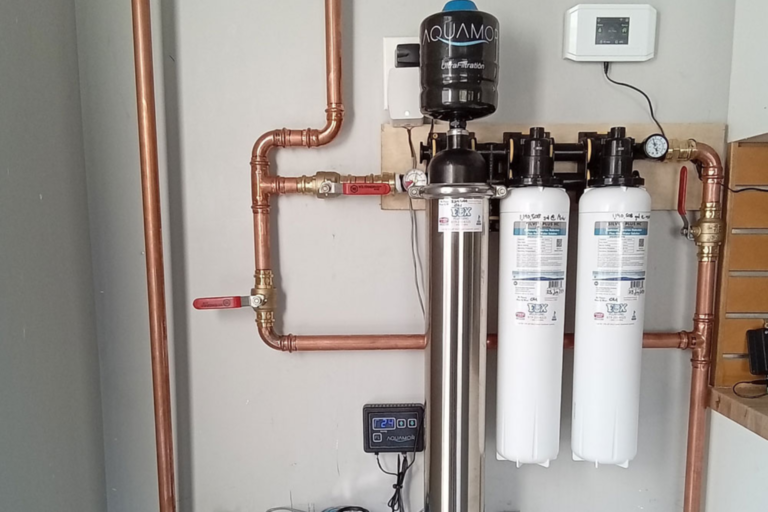
Home Blog Page 3

Making Sense of Your Water at Home: What Actually Improves It and Why It Matters

0

Water is one of those quiet essentials we barely notice—until we do. It runs through our mornings, fills our kettles, steams up our mirrors, rinses our vegetables. Most days, it behaves exactly as expected. But when something changes—an odd smell, chalky residue on faucets, cloudy ice cubes—we suddenly realize how much we rely on it.

And that’s usually when the research begins.

The internet throws around a lot of terms: filters, softeners, UV systems, multi-stage units. It can feel like you need an engineering degree just to decide what makes sense for your house. But improving your water doesn’t have to be complicated. It just needs to be aligned with what your home actually needs.

Start With the Water You Have

Before thinking about equipment, it helps to understand your starting point. Municipal water and well water behave differently. Some regions struggle with hardness. Others deal with chlorine taste. Certain homes experience sediment after heavy rainfall.

A basic water test can reveal a lot—hardness levels, pH, chlorine presence, maybe even bacterial concerns if you’re on a well. Once you know what’s in your water, solutions become less abstract and more practical.

Because here’s the truth: not every home needs every system.

Clearing the Obvious: Filtration

For many households, the first step is addressing taste, odor, and visible impurities. That’s where home water filtration typically comes in.

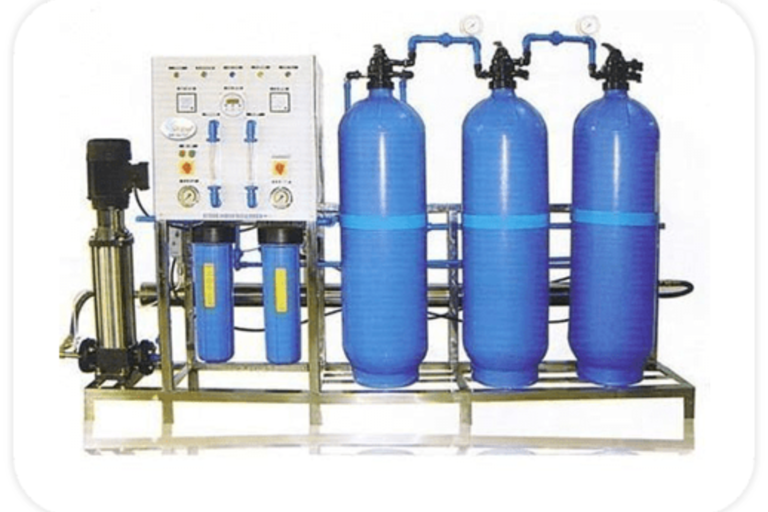
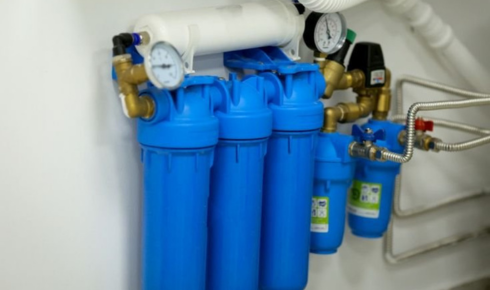
Filtration systems are designed to remove things like sediment, chlorine, and other common contaminants that affect clarity and flavor. Some are installed under the sink for drinking water only. Others treat water as it enters the home.

The difference can be surprisingly noticeable. Coffee tastes cleaner. Ice cubes freeze clearer. That faint “pool” smell in tap water fades. It’s not dramatic in a showy way—it’s subtle, but steady.

And sometimes, subtle is exactly what you want.

Tackling Hard Water at the Source

If you’ve ever scrubbed stubborn white buildup off a faucet, you’ve experienced hard water firsthand. Minerals like calcium and magnesium aren’t harmful in small amounts, but they can cause scale buildup inside pipes and appliances.

Over time, that buildup reduces efficiency. Water heaters work harder. Dishwashers leave spots. Soap struggles to lather properly.

That’s why home water softeners are so common in hard-water regions.

Softening systems use an ion exchange process to remove those hardness minerals before they circulate through your plumbing. The result? Softer-feeling showers, cleaner dishes, and appliances that don’t accumulate scale as quickly.

It’s not just about comfort—it’s about preserving what’s already in your home.

Addressing What You Can’t See

For households relying on well water, or those concerned about microbial safety, there’s another layer to consider: bacteria and microorganisms.

That’s where a uv water system can play a role.

Ultraviolet treatment works by exposing water to UV light, which neutralizes harmful bacteria and viruses without adding chemicals. It doesn’t change taste or smell. It doesn’t filter sediment. Instead, it quietly safeguards water quality at a microscopic level.

For well owners especially, this can offer peace of mind. It’s an invisible form of protection—one you’ll hopefully never notice, because it’s working exactly as intended.

Do You Need All Three?

Sometimes yes. Often, no.

If your primary concern is taste and chlorine, filtration might be enough. If hardness is causing scaling and soap inefficiency, a softener may solve most of your frustration. If microbial safety is uncertain, UV treatment adds a layer of security.

Layering systems can make sense—but only when guided by testing and practical need.

It’s tempting to install everything “just in case,” but that can increase maintenance without delivering meaningful benefit.

Thoughtful selection beats over-installation every time.

Maintenance Isn’t the Monster You Think

One hesitation homeowners often have is upkeep. Will filters need constant replacing? Will the system require complicated servicing?

In reality, most modern systems are designed for convenience. Filters are replaced on predictable schedules. Softeners need salt refills. UV lamps are typically replaced annually.

That’s about it.

Routine maintenance ensures consistent performance and extends system life. Ignoring upkeep, on the other hand, allows efficiency to decline gradually until you notice a drop in pressure or taste changes.

A little attention goes a long way.

The Emotional Side of Water Quality

There’s a practical argument for improving your water—protecting appliances, improving taste, reducing buildup.

But there’s also something emotional about it.

You stop buying bottled water. You hand guests a glass from the tap without hesitation. You cook with confidence. You shower without noticing mineral residue.

Water fades back into the background, which is exactly where it belongs.

When it’s working well, you don’t think about it.

A Final Thought

Improving your home’s water isn’t about chasing perfection or installing the most advanced system available. It’s about understanding what your water needs—and responding thoughtfully.

Whether that means filtration for taste, softening for mineral control, or UV treatment for added safety, the goal is the same: consistency and confidence.

Start with testing. Choose systems that match your actual concerns. Maintain them regularly.

And then enjoy the quiet comfort of knowing your water is doing exactly what it should—supporting your daily life without demanding your attention.

Because when water simply works, everything else feels just a little easier.

When Clean Water Becomes a Priority, Not a Luxury

0

There’s a moment most homeowners experience — usually small, almost forgettable — when they start questioning the water coming from their tap. Maybe it’s a faint metallic taste in a glass of water. Maybe it’s a cloudy look that disappears after a few seconds. Or maybe it’s simply curiosity sparked by reading one too many headlines about contaminants in municipal supplies.

For me, it started with coffee. My morning brew just didn’t taste right. Same beans. Same machine. But something felt off. That tiny shift led me down a surprisingly deep path into understanding how water quality affects everyday life. And once you notice it, it’s hard to ignore.

Water isn’t just something we drink. It’s what we cook with, brush our teeth with, fill baby bottles with. It’s part of our daily rhythm. So naturally, people are paying closer attention to what’s actually in it.

The Quiet Rise of Home Filtration

Over the past decade, home filtration systems have become less of a niche upgrade and more of a thoughtful investment. People want transparency. They want control. And honestly, they want peace of mind.

Among the options available, reverse osmosis systems tend to get a lot of attention — and for good reason. These systems work by pushing water through a semi-permeable membrane that filters out contaminants like lead, chlorine, fluoride, nitrates, and even certain bacteria. It’s a detailed process, almost surgical in its precision.

What’s interesting is how noticeable the change can be. Water tastes cleaner. Crisper. Some people describe it as “lighter,” though that might just be the absence of the heavy mineral aftertaste they’ve grown used to.

Reverse osmosis isn’t necessarily for everyone, though. It produces highly purified water, which can mean slower filtration speeds and some water waste during the process. That’s something worth weighing if sustainability is a priority for you.

Why Basic Filters Aren’t Always Enough

You’ve probably seen those pitcher filters in grocery stores. They’re convenient, affordable, and better than nothing. But they often only address surface-level concerns, primarily chlorine taste and odor.

For households that want something more comprehensive, drinking water filtration systems installed under the sink can offer a stronger solution. These systems target contaminants more aggressively than simple carbon filters. They’re designed specifically for water you consume — which, let’s be honest, is where most of our concern lies.

There’s a subtle comfort in filling a glass directly from the tap and knowing it’s been treated right there in your home. No hauling cases of bottled water. No wondering if the filter in your pitcher is overdue for replacement.

And speaking of bottled water — once you start filtering at home, it’s hard to justify the plastic waste. It feels like an outdated habit, honestly.

It’s About More Than Taste

When people think about filtration, taste is usually the first thing that comes up. And yes, flavor improves dramatically when chlorine and sediments are removed. But there’s more happening beneath the surface.

Long-term water quality improvement can support better appliance performance, reduce scale buildup, and even protect plumbing over time. It’s not always dramatic, but it’s meaningful.

There’s also the health angle. While municipal water in many regions meets regulatory standards, “meeting standards” doesn’t always mean optimal. Trace contaminants, aging infrastructure, and seasonal changes in water sources can all influence what ends up in your glass.

Installing a reliable filtration system is less about panic and more about prevention. It’s a proactive choice rather than a reactive one.

Choosing the Right System (Without Overcomplicating It)

Here’s where people often feel overwhelmed. There are so many options — countertop units, under-sink filters, full-scale whole-house setups. It’s easy to fall into analysis paralysis.

Start simple. Test your water. Many local companies offer free or low-cost testing, and the results can tell you exactly what you’re dealing with. Hardness? Chlorine levels? Heavy metals? Once you have that data, decisions become clearer.

If your main concern is safe drinking water, an under-sink filtration or reverse osmosis system might be enough. If you’re noticing scale buildup or strong odors throughout the house, a broader solution could make more sense.

And don’t forget maintenance. Even the best system won’t perform well if filters aren’t replaced on schedule. It’s not glamorous, but it’s essential.

The Investment Perspective

Let’s talk money for a second. Quality filtration systems do require upfront costs. Installation, replacement filters, occasional servicing — it adds up.

But compare that to years of bottled water purchases. Or the cost of replacing appliances prematurely due to mineral damage. Or even the intangible cost of worrying every time you pour a glass for your child.

Sometimes the investment isn’t just financial. It’s emotional.

There’s something grounding about knowing the basics — air, water, shelter — are taken care of. Clean water becomes less of an afterthought and more of a quiet assurance humming in the background of daily life.

A Personal Shift

After installing a proper filtration system, I stopped thinking about water entirely. And oddly enough, that’s the point.

Coffee tastes right again. Pasta boils without leaving residue on the pot. Guests refill their glasses without hesitation. It’s a small change that ripples outward.

Clean water shouldn’t feel like a luxury upgrade. It should feel normal. Effortless. Expected.

If you’ve been on the fence about improving your home’s water setup, maybe this is your nudge. Not because it’s trendy. Not because someone’s trying to sell you something. But because the water you drink every day deserves attention.

And once you experience the difference — even if it starts with something as simple as better-tasting coffee — you’ll probably wonder why you waited so long.

The Quiet Flow of Daily Life: Why Good Plumbing Care Matters More Than We Realize

0

There’s something almost poetic about how water moves through a home. It arrives when you need it, disappears when you don’t, and quietly supports dozens of small moments each day. A morning shower that wakes you up, the comforting sound of a kitchen tap while cooking dinner, the simple ease of washing your hands without thinking twice.

Most of us never stop to appreciate this invisible system. It works so smoothly that it fades into the background — until something suddenly goes wrong.

That’s when we remember just how much daily life depends on reliable plumbing.


The Invisible System Behind Everyday Comfort

Water systems in homes are far more complex than they appear. Pipes run behind walls, beneath floors, and through ceilings, forming a hidden network that keeps everything functioning.

Over time, however, these systems naturally experience wear. Pipes can corrode, seals can loosen, and debris can build up inside drainage lines.

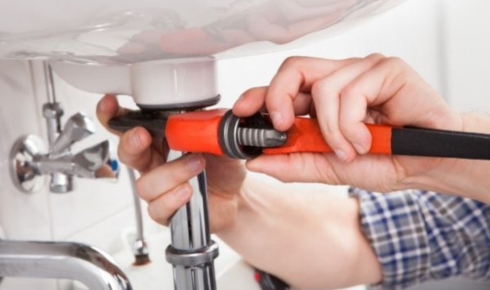
This is why professional plumbing services play such an essential role in maintaining household stability. Regular inspections, timely repairs, and preventive maintenance help ensure water systems remain efficient and safe.

Unlike emergency fixes, proactive care focuses on long-term reliability — preventing disruptions before they happen.


Why Small Plumbing Issues Rarely Stay Small

One of the most common mistakes homeowners make is ignoring minor plumbing problems. A dripping faucet might seem harmless, and a slow drain might feel like a small inconvenience.

But water has a way of turning small issues into larger ones. A slow leak can gradually damage surrounding materials, leading to mold growth and structural deterioration. A minor blockage can increase pressure in pipes, eventually causing cracks or bursts.

Plumbing problems tend to develop quietly, without obvious warning signs at first.

Addressing issues early is often the most cost-effective solution. It reduces repair expenses, prevents damage, and maintains system efficiency.


The Role of Water Heating in Daily Comfort

Few household systems influence comfort as directly as hot water availability. From showers and laundry to dishwashing and sanitation, hot water plays a central role in daily routines.

Modern water heaters are designed to provide consistent performance, but they still require regular maintenance to function properly. Sediment buildup, worn heating elements, and pressure imbalances can gradually reduce efficiency.

Without proper care, water heaters may struggle to maintain temperature or consume more energy than necessary.

Routine servicing helps extend system lifespan while ensuring consistent hot water supply.


Drainage: The Often Overlooked Half of Plumbing

While water supply systems receive most attention, drainage systems are equally important. Efficient wastewater removal prevents blockages, unpleasant odors, and potential health risks.

Over time, grease, soap residue, hair, and debris accumulate inside pipes. This buildup restricts flow and can eventually cause complete blockages.

Professional drain cleaning helps remove these obstructions safely and thoroughly. Unlike temporary DIY solutions, professional cleaning addresses the root of the problem rather than masking symptoms.

Regular maintenance of drainage systems helps prevent unexpected backups and costly repairs.


The Financial Benefits of Preventive Care

Plumbing emergencies often come with significant costs. Burst pipes, water damage, and emergency repairs can quickly strain household budgets.

Preventive maintenance offers a more economical approach. Routine inspections allow technicians to detect small issues early, when repairs are simple and inexpensive.

Additionally, efficient plumbing systems reduce water waste and energy consumption, lowering utility bills over time.

Investing in regular care not only protects infrastructure but also provides long-term financial savings.


The Emotional Side of Reliable Plumbing

Plumbing reliability affects more than convenience — it influences peace of mind.

Imagine dealing with a clogged drain during a busy morning or discovering a leak late at night. These situations create immediate stress and disrupt daily routines.

Reliable water systems allow people to focus on their lives without worrying about unexpected disruptions.

When plumbing functions smoothly, it becomes invisible again — quietly supporting everyday comfort without drawing attention.


Choosing Professional Expertise Over Quick Fixes

While DIY solutions may seem appealing, they often provide only temporary relief. Plumbing systems involve complex interactions between pressure, flow, and infrastructure.

Professional technicians bring both technical knowledge and practical experience. They understand how to diagnose underlying issues and implement lasting solutions.

More importantly, they provide clear communication — helping homeowners understand system needs and maintenance priorities.

This transparency builds confidence and ensures informed decision-making.


A Final Thought: Stability Flows from Reliable Systems

Plumbing rarely becomes a topic of conversation when everything works properly. It simply supports daily life quietly, ensuring water flows where it’s needed and drains away when it’s not.

But when problems arise, its importance becomes instantly clear.

Regular maintenance, timely repairs, and professional support help prevent disruptions and maintain system efficiency.

Because ultimately, plumbing isn’t just about pipes and fixtures.

It’s about preserving the stability of the spaces we live in — supporting hygiene, comfort, and everyday routines without demanding attention.

Why Happy Clean’s cleaning services are the most used in Dublin?

0

Dublin is a city that never truly slows down. Between fast-growing tech offices, dense residential neighbourhoods, short-term rentals, and an increasingly time-poor population, professional cleaning has shifted from a “nice to have” into an essential service. What’s interesting, though, is not that cleaning services are in demand — it’s which services people repeatedly choose and why.

Across the capital, usage patterns show a clear preference for providers that combine reliability, flexibility, and local understanding. One name that consistently surfaces in conversations among tenants, landlords, and business owners is Happy Clean Dublin. Its popularity isn’t accidental. It reflects deeper shifts in how Dubliners think about cleanliness, time, and trust.

Dublin’s Lifestyle Has Changed — Cleaning Habits Followed

A decade ago, many Dublin households handled cleaning themselves or relied on informal help. That model no longer fits modern life.

Today, the city is shaped by:

●        Dual-income households with limited free time

●        A large renter population with strict lease requirements

●        Short-term lets that demand hotel-level cleanliness

●        Offices returning to hybrid work with higher hygiene standards

When time becomes scarce, people stop asking “Can I clean?” and start asking “Who can I trust to do it properly?”

That shift explains the surge in repeat bookings rather than one-off cleans. Dubliners don’t want experimentation. They want consistency.

Reliability Matters More Than Price in Dublin

One thing becomes clear after speaking to tenants and property managers across areas like Rathmines, Docklands, and Blanchardstown: missed appointments and inconsistent standards are deal-breakers.

In a city where:

●        Parking is limited

●        Buildings are compact

●        Access times are tight

A cleaning service that arrives late or unprepared creates real stress. This is why the most-used cleaning services in Dublin are not necessarily the cheapest — they’re the most dependable.

Happy Clean’s reputation has grown largely because of predictable outcomes. People know what they’re getting. That sense of certainty is powerful, especially for landlords preparing properties between tenants or families balancing work and childcare.

Local Knowledge Makes a Measurable Difference

Cleaning in Dublin isn’t generic. Anyone who has lived here knows that different parts of the city come with different challenges:

●        Coastal moisture affecting homes near Clontarf

●        Heavy foot traffic dust in city-centre apartments

●        Limescale issues common in older plumbing systems

●        Construction residue in fast-developing neighbourhoods

A locally rooted cleaning team understands these issues instinctively. They don’t need instructions for every detail — they’ve seen it before.

This local awareness is one of the quiet reasons Happy Clean services are repeatedly booked. Clients don’t feel like they’re educating the cleaner. They feel understood.

Flexibility Is No Longer Optional

Rigid cleaning schedules worked when life was predictable. Dublin life isn’t.

People now need:

●        Evening cleans after work

●        Short-notice bookings for inspections

●        Weekend services around family commitments

●        One-off deep cleans after renovations or move-outs

Services that adapt win. Those that don’t disappear.

Happy Clean’s usage reflects this reality. Its scheduling model aligns with how Dubliners actually live, not how service providers wish they lived.

Trust Is the Real Currency

Inviting someone into your home or workplace is an act of trust. In Dublin, where many renters move frequently and offices handle sensitive equipment, that trust is earned slowly — and lost instantly.

The most-used cleaning services share common trust signals:

●        Clear communication

●        Transparent pricing

●        Consistent staff

●        Respect for property and privacy

People talk. Recommendations travel fast in Dublin communities, both offline and online. A service that gets these basics right doesn’t need aggressive marketing — usage grows organically.

Professional Cleaning Is Now Part of Dublin’s Infrastructure

It’s no longer accurate to think of cleaning services as an occasional support. In Dublin, they’ve become part of the city’s daily functioning.

Consider:

●        Airbnb hosts managing back-to-back bookings

●        Offices maintaining hygiene standards post-pandemic

●        Property managers overseeing multiple units

●        Families outsourcing tasks to protect limited downtime

In this context, it makes sense that one of the most consistently chosen providers is Happy Clean Dublin, a service that fits into routines rather than disrupting them.

Experience Beats Promises

Many cleaning companies promise excellence. Fewer deliver it repeatedly.

What sets widely used services apart is experience-driven execution — knowing where problems usually hide, what inspectors look for, and how Dublin properties actually age and wear.

That experience can’t be faked with marketing copy. It shows up in details: skirting boards done properly, kitchens left inspection-ready, offices cleaned without disrupting workflows.

This is where long-term usage comes from.

The Bigger Picture: Why Usage Concentrates Around Trusted Providers

When you step back, the popularity of Happy Clean services in Dublin reflects broader truths:

●        People value time more than ever

●        Reliability outperforms novelty

●        Local expertise beats generic solutions

●        Trust drives repeat business

In a competitive city, only services that align with these realities earn sustained demand.

Final Thoughts

Dublin doesn’t reward shortcuts. It rewards consistency.

The reason Happy Clean services are among the most used in the city isn’t hype or coincidence. It’s alignment — with local needs, modern lifestyles, and the simple human desire to know that when a job is booked, it will be done right.

And in a city as busy as Dublin, that reliability is priceless.

A Breath of Fresh Air, A Sip of Clean Water: Why It All Matters More Than Ever

0

Take a moment to think about the air you breathe and the water you drink. Simple, everyday things—often overlooked. Yet, when you pause and actually feel the weight of their importance, you start to realize: these aren’t just background elements of life. They are life. The silent threads that stitch together your health, your energy, and even your mood.

In a world cluttered with tech breakthroughs and fast-paced noise, there’s something grounding about clean water and pure air. They’re not flashy. They don’t trend on social media. But their impact? Deep. Tangible. Immediate.

Let’s talk about them—openly, honestly, and with a bit of real-world flavor.


When Water Isn’t Just Water

You’ve probably poured yourself a glass from the tap without thinking twice. But have you ever stopped to wonder what’s actually in it?

Most municipal systems do a decent job, sure. But “decent” doesn’t always mean safe. Pipes can corrode. Runoff from agriculture sneaks in. And don’t even get me started on old infrastructure in some cities.

It’s not just about taste or smell—although, let’s be honest, funky-tasting water can ruin your morning coffee. It’s about the unseen: the metals, the chemicals, the tiny invaders that may find their way into your glass.

That’s where filtering comes in. Not the overhyped, Instagrammable kind with blinking lights—but the kind that gets the job done quietly in the background. It’s about creating safer water for you and your family without overcomplicating things.


The Invisible Intruders in Your Cup

We live in a time where we obsessively read food labels, avoid plastic straws, and track our macros like a hawk. But water? It gets a pass far too often.

And yet, many homes are still dealing with unwanted impurities. Think lead, chlorine, sediment, pesticides—sometimes even trace pharmaceuticals. Not enough to knock you down instantly, but enough to chip away at your well-being over time.

It’s not alarmist to care. It’s smart.

Imagine preparing baby formula, brewing your herbal tea, or filling your pet’s bowl—all using water that’s quietly working against your health goals. Now imagine flipping that script. Imagine a baseline of confidence every time you turn on the tap.

That peace of mind? It’s underrated.


Air Quality: The Forgotten Partner in Health

While water often takes the spotlight, air quality is the quiet sidekick that deserves its own standing ovation. You can live weeks without food, days without water—but only minutes without air.

Indoor air especially. We spend, what, 90% of our lives indoors? Yet many of us are breathing in a cocktail of dust, pet dander, VOCs, mold spores, and who knows what else. Your home might look sparkling clean, but your lungs could tell a different story.

Adding a few plants and cracking open a window isn’t always enough. Some homes need a little more TLC—like proper ventilation systems or air purifiers that don’t just blow air around, but actually clean it.

You deserve to breathe healthier air, especially in a space that’s meant to be your sanctuary.


Water and Air: They’re Talking to Each Other

Strange idea? Maybe at first. But think about it.

That steamy shower you love? If the water’s contaminated, those impurities might become airborne. The humidifier in your room? Great—unless it’s filled with tap water high in minerals or microbes, turning your fresh mist into something… less fresh.

The truth is, water and air don’t live in separate silos. They dance together. They swirl around you. And both need to be clean for your environment—and your body—to thrive.


The Little Things Add Up

So many health issues these days seem complicated: stress, inflammation, chronic fatigue. We search for answers in exotic diets, supplements, and wearable tech.

But maybe some of the answers are right in front of us—in the glass on our desk or the air we breathe while we sleep.

You don’t need a PhD in environmental science to take steps toward cleaner living. Start with awareness. Then consider a water test, a good filter, an air purifier—or at the very least, a habit of cracking windows and keeping your vents clean.

Small actions. Big impact.


Real Life, Real Results

A friend of mine once battled persistent sinus infections. Tried all the usual remedies. Nothing worked—until she swapped her tap water for filtered and added a HEPA filter to her bedroom. Within two weeks, the change was obvious. Was it magic? No. Just basic environmental wellness doing what it does best.

Another example? A young couple in the suburbs struggled with their baby’s skin rashes. Pediatricians offered creams and advice. But it wasn’t until they switched to purified water for baths and upgraded their HVAC filters that things started clearing up.

We underestimate the role of clean air and water in our daily lives. But they’re foundational—like the quiet friends who never ask for attention but always show up when it counts.


Final Thoughts: It’s Not About Perfection

You’re not expected to install a lab-grade filtration system in your garage or turn your home into a sterile bubble.

Life’s messy. You’ll still breathe in a little dust, maybe drink a questionable glass of water at a restaurant. That’s fine. The goal isn’t perfection—it’s progress.

Just start thinking more intentionally. Ask questions about your water source. Pay attention to how your home feels when the windows are shut. If something seems off, it probably is.

Clean water and fresh air won’t solve everything, but they sure make everything else a little easier to deal with.

Clear Water, Clear Mind: Choosing the Right Local Water Solutions for Your Home

0

There’s something deeply comforting about pouring a glass of water straight from your tap and knowing it’s clean, safe, and tastes just right. But in many households across the country, that peace of mind is hard to come by. Whether it’s hard water stains on your bathroom tiles, that strange chlorine aftertaste in your coffee, or just the uncertainty of what’s really in your pipes, water issues can quietly erode daily comfort.

That’s why more and more homeowners are turning to local experts to solve their water woes once and for all.


Why Local Matters More Than You Think

You’ve probably Googled something like water filtration company near me when dealing with off-colored water or a gritty taste in your mouth. And that instinct is spot on. Local companies don’t just install filters — they understand your region’s unique water composition, seasonal changes, and municipal quirks.

For example, someone living in Phoenix is dealing with wildly different water challenges than someone in coastal Maine. A company down the street is more likely to know that your neighborhood pulls water from a particular reservoir or has a history of high calcium levels. That kind of insight can save you a lot of back-and-forth and guesswork.


Beyond the Filter: What’s Actually In Your Water?

We often think of water as pure and simple. H₂O. But the reality? Tap water can be a cocktail of minerals, chemicals, and contaminants — some harmless, others not so much. Iron, sulfur, lead, chlorine, bacteria… the list can go on depending on where you live and how old your plumbing is.

What’s wild is how many people just accept this as normal. We slap on a generic water pitcher filter, hope for the best, and move on. But real water filtration goes much deeper. It’s about treating your water at the source — not just where it ends up.

This is where local expertise can be invaluable. A trusted provider can test your water and help you figure out if you need reverse osmosis, activated carbon, UV filtration, or a combo of all three.


The Surprising Benefits of Whole-House Filtration

Most of us think about water filtration for drinking water, right? But what about your showers? Your laundry? Your dishwasher? The truth is, water touches just about every part of your home — and when it’s not properly treated, it can wear down appliances, stain clothing, dull your hair, and dry out your skin.

A good whole-house system might seem like a splurge at first, but when you add up all the long-term benefits — lower maintenance costs, fewer plumbing issues, better water pressure, and softer towels (yes, really!) — it starts to look like a smart investment.

That’s why more homeowners are looking into water treatment near me as a broader service, not just a kitchen sink upgrade.


Hard Water Is a Real Drag — But It’s Fixable

Let’s talk about hard water for a second. If you’ve got it, you know it. Soap doesn’t lather right. Your glassware comes out cloudy. Faucets get that crusty white buildup no matter how much you clean.

Hard water isn’t dangerous, but it is annoying — and damaging in the long run. All that excess calcium and magnesium clogs up pipes, shortens the life of your appliances, and can even make your heating system less efficient.

That’s where softeners come in. If you’ve been typing water softener services near me into your search bar, you’re already on the right track. A local softener service can tailor a solution based on your household size, water usage, and hardness levels — and many offer maintenance plans so you don’t have to think about it again.


Red Flags to Watch for in Your Home

Still on the fence about whether you need a filtration or softening system? Here are a few subtle (and not-so-subtle) clues your water might be trying to tell you something:

  • Persistent water spots on dishes or shower doors
  • Dry, itchy skin after showers
  • Foul odors — like rotten eggs or chlorine
  • Sediment floating in your drinking glass
  • Dingy or stiff laundry even with softener
  • A spike in plumbing issues (clogs, pressure drops, etc.)

Sometimes we normalize these things because they creep in gradually. But you shouldn’t have to settle.


What to Expect From a Professional Water Service Visit

A quality local company won’t just slap a filter on your tap and call it a day. Most begin with a free or low-cost consultation and water test. They’ll explain what they find in plain English (no scary jargon), walk you through your options, and customize a system that works for your home and budget.

Good providers are transparent about costs and will often offer ongoing service packages — especially helpful for salt refills, filter swaps, or system updates.

And honestly? It’s just nice having someone you can call if something feels off with your water. No call centers. No outsourcing. Just real people, right nearby.


The Environmental Bonus

There’s also an underrated perk to getting your home’s water system in shape: less waste. With filtered water at the tap, you’re less likely to buy single-use plastic bottles. You’re also using your appliances more efficiently, which can lower energy consumption and water waste over time.

In a world where small environmental choices add up, this one feels like a no-brainer.


The Bottom Line

Clean water is one of those things we shouldn’t have to think about — but when something’s off, it affects everything. From the taste of your tea to the feel of your laundry, water quality touches your whole life.

Investing in local water filtration, treatment, or softening isn’t just about convenience. It’s about reclaiming comfort, protecting your home, and gaining peace of mind — one clean drop at a time.

So the next time you run your fingers under the tap, take a second to notice. Does your water feel right? Taste right? Smell fresh? If not, it might be time to connect with someone nearby who can help you fix it for good.

Wired for Success: Why Thoughtful Electrical Planning Matters More Than Ever

0

When you walk into a freshly constructed building—be it a trendy new café, a buzzing office space, or a towering condo—there’s a good chance you’re admiring the sleek design, the lighting, the energy. But what you’re really seeing is the silent power of proper electrical planning. It’s the unseen backbone of modern life. And yet, many don’t think twice about it—until a switch fails, a wire shorts, or power trips mid-meeting.

Let’s peel back the walls and talk about what keeps the lights on—and why a little extra attention to electrical services isn’t just smart; it’s essential.


The Hidden Heartbeat of Every Commercial Space

Imagine a hospital with unreliable power. Or a warehouse without proper lighting. Or even a retail store where the POS systems go down during peak hours. Electricity is more than convenience; it’s the bloodstream of any modern business.

This is where commercial electrical services step in—not just to fix things when they break, but to design, install, and future-proof complex electrical systems. From energy-efficient lighting layouts to advanced data cabling and emergency backup systems, these services shape how businesses function from the ground up.

You don’t call in a commercial electrician just to run some wires. You call them to think strategically. To anticipate demand. To scale with you.


It’s Not Just Wires—It’s Strategy

Anyone who’s been through a major renovation or new build knows: poor planning on the electrical front can delay everything.

When you’re in the early stages of new construction wiring, it’s about more than code compliance. It’s about considering growth, smart tech integrations, eco-friendly solutions, and layout optimizations.

Let’s say you’re building a coworking space. You might not need 30 high-speed charging ports right now, but in two years? Very likely. Smart electrical planning makes room for growth—without the need for ripping up drywall later.

Plus, today’s construction often demands integration with smart systems: security, automation, and green tech. Wiring for the future isn’t a luxury—it’s a baseline.


Day-to-Day: Maintenance Isn’t Boring. It’s Crucial.

Here’s a common trap businesses fall into: once everything’s installed and humming, they forget about it. Out of sight, out of mind. Until something goes wrong.

But regular maintenance and repair isn’t a nuisance—it’s a safeguard. Just like your car needs oil changes and brake checks, your electrical systems need consistent attention to prevent wear, detect inefficiencies, and avoid costly failures.

From checking load balances to replacing aging circuit breakers and catching tiny faults before they snowball, proactive maintenance saves money and headaches. Especially in commercial environments where downtime equals dollars lost.


Future-Proofing in a Tech-Driven World

Think of how rapidly tech has evolved in just five years. From AI-powered HVAC systems to entire office floors run on solar backups, the electrical demands of today’s buildings are skyrocketing.

That means your electrician isn’t just someone in overalls—they’re your tech advisor. A good one will ask about your future plans, your IT setup, your sustainability goals, even your fire safety strategy.

They’ll recommend the right panels for scalability. The most efficient LEDs for your brand’s ambiance. Even suggest how to route wiring to avoid EMF interference in sensitive equipment rooms. That’s real value.


Mistakes That Cost More Than Money

It’s tempting to cut corners. Maybe a general contractor says they can handle “basic wiring.” Or a friend-of-a-friend offers a “deal” that’s too good to pass up.

But one misplaced wire can compromise an entire building’s safety. Improper installations can void insurance. And a botched electrical setup could violate local codes—leading to penalties, forced redos, or worse.

Ask any property manager who’s dealt with tenant complaints about flickering lights, power surges, or fried servers. It’s not just a nuisance—it can become a liability nightmare.


Picking the Right Team

If you’re a business owner or developer, choosing an electrical partner is one of your most strategic decisions. It’s not about who’s cheapest—it’s about who listens, who plans, and who understands your goals.

Look for firms with experience in your industry—be it healthcare, hospitality, retail, or industrial. Ask about their certifications. Ask for references. See if they offer design-build solutions or partner with sustainability consultants.

Most importantly, choose someone who talks to you in plain English. If they can’t explain what they’re doing or why, that’s a red flag.


Real Talk: Energy Efficiency Isn’t Just a Buzzword

Beyond safety and scalability, there’s one more reason to obsess over electrical planning: your bottom line.

Efficient systems—motion-sensor lighting, optimized power distribution, low-loss transformers—can dramatically cut energy bills. And with rising costs and stricter regulations, energy-smart buildings are becoming the standard, not the exception.

A knowledgeable electrical team won’t just install your gear—they’ll optimize it. That’s a long-term win.


A Final Spark of Advice

We live in a time when our relationship with power is changing fast. Solar panels on rooftops. Electric vehicle chargers in parking lots. Smart thermostats learning our habits.

Buildings are becoming living, thinking ecosystems. And at the center of all that change? Wiring. Planning. Execution. Maintenance.

Don’t treat your electrical setup as an afterthought. Treat it as the infrastructure of your business’s future. Because it is.

So the next time you flip a switch and the lights flood on without a hitch, remember: there’s a story behind that glow. A team of experts. A plan well executed. And a commitment to getting it right from the start.

Why Good Water Isn’t a Luxury—It’s a Necessity (And What You Can Do About It)

0

We take a lot for granted—clean air, sturdy roofs, solid Wi-Fi. But perhaps the most underrated of them all? Water. Not just the water that flows when we turn on the tap, but good water. Safe water. Water that won’t stain your clothes yellow, make your shower feel like you bathed in bleach, or taste like it was scooped from the back of a truck.

Let’s be honest—most of us don’t think about water filtration until something goes wrong. Maybe your faucet suddenly spits out cloudy water. Maybe your skin’s been itching and flaking for weeks. Or your coffee tastes… off. Whatever tips you off, that “aha” moment arrives, and suddenly, you’re deep in the rabbit hole of home filtration systems, buzzwords, and big decisions.

Let’s simplify things a bit.


The Basics: Why Tap Water Isn’t Always Trustworthy

Depending on where you live, your municipal water might be pretty decent. But even “treated” water can carry a cocktail of chemicals—chlorine, chloramine, lead (hello, old pipes), PFAS, nitrates, and even trace pharmaceuticals. And don’t get me started on well water—it often comes with its own set of surprises like iron, manganese, sulfur smells, or microbial contamination.

The truth is, even when water looks clear, it might be hiding stuff you’d never want near your toothbrush or baby’s formula.

That’s where filtration steps in.


The Two Giants: Point-of-Use vs. Point-of-Entry

When it comes to home water treatment, you’ve got two big categories:

  • Point-of-use systems: Think under-sink filters or faucet-mounted options. They treat water at a single location—typically your kitchen sink.
  • Point-of-entry systems: These treat all the water entering your home. Every tap, shower, and appliance benefits from clean water.

Now, let’s dive deeper into two of the most popular solutions people often weigh against each other: reverse osmosis systems and whole house backwashing filters.


Reverse Osmosis: Small but Mighty

You’ve probably heard someone rave about their RO system. And with good reason. Reverse osmosis is like the elite bodyguard of filtration. It forces water through a semi-permeable membrane, removing everything from fluoride and chlorine to heavy metals and bacteria. The result? Incredibly pure water that tastes noticeably better.

But here’s the catch—RO systems are typically point-of-use. They usually live under your kitchen sink and serve a single tap. They’re not designed to filter water for your whole house. Plus, they tend to waste some water during the process (though newer models have gotten better).

Still, for drinking and cooking, reverse osmosis systems are hard to beat. They’re especially great if you’re concerned about TDS (total dissolved solids), lead, or nasty contaminants like arsenic.


Whole House Backwashing Filters: The Unsung Hero

Let’s switch gears to something bigger—whole home protection.

Whole house backwashing filters are point-of-entry systems. They’re like your home’s first line of defense. These systems remove sediment, chlorine, iron, sulfur, and even some organic contaminants—before the water touches your pipes, appliances, or your skin.

The “backwashing” part? That just means the system periodically cleans itself by flushing the filter media with water. No need for you to manually replace a filter every month or two. Set it and forget it.

While they don’t offer the ultra-pure quality of RO for drinking, whole house backwashing filters drastically improve your water quality throughout the home—softer showers, longer-lasting appliances, and way fewer stains on clothes and sinks.


So… Which One Should You Get?

Honestly? Maybe both.

It’s not unusual for homeowners to pair a whole house system with a reverse osmosis unit at the kitchen sink. Think of it like layers of protection: the big filter handles the heavy lifting for the whole home, and the RO fine-tunes your drinking and cooking water.

Of course, it all depends on your water source and what’s in it. Got hard water loaded with calcium and magnesium? You might need a softener in the mix. Living with well water? Iron, sulfur, and sediment are probably your top concerns.

That’s why testing your water first is key. It’s like going to the doctor before getting a prescription—you want to treat the right problem.


A Word on Health and Hidden Costs

Clean water isn’t just about taste. It’s about health.

Studies have linked prolonged exposure to chemicals like PFAS, lead, and chlorinated byproducts to issues ranging from hormone disruption to increased cancer risk. And let’s not forget how skin reacts to poor water—eczema, dryness, or rashes might not be “just winter skin” after all.

Then there’s the other cost. Mineral-heavy or chemically aggressive water wrecks plumbing, shortens the life of dishwashers, and turns shiny new faucets into crusty messes. A good filtration system might just save you thousands over time.


Real Talk: What Installation Looks Like

People sometimes picture installing a water system as some major home renovation. But in reality? Most of these systems are fairly plug-and-play for a pro.

  • An RO unit can be installed under your sink in under 2 hours.
  • A whole house system might take half a day, depending on your plumbing layout.

Some systems even come pre-loaded with media and require minimal setup. Just make sure to choose reputable brands and certified installers—cutting corners on something this important rarely ends well.


Final Thoughts: Don’t Wait for a Crisis

It’s easy to ignore water quality until there’s a foul smell, visible stain, or health issue. But by then, the damage is often done.

Think of water filtration like insurance. Or better yet—like upgrading from dial-up to fiber. Once you’ve made the switch, you’ll wonder how you lived without it.

Good water isn’t a luxury. It’s the baseline for everything from your morning coffee to your peace of mind. And whether you go with reverse osmosis systems, whole house backwashing filters, or both, what matters most is that you take control of what flows through your home.

Your health, your comfort, and your family deserve it.

When Warmth Matters: A Human Take on Heating Installation, Repairs, and Long-Term Comfort

0

Sometimes, it’s not until your toes turn into tiny icicles or your breath fogs up your living room window that you realize just how important a good heating system really is. Heating isn’t just about staying warm—it’s about comfort, reliability, and peace of mind. It’s those quiet nights when you don’t hear the furnace, but you feel its embrace. Or that sigh of relief when the first chill of the season rolls in and you know—you’re ready.

Let’s dive into what makes heating systems work for the long haul, and more importantly, how to make them work for you.


Why Heating Systems Deserve More Respect

We don’t talk about them until they break. But heating systems are the unsung heroes of our homes. Whether it’s a heat pump, furnace, boiler, or radiant setup, each system has its own quirks, strengths, and care needs.

Think of your heating system like a dependable old car. You want it to turn on without a fuss, not rattle or leak, and definitely not quit in the middle of a storm. And just like that old car, installing a new one isn’t just plug-and-play.

That’s why heating installation should never be treated like a simple box-checking task. It’s not just about hooking up a unit and flipping a switch. It’s about sizing it correctly for your space, accounting for insulation, venting, ductwork, and even the local climate. A rushed or miscalculated installation can lead to inefficiencies that cost you month after month—or worse, an entire system replacement before its time.


When the Heat Goes Out: Repairs That Matter

No matter how great the installation was, stuff breaks. That’s just life. The thermostat goes haywire. The blower fan makes a noise that sounds suspiciously like a dying animal. Or maybe it’s just… cold, and you can’t figure out why.

This is where smart, skilled heating repair comes in. A good technician isn’t just someone who knows the technical stuff. They’re part detective, part therapist (yes, for your house), and part educator.

You want someone who won’t just swap parts blindly, but who asks questions, listens to how your system behaves, checks for underlying issues, and makes fixes that stick. The best repairs don’t just solve the problem today—they prevent tomorrow’s headache. And sometimes, they help you squeeze a few more solid years out of an aging system.


The Power of Prevention: Why Maintenance Isn’t Just “Nice to Have”

Here’s the thing about heating systems: they don’t scream when they’re unhappy. They whisper. A slow creep in your energy bill. A faint click that turns into a loud thud. That one room that’s always colder than the rest.

These signs usually pop up before a major failure—but only if you’re paying attention. Or better yet, if you’ve got a maintenance plan in place that’s doing it for you.

A solid plan isn’t about over-servicing or draining your wallet with needless check-ups. It’s about knowing that twice a year, someone’s going to come by, clean your filters, lubricate moving parts, inspect for leaks, test safety controls, and catch tiny problems before they turn into big ones.

And the best part? It gives you predictability—something that’s in short supply when it’s the coldest week of the year and every HVAC company has a 10-day waitlist.


Real Talk: What Should You Look for in a Heating Company?

Let’s keep it real—there are a lot of companies out there. Some promise the moon. Some underbid everyone else. And some disappear when things go south.

So what actually matters?

  • Experience is good, but attention to detail is better. You want people who ask questions, not just show up with answers.
  • Transparency in pricing, timelines, and potential pitfalls builds trust. If something sounds too good to be true, it probably is.
  • Responsiveness. If you’re left on read when your heat is down, that’s a red flag.
  • Flexible support. Especially when it comes to long-term service options and customized solutions for your space.

Also, check the reviews—but read them like a human. Look for patterns. Did customers feel listened to? Did problems get solved? Were there surprises?


Don’t Wait for a Cold Wake-Up Call

One of the most common regrets homeowners have? Not dealing with heating issues when they were small. That rattle you heard in October becomes a full-blown shutdown by January. The slow start-up you ignored suddenly becomes no start at all.

And yet, it’s not about living in fear of system failure. It’s about being proactive. About treating your heating system like the asset it is. One that adds comfort, value, and even resale appeal to your home.

If you’re renting? You still deserve a warm space. Don’t be afraid to push for proper repairs or inspections from landlords or property managers.


A Final Word: Comfort Isn’t a Luxury—It’s a Right

We all have memories tied to warmth. The blanket your grandma crocheted. The heater humming during holiday dinners. That first moment your kid touched a warm radiator with wide-eyed wonder.

These aren’t just cozy moments. They’re safe moments. They’re part of what makes a house a home.

So don’t wait until the frost creeps in. Whether you’re considering a new system, wondering why yours isn’t performing, or just want to stop worrying about when the next repair will strike—take that step.

Start with an honest assessment. Ask questions. Book that check-up. Talk to someone who treats your comfort like it matters—because it does.

Markets by Day and Neon Streets by Night in Bangkok

0

Ah, Bangkok! A city that never sleeps, where the hustle and bustle of the day gives way to the vibrant nightlife. From bustling markets filled with the aroma of street food to neon-lit streets that pulse with energy, Bangkok is a destination that offers a sensory overload like no other. Whether you’re a daydreamer wandering through local stalls or a night owl seeking the thrill of the city’s nightlife, Bangkok has something for everyone. Let’s dive in!

The Daytime Charm of Bangkok’s MarketsChatuchak Weekend Market: A Shopper’s Paradise

First up on our market tour is the iconic Chatuchak Weekend Market. Covering over 35 acres and boasting more than 15,000 stalls, this market is a must-visit. It’s like a treasure hunt where you can find everything from quirky souvenirs to traditional handicrafts. Don’t forget to haggle a bit; it’s part of the experience! And the food? Oh, you have to try the coconut ice cream or the spicy papaya salad!

Damnoen Saduak Floating Market: A Unique Experience

Next, we take a trip to the famous Damnoen Saduak Floating Market. Imagine colourful boats laden with fresh fruits, vegetables, and local delicacies. It’s a photographer’s dream and a foodie’s paradise! Glide through the canals, grab a bowl of boat noodles, and soak in the unique atmosphere. It’s not just shopping; it’s an experience that immerses you in Thai culture.

Talad Rot Fai: Vintage Vibes and Local Eats

If you’re into vintage finds and trendy eats, Talad Rot Fai is the place to be. This night market, which starts in the evening, is famous for its retro items and hip food stalls. Picture yourself sipping on craft beer while browsing through antiques. It’s a laid-back vibe that attracts both locals and tourists alike. Plus, the live music adds to the charm!

The Nightlife Hustle: Neon Streets of BangkokKhao San Road: The Backpacker’s Haven

As the sun sets, the energy in Bangkok shifts. Head to Khao San Road, the bustling hub of energy and excitement. This street is lined with bars, clubs, and street vendors selling everything from pad thai to insect snacks. Whether you want to dance the night away or chill with a cocktail, Khao San has it all. It’s a melting pot of travellers from around the world, sharing stories and having a blast.

Patpong Night Market: A Mix of Shopping and Entertainment

Another place to explore when the lights come on is the Patpong Night Market. While it’s famous for its adult entertainment, the market is also home to an array of stalls selling souvenirs, clothes, and more. Just remember to keep your wits about you, as it can get pretty lively! It’s a quintessential Bangkok experience that’s hard to forget.

Sukhumvit Soi 11: Trendy Bars and Rooftop Views

If you’re looking for something a bit more upscale, Sukhumvit Soi 11 is the place to be. This street is packed with trendy bars and rooftop lounges that offer stunning views of the city skyline. Sip on a cocktail as you watch the sunset, and then hit the dance floor at one of the nearby clubs. It’s the perfect way to experience the glamorous side of Bangkok.

Conclusion: Your Bangkok Adventure Awaits!

So, whether you’re wandering through the colourful markets by day or exploring the electrifying streets by night, Bangkok promises an adventure that you won’t forget. Each corner of this city tells a story, and every experience adds to the rich tapestry of your journey. So why are you waiting for? You can purchase Cheap flights and start planning your trip today! Book Book SQ Flights and seize your day! Embrace new adventures and explore unforgettable Bangkok! Whether you’re seeking relaxation, adventure, or culture, each place offers unique experiences that will create lasting memories. You can see other available airlines Singapore to Bangkok Flight with Traveloka!