The Everyday Resource We Rarely Think About
Water is one of those things that quietly supports nearly every part of our daily lives. We use it before we’ve fully woken up and often right before going to bed. It brews our coffee, washes our clothes, fills our glasses, and helps keep our homes running smoothly.
Because it’s always there, most of us don’t spend much time thinking about it.
That is, until something feels off.
Maybe your dishes come out of the dishwasher looking cloudy. Perhaps your shower leaves your skin feeling unusually dry. Sometimes it’s a strange taste in your drinking water or stains appearing around sinks and fixtures. These little signs often seem unrelated, but they can actually tell an interesting story about what’s happening in your home’s water supply.
The truth is, water has characteristics that vary significantly from one area to another, and understanding those characteristics can make a surprising difference in daily life.
Why Water Is Different From One Home to Another
Many homeowners assume water is essentially the same everywhere. After all, it looks clear and flows from the tap.
But water takes a long journey before it reaches your home. It moves through underground rock formations, treatment facilities, storage systems, and miles of infrastructure. Along the way, it picks up minerals and develops characteristics unique to the area where it originates.
That’s why two households located only a few miles apart can experience completely different water-related challenges.
Local geology, municipal treatment methods, and plumbing systems all play a role in shaping the water that ultimately arrives at your faucet.
Understanding those differences is often the first step toward improving your experience at home.
The Signs Are Often Easy to Miss
One reason homeowners frequently overlook water quality issues is because the changes tend to happen gradually.
A faucet develops a little buildup. The dishwasher seems slightly less effective. The water heater doesn’t perform quite as efficiently as it once did.
These small changes don’t usually create immediate concern. In fact, many people assume they’re simply part of owning a home.
Over time, however, those seemingly minor inconveniences can become more noticeable and more expensive.
That’s when people begin asking questions about their water.
When Minerals Start Creating Problems
One of the most common water concerns across many regions is hard water.
Hard water contains elevated levels of naturally occurring minerals, primarily calcium and magnesium. While these minerals are not necessarily harmful, they can create practical challenges throughout a home.
Mineral deposits may accumulate on plumbing fixtures, shower doors, and household appliances. Soap may not lather as effectively. Laundry can sometimes feel stiff after washing.
The frustrating part is that hard water rarely announces itself dramatically. Instead, it slowly influences everyday routines until homeowners begin noticing its effects everywhere.
Once people recognize the connection, many are surprised by how much water quality has been affecting their daily lives.
The Role of Municipal Water Treatment
In many communities, public water systems use treatment methods designed to improve safety and protect public health.
One commonly used treatment component is chlorine, which helps control bacteria and other microorganisms during the water distribution process.
While this process serves an important purpose, some homeowners notice changes in taste or odor associated with treated water. A slight chemical smell or flavor may become more noticeable when drinking water directly from the tap.
Not everyone is sensitive to these differences, but for those who are, even subtle changes can influence how much they enjoy their water.
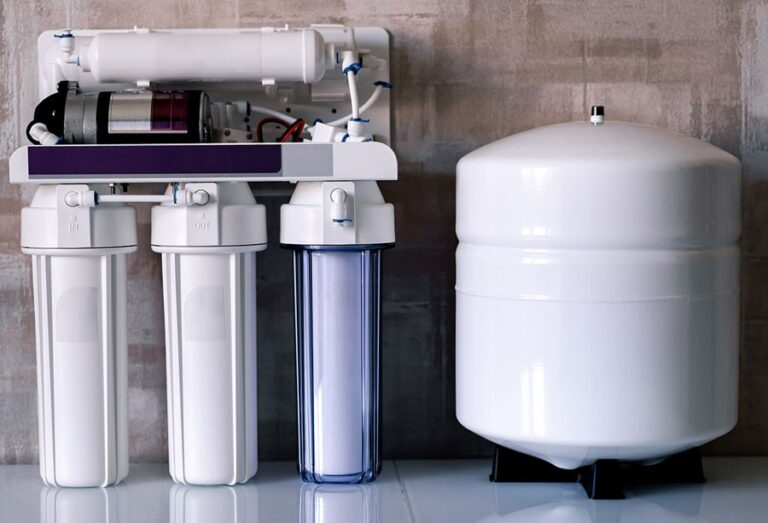
This is one reason many people begin exploring water testing and treatment options that align with their personal preferences.
Why Stains Sometimes Appear Out of Nowhere
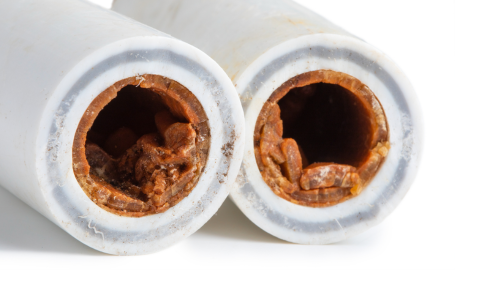
Have you ever noticed reddish-brown stains around sinks, toilets, or bathtubs and wondered where they came from?
In some cases, the answer may involve iron present in the water supply.
Iron can occur naturally in groundwater and may create staining issues when water comes into contact with air or surfaces. Homeowners are often surprised to learn that what appears to be a cleaning problem may actually be a water-quality issue.
The challenge with iron-related staining is that it tends to return repeatedly if the underlying cause isn’t addressed.
This can turn routine cleaning into a frustrating cycle that feels impossible to win.
Why Water Testing Matters More Than Guessing
When homeowners encounter water concerns, it’s tempting to jump straight to a solution.
A friend recommends a filter. An online article suggests a treatment system. A neighbor swears by a particular product.
The problem is that symptoms alone rarely tell the whole story.
Cloudy water, staining, unusual tastes, and appliance issues can all stem from different causes. Without accurate information, it’s easy to spend money on solutions that don’t address the real issue.
Water testing helps remove the guesswork. It provides a clearer understanding of the specific characteristics present in your water and allows for more informed decisions.
In many cases, knowledge itself becomes the most valuable tool.
The Benefits of Being Proactive
One interesting trend among homeowners is the growing interest in preventative water management.
Rather than waiting for problems to become severe, many people are choosing to learn more about their water before major issues develop. This proactive mindset often leads to better long-term outcomes.
Understanding water quality can help protect appliances, improve household efficiency, and reduce frustration associated with recurring maintenance issues.
It also creates confidence.
There’s something reassuring about knowing what’s flowing through your home’s plumbing system and understanding how it affects daily life.
Small Improvements Can Feel Surprisingly Significant
The benefits of improving water quality often appear gradually.
You may notice cleaner dishes, easier cleaning routines, more enjoyable showers, or better-tasting drinking water. None of these changes necessarily transforms your life overnight.
Yet together, they create a more comfortable living environment.
It’s similar to replacing an old mattress or improving home lighting. The difference may seem subtle at first, but over time it becomes difficult to imagine going back.
Water quality improvements often work the same way.
Paying Attention to What Flows Through Your Home
At the end of the day, water is more than just a utility. It’s a resource that touches nearly every aspect of home life.
From cooking and cleaning to bathing and drinking, the quality of your water influences countless daily experiences. While it’s easy to overlook, understanding your water can lead to smarter decisions, fewer frustrations, and greater peace of mind.
The next time you notice a stain, a taste change, or an appliance acting differently, it may be worth considering what your water is trying to tell you.
Sometimes the answers are flowing from the tap every single day—you just have to know where to look.