

There’s a moment most homeowners experience — usually small, almost forgettable — when they start questioning the water coming from their tap. Maybe it’s a faint metallic taste in a glass of water. Maybe it’s a cloudy look that disappears after a few seconds. Or maybe it’s simply curiosity sparked by reading one too many headlines about contaminants in municipal supplies.
For me, it started with coffee. My morning brew just didn’t taste right. Same beans. Same machine. But something felt off. That tiny shift led me down a surprisingly deep path into understanding how water quality affects everyday life. And once you notice it, it’s hard to ignore.
Water isn’t just something we drink. It’s what we cook with, brush our teeth with, fill baby bottles with. It’s part of our daily rhythm. So naturally, people are paying closer attention to what’s actually in it.
The Quiet Rise of Home Filtration
Over the past decade, home filtration systems have become less of a niche upgrade and more of a thoughtful investment. People want transparency. They want control. And honestly, they want peace of mind.
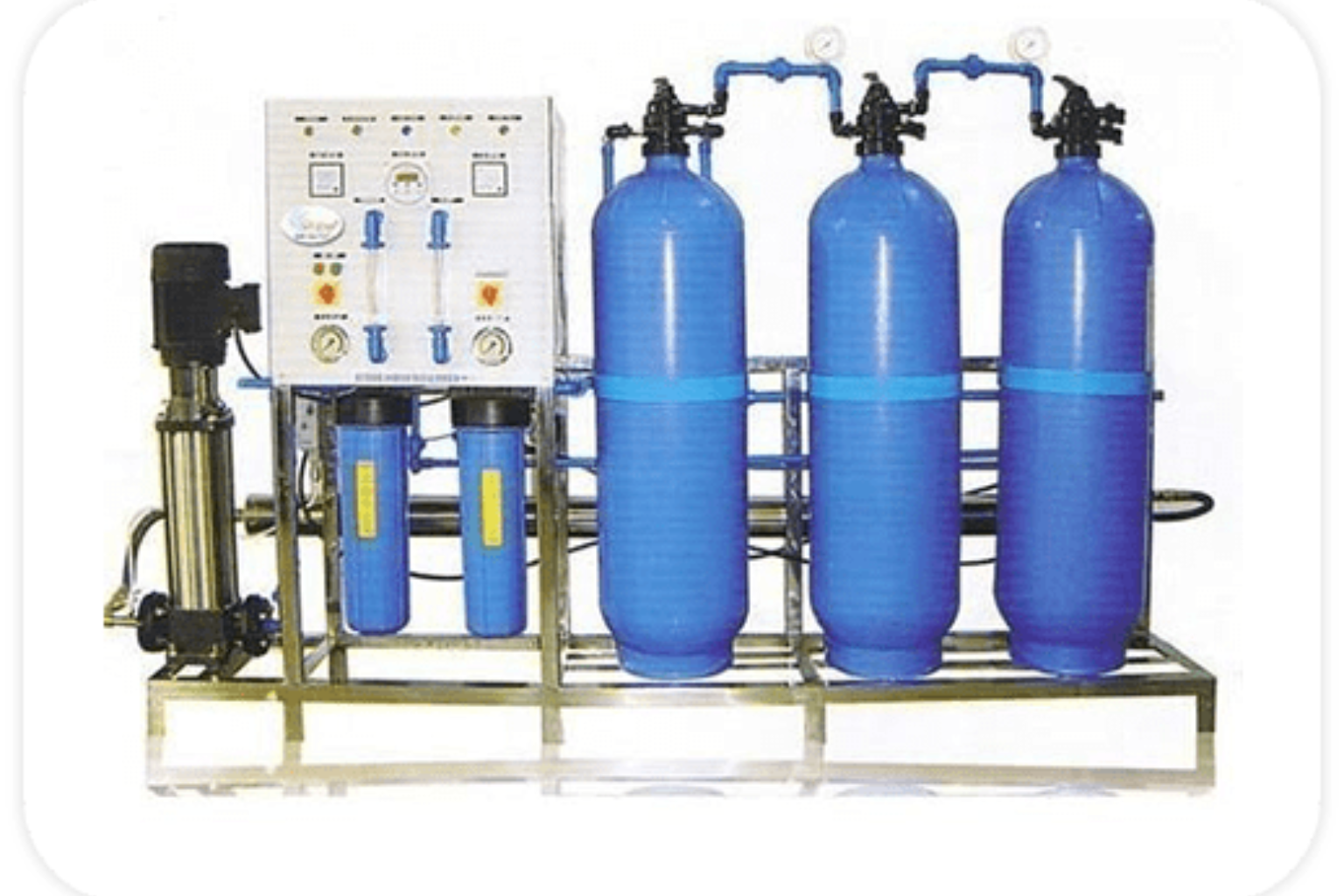
Among the options available, reverse osmosis systems tend to get a lot of attention — and for good reason. These systems work by pushing water through a semi-permeable membrane that filters out contaminants like lead, chlorine, fluoride, nitrates, and even certain bacteria. It’s a detailed process, almost surgical in its precision.
What’s interesting is how noticeable the change can be. Water tastes cleaner. Crisper. Some people describe it as “lighter,” though that might just be the absence of the heavy mineral aftertaste they’ve grown used to.
Reverse osmosis isn’t necessarily for everyone, though. It produces highly purified water, which can mean slower filtration speeds and some water waste during the process. That’s something worth weighing if sustainability is a priority for you.
Why Basic Filters Aren’t Always Enough
You’ve probably seen those pitcher filters in grocery stores. They’re convenient, affordable, and better than nothing. But they often only address surface-level concerns, primarily chlorine taste and odor.
For households that want something more comprehensive, drinking water filtration systems installed under the sink can offer a stronger solution. These systems target contaminants more aggressively than simple carbon filters. They’re designed specifically for water you consume — which, let’s be honest, is where most of our concern lies.
There’s a subtle comfort in filling a glass directly from the tap and knowing it’s been treated right there in your home. No hauling cases of bottled water. No wondering if the filter in your pitcher is overdue for replacement.
And speaking of bottled water — once you start filtering at home, it’s hard to justify the plastic waste. It feels like an outdated habit, honestly.
It’s About More Than Taste
When people think about filtration, taste is usually the first thing that comes up. And yes, flavor improves dramatically when chlorine and sediments are removed. But there’s more happening beneath the surface.
Long-term water quality improvement can support better appliance performance, reduce scale buildup, and even protect plumbing over time. It’s not always dramatic, but it’s meaningful.
There’s also the health angle. While municipal water in many regions meets regulatory standards, “meeting standards” doesn’t always mean optimal. Trace contaminants, aging infrastructure, and seasonal changes in water sources can all influence what ends up in your glass.
Installing a reliable filtration system is less about panic and more about prevention. It’s a proactive choice rather than a reactive one.
Choosing the Right System (Without Overcomplicating It)
Here’s where people often feel overwhelmed. There are so many options — countertop units, under-sink filters, full-scale whole-house setups. It’s easy to fall into analysis paralysis.
Start simple. Test your water. Many local companies offer free or low-cost testing, and the results can tell you exactly what you’re dealing with. Hardness? Chlorine levels? Heavy metals? Once you have that data, decisions become clearer.
If your main concern is safe drinking water, an under-sink filtration or reverse osmosis system might be enough. If you’re noticing scale buildup or strong odors throughout the house, a broader solution could make more sense.
And don’t forget maintenance. Even the best system won’t perform well if filters aren’t replaced on schedule. It’s not glamorous, but it’s essential.
The Investment Perspective
Let’s talk money for a second. Quality filtration systems do require upfront costs. Installation, replacement filters, occasional servicing — it adds up.
But compare that to years of bottled water purchases. Or the cost of replacing appliances prematurely due to mineral damage. Or even the intangible cost of worrying every time you pour a glass for your child.
Sometimes the investment isn’t just financial. It’s emotional.
There’s something grounding about knowing the basics — air, water, shelter — are taken care of. Clean water becomes less of an afterthought and more of a quiet assurance humming in the background of daily life.
A Personal Shift
After installing a proper filtration system, I stopped thinking about water entirely. And oddly enough, that’s the point.
Coffee tastes right again. Pasta boils without leaving residue on the pot. Guests refill their glasses without hesitation. It’s a small change that ripples outward.
Clean water shouldn’t feel like a luxury upgrade. It should feel normal. Effortless. Expected.
If you’ve been on the fence about improving your home’s water setup, maybe this is your nudge. Not because it’s trendy. Not because someone’s trying to sell you something. But because the water you drink every day deserves attention.
And once you experience the difference — even if it starts with something as simple as better-tasting coffee — you’ll probably wonder why you waited so long.