
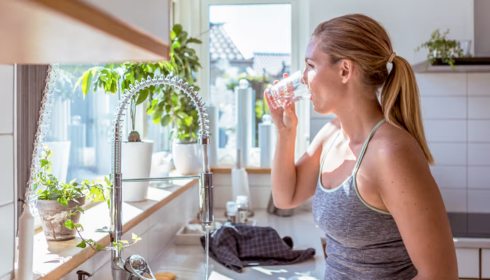

There’s a moment—usually small, almost forgettable—when people start caring about their water. Not in a dramatic, headline-grabbing way. More like… noticing the tea tastes slightly off, or the shower leaves your skin feeling tighter than it should. Nothing alarming. Just enough to make you pause.
And once you notice it, you don’t really un-notice it.
Water, for most of us, has always been a given. Turn the tap, it flows. But lately, more households are looking a little closer, asking simple questions that don’t always have simple answers. What’s in this water? Why does it behave the way it does? And maybe most importantly—can it be better?
Why Water Quality Feels More Personal Than Ever
It’s not just about safety anymore. Sure, that’s the baseline. But beyond that, people are starting to think about comfort, taste, and even long-term impact.
Take drinking water, for instance. You might not realize how much you rely on it until it doesn’t taste quite right. Suddenly, you’re buying bottled water or adding slices of lemon just to mask something you can’t quite describe.
That’s where the idea of healthy drinking water comes into focus—not as a luxury, but as a basic expectation. Clean, balanced, and free from that faint metallic or chlorine-like edge. It’s the kind of water you don’t have to think about, which, ironically, is exactly what makes it valuable.
The Hidden Personality of Hard Water
If water had personalities, hard water would be the stubborn one. It doesn’t adapt easily. It leaves its mark—literally—on everything it touches.
You see it on faucets, on tiles, inside kettles. That chalky residue that builds up over time? That’s minerals like calcium and magnesium doing their thing. Not dangerous, but definitely inconvenient.
And then there’s the way it interacts with soap. You use more, it lathers less, and somehow your clothes still don’t feel quite clean.
Over time, these small annoyances start to stack up. That’s why so many homeowners begin exploring hard water solutions, not out of urgency, but out of quiet frustration. It’s less about fixing a problem and more about improving the everyday experience.
Appliances Tell the Story Too
Here’s something people often overlook—your appliances notice your water quality long before you do.
Water heaters, dishwashers, washing machines… they’re all working behind the scenes, dealing with whatever comes through the pipes. And when that water is heavy with minerals, it takes a toll.
Efficiency drops. Energy usage creeps up. Repairs become more frequent.
It’s not dramatic. There’s no sudden breakdown (usually). But over time, the wear becomes obvious. And by then, you’re left wondering if things could’ve been different with a bit of foresight.
The Subtle Art of Keeping Things Clean
There’s a certain satisfaction in a spotless bathroom or a gleaming kitchen sink. But if you’ve ever scrubbed away stubborn white spots only to see them return days later, you know the struggle.
This is where scale prevention becomes more than just a technical term. It’s about reducing that constant cycle of cleaning and re-cleaning. It’s about keeping surfaces looking the way they should without extra effort.
And honestly, it changes how you feel about maintaining your space. Less frustration, fewer harsh chemicals, more time spent actually enjoying your home.
It’s Not Just About Systems—It’s About Awareness
What’s interesting is that many people don’t start with equipment. They start with curiosity.
A simple water test, for example, can reveal things you wouldn’t have guessed. Mineral levels, pH balance, trace elements—it’s like getting a behind-the-scenes look at something you’ve taken for granted your entire life.
And once you have that information, decisions feel less overwhelming. You’re not guessing anymore. You’re choosing based on what your home actually needs.
Small Changes, Real Impact
Not every solution requires a complete overhaul. Sometimes, it’s as simple as adding a targeted filter or making a small adjustment to your plumbing setup.
Other times, it’s a bit more involved—a system that treats water at the entry point, ensuring consistency throughout the house.
Either way, the goal isn’t perfection. It’s improvement.
Better-tasting water. Softer laundry. Less buildup. Fewer headaches.
And these changes don’t just affect one part of your routine—they ripple outward, touching everything from your morning coffee to your evening shower.
Living With Better Water (You’ll Notice, Eventually)
The funny thing about improving water quality is that it doesn’t feel dramatic. There’s no single moment where everything suddenly clicks.
Instead, it’s a series of small realizations.
Your soap lasts longer. Your glassware looks clearer. Your skin doesn’t feel as dry. You stop thinking about buying bottled water.
It’s almost like your home becomes a little easier to live in. Not in a flashy way—just… smoother.
A Thought to Leave You With
Water is one of those things we rely on without much thought—until something feels off. And when it does, it’s not just about fixing a problem. It’s about rethinking what “normal” should feel like.
Cleaner, softer, better-balanced water doesn’t demand attention. It doesn’t need to. It simply does its job, quietly improving the spaces and routines we care about most.
And maybe that’s enough. Maybe that’s exactly what we need.