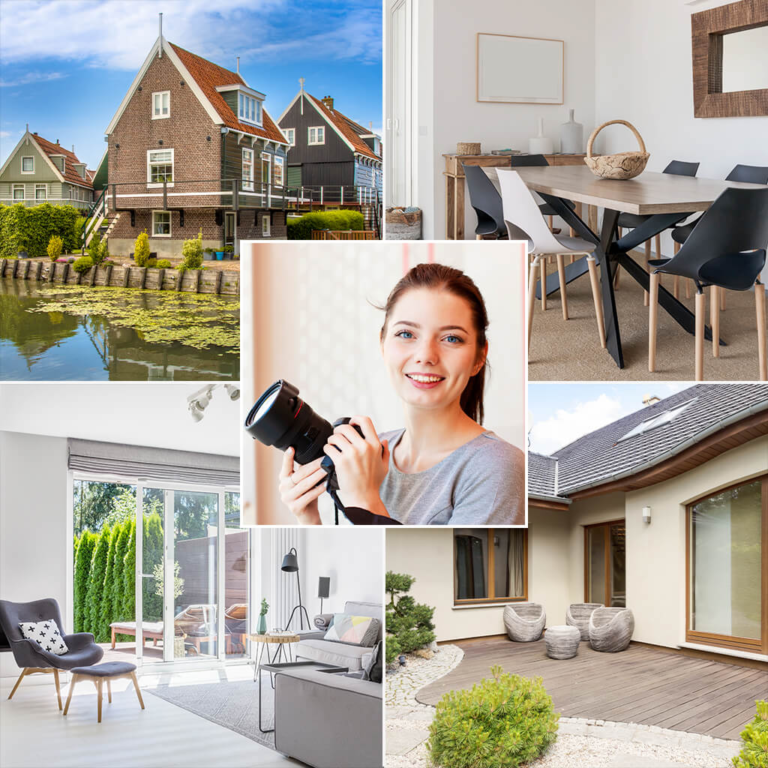
In today’s digital age, the first impression a potential buyer has of a property is often through photographs. High-quality images can make all the difference between a listing that attracts buyers and one that gets overlooked. Real estate photography is more than just snapping pictures; it’s about capturing the essence and appeal of a property in a way that resonates with buyers. Whether you’re a professional photographer or a real estate agent taking your own photos, these tips will help you create stunning images that attract more buyers.
1. Invest in the Right Equipment
The foundation of great real estate photography starts with the right equipment. A good DSLR camera with a wide-angle lens is essential. Wide-angle lenses capture more of the room, making spaces look larger and more inviting. A tripod is also crucial to ensure stability and prevent blurry images. For added professionalism, consider investing in external lighting and a flash, especially for properties with dim lighting.
2. Understand the Importance of Lighting
Lighting can make or break a real estate photo. Natural light is your best friend, so schedule your photoshoots during the day when the light is bright but soft. Avoid shooting at noon when the light is harsh and creates unwanted shadows. Instead, aim for early morning or late afternoon when the light is warmer and more diffused. If natural light isn’t available, use artificial lighting strategically to brighten up the space without washing out the colors.
3. Stage the Property
Before you start snapping pictures, make sure the property is well-staged. Declutter the space and remove any personal items that might distract potential buyers. A clean, neutral space allows buyers to envision themselves living in the property. Add small touches like fresh flowers, a bowl of fruit, or a cozy throw to make the space feel more inviting.
4. Focus on Composition
Composition is key in real estate photography. The rule of thirds is a helpful guideline: imagine the image is divided into nine equal parts by two equally spaced horizontal and vertical lines. Place the most important elements of the room along these lines or at their intersections. This creates a balanced and visually appealing image. Also, try to shoot from a corner to give a sense of depth and space.
5. Highlight Key Features
Every property has unique features that set it apart from others. Whether it’s a beautiful fireplace, a spacious kitchen, or a stunning view, make sure to highlight these features in your photos. Take close-up shots to capture the details and use wide-angle shots to show how these features fit into the overall space. By focusing on what makes the property special, you’ll attract buyers who are specifically looking for those features.
6. Capture the Exterior
The exterior of the property is just as important as the interior. Start by capturing the front of the house, as this will likely be the first image potential buyers see. Make sure the lawn is well-maintained, the driveway is clear, and any outdoor furniture is arranged neatly. Don’t forget to photograph the backyard, garden, or any outdoor amenities like a pool or patio. Aerial shots taken with a drone can also provide a unique perspective, showcasing the property’s location and surroundings.
7. Use HDR Photography
High Dynamic Range (HDR) photography involves taking multiple exposures of the same scene and blending them together to create a balanced image. This technique is particularly useful in real estate photography, where lighting conditions can vary greatly within a single shot. HDR helps to bring out the details in both the shadows and highlights, resulting in a more realistic and appealing image.
8. Edit Your Photos
Editing is a crucial step in the real estate photography process. Use photo editing software to adjust the brightness, contrast, and saturation of your images. Straighten any crooked lines and remove any unwanted objects or blemishes. However, be careful not to over-edit. The goal is to enhance the natural beauty of the property, not to create an unrealistic portrayal.
9. Show the Flow of the Space
When photographing a property, it’s important to show how the rooms connect to each other. This helps buyers get a sense of the layout and flow of the space. Take photos from doorways or hallways that show how one room leads into another. If possible, include floor plans in your listing to give buyers a clear understanding of the property’s layout.
10. Pay Attention to Angles
The angle at which you shoot can greatly affect how a room appears in photos. Shooting from a low angle can make furniture and objects appear larger, while shooting from a higher angle can make a space look more open. Experiment with different angles to see which ones best capture the room’s dimensions and features. Avoid extreme angles that distort the space or make it look unnatural.
11. Don’t Forget the Details
While wide-angle shots are important for showing the overall space, don’t forget to capture the details. Close-up shots of unique fixtures, finishes, or architectural details can add interest to your listing and help buyers appreciate the quality and craftsmanship of the property. These detail shots can also be used to break up the wide shots in your listing, creating a more engaging visual experience.
12. Capture Seasonal Appeal
If the property has outdoor spaces, consider capturing the seasonal appeal. For example, if the garden is in full bloom during the spring, take photos that showcase the colorful flowers and lush greenery. In the winter, highlight any cozy outdoor features like a fire pit or covered patio. Showing the property’s appeal throughout the seasons can help buyers envision living there year-round.
13. Be Mindful of Reflections
Reflections can be a challenge in real estate photography, especially in rooms with mirrors or glass surfaces. Be mindful of where you position yourself to avoid capturing unwanted reflections in your photos. If necessary, use photo editing software to remove or minimize reflections that distract from the overall image.
14. Capture the Neighborhood
The neighborhood and surroundings can be a major selling point for a property. Take photos of nearby parks, schools, shopping centers, or other amenities that might attract buyers. If the property has a great view, make sure to capture it in your photos. Showing the neighborhood helps buyers understand the lifestyle that comes with the property.
15. Use Virtual Staging
If the property is vacant, virtual staging can be an effective way to show its potential. Virtual staging involves digitally adding furniture and decor to the photos to make the space look lived-in and inviting. This is often more cost-effective than traditional staging and allows for more flexibility in how the space is presented.
16. Include a Variety of Shots
When creating a real estate listing, it’s important to include a variety of shots that show different aspects of the property. Start with a wide shot of each room to give an overview, then follow up with detail shots that highlight key features. Include both interior and exterior photos, and don’t forget to capture any special amenities. A well-rounded set of photos gives buyers a complete picture of the property.
17. Optimize Your Images for the Web
In addition to taking great photos, it’s important to optimize your images for online viewing. Compress your images to reduce file size without sacrificing quality, so they load quickly on the web. Use descriptive file names and alt text that include relevant keywords, such as “modern-kitchen-real-estate-photo.jpg.” This not only helps with search engine optimization (SEO) but also makes your images more accessible to users with visual impairments.
18. Create a Virtual Tour
In today’s real estate market, virtual tours have become increasingly popular. A virtual tour allows buyers to explore the property from the comfort of their own home. There are various tools available that can help you create a 360-degree tour or a video walkthrough. Adding a virtual tour to your listing can increase engagement and attract more serious buyers.
19. Consider the Buyer’s Perspective
When taking photos, always consider the buyer’s perspective. What are the most important features to highlight? What angles and compositions will make the property look most appealing? Put yourself in the buyer’s shoes and think about what they would want to see in the photos. By focusing on the buyer’s needs and preferences, you’ll create images that resonate and encourage them to take the next step.
20. Keep the Photos Updated
If the property has been on the market for a while, it’s important to keep the photos updated. Seasonal changes, renovations, or improvements to the property should be reflected in the listing photos. Updated photos show that the property is well-maintained and can reignite interest from potential buyers who may have seen the listing before.
21. Collaborate with a Professional
If you’re not confident in your photography skills, consider collaborating with a professional real estate photographer. A professional has the expertise and equipment to capture the property in the best light, ensuring that your listing stands out. While it may be an additional investment, the potential return in terms of buyer interest and faster sales can be well worth it.
22. Prepare for the Shoot
Preparation is key to a successful real estate photoshoot. Make sure the property is clean, staged, and ready to be photographed before you start. Walk through the property and make a list of the shots you want to capture. Consider the time of day and lighting conditions to ensure the best results. By preparing in advance, you’ll be able to capture the property in its best light.
23. Analyze and Learn from Feedback
After your listing goes live, pay attention to the feedback you receive from potential buyers and real estate agents. Analyze which photos are getting the most attention and which ones might be overlooked. Use this feedback to refine your photography skills and improve future listings.
Conclusion
Real estate photography is a powerful tool in attracting buyers and selling properties quickly. By investing in the right equipment, understanding the importance of lighting and composition.