
Home Blog Page 2

The Infrastructure Decisions That Matter Long After Construction Ends

0

A construction project is often judged by what can be seen when the work is completed, but the true measure of success is determined by how well the infrastructure performs years later. The decisions made during planning and installation continue to influence safety, efficiency, maintenance requirements, and operating costs long after contractors leave the site. Selecting dependable components such as pressure pipe fittings, drainage systems, and underground service infrastructure is essential for creating networks that remain reliable under changing conditions.

Infrastructure challenges often take time to manifest. They arise slowly due to material selection, lack of proper planning, faulty installation procedures, and even not anticipating future needs. Infrastructure becomes much harder to repair once it has been buried, enclosed, or integrated into larger projects. The construction of modern infrastructure needs more than fulfilling the bare construction needs. It is important for engineers and builders to think about how the materials will stand up to environmental conditions, usage, and growth. Every decision that is made impacts the result.

An effective infrastructure approach will ensure durability, compatibility, accessibility, and optimal performance throughout its entire lifecycle. Although some decisions do not appear to matter much during the construction phase, they could result in serious issues over the course of many years when the system is in use. This article discusses the most important long-term infrastructure decisions and shows how careful planning, choosing the right materials, and proper installation can reduce future costs and problems. 

Why Material Selection Is One of the Most Important Infrastructure Decisions

Construction materials form the foundation of all infrastructure projects. While the design outlines the desired performance, the quality and appropriateness of materials used define whether this performance will be achieved in practice. Infrastructure elements are constantly exposed to pressures from their surrounding environment. Ground movements, exposure to moisture, temperature changes, chemical factors, operating pressures, and mechanical loads might all influence the performance of elements that are not constructed using suitable materials.

One of the most common mistakes in construction is choosing materials based only on initial purchase cost. Although lower-cost options may reduce early expenses, they can result in greater costs throughout the life of the project. Repairs, replacements, labour requirements, and service interruptions often outweigh the original savings. A better approach is to consider the complete lifecycle of each material. This includes installation requirements, expected service life, maintenance needs, environmental resistance, and future replacement costs. Materials that provide consistent performance over many years often deliver better overall value.

Compatibility is another important consideration. Infrastructure systems are rarely independent. Water networks, drainage systems, electrical services, and structural elements must operate together as part of a complete environment. A material that performs well in isolation may create problems if it does not suit the wider system design. For example, pressurised water networks rely on secure connections that can maintain performance under continuous operating conditions. Components must be capable of handling pressure changes, environmental exposure, and long-term use without compromising system reliability.

Technical specifications should always be followed when selecting the materials. Engineers and project managers need to consider issues like strength ratings, pressure ratings, ability to resist corrosion, and other related aspects. This will give an indication of the suitability of a particular product for the intended use. Environmental considerations also play a significant role. Materials that are to be used in coastal regions or in any area that has aggressive soils, or where there is significant contact with water, will have different criteria than others.

Another critical consideration is adaptability to future changes. Infrastructure may have to adjust to new requirements because of population growth, improvements in technology, or other reasons. Choosing the materials and designs that allow easy adaptation will ensure a smooth process and flexibility going forward. The choices made during the selection process lay the groundwork for future performance. Prioritizing suitability and durability over cost savings alone can help design infrastructure that will prove reliable during its entire lifespan.

Building Reliable Drainage Systems That Continue Performing Over Time

Effective water management is an essential part of infrastructure design. Poorly designed drainage systems can lead to flooding, erosion, damage to infrastructure and the environment, and ongoing problems even after construction is completed. Urbanization has increased the need for proper drainage systems. With the growing coverage of a territory by buildings, roads, and pavement, there is a reduced capacity to absorb rainwater.

Effective drainage requires different aspects to be taken into consideration, such as appropriate design, proper materials, correct installation, and maintenance. Every junction in the system contributes to its efficiency. Good quality stormwater pipe fittings are very important for the creation of effective drainage systems because they join segments of pipes and provide structural strength to the drainage system when dealing with varied levels of water flow. Inadequate choice and improper installation of fittings will result in leaks, separation spots, and a decrease in the effectiveness of the drainage system.

Another common misconception is designing drainage systems based only on current conditions. It is important to plan for the future and take into account the possible development, changes in rainfall patterns, and an increase in the demand placed on drainage systems. Adequate planning will help you avoid expensive modifications to the infrastructure in the future. It is necessary to make sure that there is enough capacity in the drainage system in relation to the particular location of your house.

Installation quality has a direct impact on drainage performance. Even high-quality products cannot perform properly when installation methods are incorrect. Factors such as trench preparation, alignment, joint connections, surrounding materials, and protective measures all influence the outcome. The materials surrounding drainage components are also important. Many drainage systems rely on filtration layers and supporting materials that allow water movement while reducing soil migration. Incorrect surrounding materials can contribute to blockages and reduce long-term efficiency.

Maintenance planning should be included from the beginning of the project. Drainage systems that allow inspection and access are easier to monitor and maintain. Regular checks help identify developing issues before they become major failures. Sustainable water management is also becoming a greater focus in modern construction. Effective drainage design should not only remove excess water but also consider environmental impacts, water quality, and proper management of surface water runoff. A reliable drainage system protects more than just the area where it is installed. It helps preserve roads, foundations, landscaping, and surrounding infrastructure. Investing in quality drainage decisions during construction reduces risks and supports long-term performance.

Protecting Underground Services Through Better Planning and Installation

Many of the services that support modern communities operate beneath the surface. Electrical networks, communication systems, and utility connections depend on carefully planned underground infrastructure to function safely and efficiently. Underground installation provides protection from weather exposure and helps maintain cleaner, more organised environments. However, once these systems are covered, accessing them for repairs or upgrades can be difficult. This makes early planning and material selection extremely important.

Electrical infrastructure requires reliable protection to prevent damage from moisture, soil pressure, accidental impact, and environmental conditions. Properly selected electrical pipes provide a protective pathway that helps safeguard cables and maintain system reliability. One of the biggest challenges with underground services is limited accessibility. Poor planning can make future maintenance expensive and disruptive, especially when excavation is required to locate or repair buried infrastructure.

A well-designed underground system supports current needs while allowing for future requirements. This includes allowing additional capacity, creating suitable access points, and ensuring service routes are clearly documented. Environmental conditions should always be assessed before selecting underground materials. Components may experience constant exposure to moisture, temperature changes, chemical conditions, and ground movement. Materials must be chosen based on their ability to withstand these challenges over an extended period.

Installation accuracy is equally important. Incorrect positioning, insufficient protection, or poor coordination between construction teams can create problems that remain hidden until a failure occurs. Clear communication between engineers, contractors, and service providers helps reduce these risks. Safety is a critical consideration when dealing with electrical infrastructure. Protective systems must support safe operation and reduce hazards for installation teams, maintenance workers, and the public. Following appropriate standards and installation practices helps maintain system integrity.

Future expansion of the system must also be considered. Infrastructure needs can vary greatly in the future, and an adaptable design makes the upgrading process cheaper and easier. Documentation is also an important element in underground infrastructure planning. Proper documentation of the location and type of the services, as well as how they were installed, makes the maintenance process easier.

The infrastructure that is installed underground usually does not receive much attention after the construction process is over, although its significance does not diminish at any point in time. Planning the construction process and using appropriate materials will ensure that the underground infrastructure will last for decades to come.

In Brief

The most important infrastructure decisions are often made before the final results are visible. The choice of materials, proper planning of the drainage system, and appropriate installation of underground services will affect the functionality of a development long after the construction process finishes. The selection of reliable pressure pipe fittings, stormwater pipe fittings, and electrical pipes cannot be made on the basis of cost alone.

What Your Water Might Be Telling You About Your Home

0

The Everyday Resource We Rarely Think About

Water is one of those things that quietly supports nearly every part of our daily lives. We use it before we’ve fully woken up and often right before going to bed. It brews our coffee, washes our clothes, fills our glasses, and helps keep our homes running smoothly.

Because it’s always there, most of us don’t spend much time thinking about it.

That is, until something feels off.

Maybe your dishes come out of the dishwasher looking cloudy. Perhaps your shower leaves your skin feeling unusually dry. Sometimes it’s a strange taste in your drinking water or stains appearing around sinks and fixtures. These little signs often seem unrelated, but they can actually tell an interesting story about what’s happening in your home’s water supply.

The truth is, water has characteristics that vary significantly from one area to another, and understanding those characteristics can make a surprising difference in daily life.

Why Water Is Different From One Home to Another

Many homeowners assume water is essentially the same everywhere. After all, it looks clear and flows from the tap.

But water takes a long journey before it reaches your home. It moves through underground rock formations, treatment facilities, storage systems, and miles of infrastructure. Along the way, it picks up minerals and develops characteristics unique to the area where it originates.

That’s why two households located only a few miles apart can experience completely different water-related challenges.

Local geology, municipal treatment methods, and plumbing systems all play a role in shaping the water that ultimately arrives at your faucet.

Understanding those differences is often the first step toward improving your experience at home.

The Signs Are Often Easy to Miss

One reason homeowners frequently overlook water quality issues is because the changes tend to happen gradually.

A faucet develops a little buildup. The dishwasher seems slightly less effective. The water heater doesn’t perform quite as efficiently as it once did.

These small changes don’t usually create immediate concern. In fact, many people assume they’re simply part of owning a home.

Over time, however, those seemingly minor inconveniences can become more noticeable and more expensive.

That’s when people begin asking questions about their water.

When Minerals Start Creating Problems

One of the most common water concerns across many regions is hard water.

Hard water contains elevated levels of naturally occurring minerals, primarily calcium and magnesium. While these minerals are not necessarily harmful, they can create practical challenges throughout a home.

Mineral deposits may accumulate on plumbing fixtures, shower doors, and household appliances. Soap may not lather as effectively. Laundry can sometimes feel stiff after washing.

The frustrating part is that hard water rarely announces itself dramatically. Instead, it slowly influences everyday routines until homeowners begin noticing its effects everywhere.

Once people recognize the connection, many are surprised by how much water quality has been affecting their daily lives.

The Role of Municipal Water Treatment

In many communities, public water systems use treatment methods designed to improve safety and protect public health.

One commonly used treatment component is chlorine, which helps control bacteria and other microorganisms during the water distribution process.

While this process serves an important purpose, some homeowners notice changes in taste or odor associated with treated water. A slight chemical smell or flavor may become more noticeable when drinking water directly from the tap.

Not everyone is sensitive to these differences, but for those who are, even subtle changes can influence how much they enjoy their water.

This is one reason many people begin exploring water testing and treatment options that align with their personal preferences.

Why Stains Sometimes Appear Out of Nowhere

Have you ever noticed reddish-brown stains around sinks, toilets, or bathtubs and wondered where they came from?

In some cases, the answer may involve iron present in the water supply.

Iron can occur naturally in groundwater and may create staining issues when water comes into contact with air or surfaces. Homeowners are often surprised to learn that what appears to be a cleaning problem may actually be a water-quality issue.

The challenge with iron-related staining is that it tends to return repeatedly if the underlying cause isn’t addressed.

This can turn routine cleaning into a frustrating cycle that feels impossible to win.

Why Water Testing Matters More Than Guessing

When homeowners encounter water concerns, it’s tempting to jump straight to a solution.

A friend recommends a filter. An online article suggests a treatment system. A neighbor swears by a particular product.

The problem is that symptoms alone rarely tell the whole story.

Cloudy water, staining, unusual tastes, and appliance issues can all stem from different causes. Without accurate information, it’s easy to spend money on solutions that don’t address the real issue.

Water testing helps remove the guesswork. It provides a clearer understanding of the specific characteristics present in your water and allows for more informed decisions.

In many cases, knowledge itself becomes the most valuable tool.

The Benefits of Being Proactive

One interesting trend among homeowners is the growing interest in preventative water management.

Rather than waiting for problems to become severe, many people are choosing to learn more about their water before major issues develop. This proactive mindset often leads to better long-term outcomes.

Understanding water quality can help protect appliances, improve household efficiency, and reduce frustration associated with recurring maintenance issues.

It also creates confidence.

There’s something reassuring about knowing what’s flowing through your home’s plumbing system and understanding how it affects daily life.

Small Improvements Can Feel Surprisingly Significant

The benefits of improving water quality often appear gradually.

You may notice cleaner dishes, easier cleaning routines, more enjoyable showers, or better-tasting drinking water. None of these changes necessarily transforms your life overnight.

Yet together, they create a more comfortable living environment.

It’s similar to replacing an old mattress or improving home lighting. The difference may seem subtle at first, but over time it becomes difficult to imagine going back.

Water quality improvements often work the same way.

Paying Attention to What Flows Through Your Home

At the end of the day, water is more than just a utility. It’s a resource that touches nearly every aspect of home life.

From cooking and cleaning to bathing and drinking, the quality of your water influences countless daily experiences. While it’s easy to overlook, understanding your water can lead to smarter decisions, fewer frustrations, and greater peace of mind.

The next time you notice a stain, a taste change, or an appliance acting differently, it may be worth considering what your water is trying to tell you.

Sometimes the answers are flowing from the tap every single day—you just have to know where to look.


 I Didn’t Realise My Curtains Held So Much Dust Until Happy Clean Helped

0

I used to think my curtains were clean because they looked clean.

That was the problem.

They hung neatly on either side of the living room window, a soft grey colour that matched the sofa and kept the room feeling calm. From a distance, there was nothing obviously wrong with them. No stains. No marks. No dramatic patches of dirt. If someone had walked into the room, they probably would have said the place looked tidy.

But the room never felt as fresh as it should have.

I live in Dublin, and like many homes here, mine gets its fair share of damp air, traffic dust, and that hard-to-describe indoor stuffiness that seems to settle in during colder months. I vacuum regularly. I wipe surfaces. I open windows when the weather allows. Still, every time I sat down in the living room, there was a stale feeling in the air.

At first, I blamed the usual suspects. Maybe the sofa needed airing. Maybe the rug was holding onto smells. Maybe the room simply needed more ventilation. I even bought a new reed diffuser, which helped for about two days before the same dusty, heavy feeling came back.

Then one morning, when the sunlight hit the curtains at just the right angle, I saw it.

Dust.

Not a small amount either. A fine layer lifted into the air when I moved the curtain to open the window. It caught the light like smoke. I stood there watching it float around the room, slightly horrified, realising that the fabric I had barely thought about was probably one of the main reasons the room felt stale.

That was when I started thinking seriously about curtain cleaning Dublin services.

The Curtains Looked Fine, But the Room Didn’t Feel Fresh

The strange thing about curtains is that they can hide the problem well. Unlike a dusty shelf or a dirty floor, curtains do not always look obviously unclean. They hang there quietly, collecting everything the room gives them.

Dust from open windows. Cooking smells drifting from the kitchen. Pet hair. Pollen. Moisture from the air. General household odours. All of it settles into the fibres over time.

I had washed smaller fabric items before, like cushion covers and throws, but the curtains always felt more complicated. They were heavy, lined, and awkward to remove. I was also worried about shrinking them or damaging the fabric by putting them through the wrong type of wash.

So I ignored them.

That is probably what many people do. Curtains become part of the background. You notice them when choosing colours or redecorating, but not much after that. Unless there is a visible stain, they rarely seem urgent.

In my case, the urgency came from how the room felt. It was not dirty exactly. Just dull. The air felt heavier than it should have, especially in the evenings when the windows were closed. I also noticed myself sneezing more often when sitting near the window.

I would not say I have severe allergies, but I am sensitive to dust. Once I made the connection between the curtains and the air in the room, it was hard to ignore.

Why I Decided Against Cleaning Them Myself

My first instinct was to search for a DIY solution. I looked at the care label, checked a few cleaning tips, and considered taking the curtains down myself.

Then reality kicked in.

The curtains were large. Getting them down would be annoying. Getting them back up would be worse. I also had no idea whether the lining would react badly to water or heat. The last thing I wanted was to clean them and end up with shrunken, wrinkled curtains that no longer touched the floor properly.

There was also the sofa to think about. Once I started noticing dust in the curtains, I began noticing the fabric furnishings around them too. The sofa arms had that slightly tired feel, and the cushions seemed to hold onto smells even after vacuuming.

That led me to look not only for curtain cleaning but also for upholstery cleaning Dublin options. I wanted someone who understood fabric properly, not just a general quick clean.

I searched for professional cleaners Dublin and looked for a service that seemed comfortable dealing with curtains, upholstery, and household fabrics. I did not want anything overly harsh or rushed. I wanted the room to feel cleaner, but I also wanted the fabric handled carefully.

That is when I contacted Happy Clean.

Contacting the Cleaning Team

The first thing I appreciated was that I did not feel pushed into booking something I did not understand. I explained the issue: the curtains looked okay, but the room felt dusty and stale, and I was concerned about allergens and trapped odours.

They asked practical questions. What type of curtains were they? Were they lined? How long had they been hanging? Did I have pets? Were there any visible stains or just general dust and odour?

That alone made me feel better. It showed that fabric cleaning is not a one-size-fits-all job. Different materials need different care, and curtains are not the same as carpets or hard floors. They hold dust differently. They react differently to moisture. They can also be damaged if treated too aggressively.

We arranged a visit, and I decided to have the nearby upholstery checked as well. If the curtains were holding that much dust, it made sense to look at the whole seating area.

What They Inspected Before Cleaning

When the team arrived, they did not just start cleaning immediately. They inspected the curtains first, checking the fabric, lining, seams, and any areas where dust had built up more heavily.

They also looked at the folds. That was something I had not considered. Dust was not evenly spread across the curtain surface. It had settled deeper into the pleats and along the lower sections, especially near the floor and window ledge.

The area near the window was worse than I expected. It made sense once they pointed it out. Curtains sit between the outside air and the inside room. Every time the window opens, they catch particles from outside. In a city like Dublin, that can mean traffic dust, pollen, and general outdoor grime.

They inspected the sofa too, especially the arms and back cushions. Again, nothing looked terrible, but the fabric had clearly absorbed everyday use. This is where fabric cleaning Dublin started to make more sense to me as a broader idea. It was not just about removing visible dirt. It was about refreshing the materials that quietly affect how a room feels.

How the Fabric Cleaning Was Handled

The cleaning process was careful and methodical. There was no dramatic soaking or harsh chemical smell, which I had been worried about. The team treated the curtains according to the fabric type and focused on lifting dust and trapped particles without over-wetting the material.

They worked through the curtain folds, paying attention to areas I would never have cleaned properly myself. Watching the process made me realise how much dust can sit inside fabric even when the surface appears normal.

The upholstery cleaning was handled in a similar way. The sofa was inspected, treated, and cleaned with attention to the areas that get the most contact. Armrests, cushion edges, and the upper back of the sofa needed more work than the less-used sections.

What stood out to me was the difference between vacuuming and proper fabric cleaning. I vacuum the sofa and curtains occasionally with an attachment, but it only removes surface debris. It does not properly deal with embedded dust, stale odours, or the fine particles that sit deeper in the fibres.

Professional cleaning felt more thorough. Not aggressive. Just deeper.

The Room Felt Different Afterwards

The biggest change was not visual, although the curtains did look better. They seemed lighter somehow, with the fabric hanging more naturally. The sofa also looked fresher, especially in the areas that had become slightly dull from everyday use.

But the real difference was the air.

The room felt cleaner.

That may sound vague, but it was obvious. The stale feeling was gone. When I opened and closed the curtains, I no longer saw dust lifting into the sunlight. The room smelled neutral rather than perfumed, which I actually preferred. It did not feel like a fragrance had been sprayed over the problem. It felt like the source of the problem had been reduced.

Over the next few days, I noticed I was sneezing less in the room. I also stopped getting that dusty sensation when sitting near the window. The space felt easier to relax in, especially in the evenings when the windows were closed.

It made me realise that freshness is not always about adding scent. Sometimes it is about removing what fabric has been holding onto for too long.

What I Learned About Curtains and Dust

The main lesson was simple: curtains need more attention than most people give them.

They are large pieces of fabric sitting in one place for months or years. They collect dust every day, but because they do it slowly, you do not notice. By the time the room starts feeling stale, the curtains may already be holding a surprising amount of debris.

I also learned that clean-looking fabric is not always clean fabric. That applies to curtains, sofas, cushions, and other soft furnishings. If a room feels dusty despite regular cleaning, the issue may not be the hard surfaces. It may be the textiles.

Another lesson was that professional help is worth considering when the fabric is large, lined, delicate, or difficult to remove. I am happy to clean many things myself, but curtains are awkward. The risk of damaging them was not worth it, especially when the result from professional cleaning was so much better than anything I could have managed with a vacuum attachment.

Why I Would Not Wait So Long Next Time

I used to think curtain cleaning was something people did only after a stain, a spill, or a renovation. Now I see it differently. It is part of keeping a room healthy and fresh, especially if you are sensitive to dust or live in an area where outdoor particles easily make their way inside.

In Dublin, where homes often deal with damp weather, closed windows, and city air, fabric furnishings can hold more than we realise. Curtains, in particular, act almost like filters. That sounds useful until you remember that filters need cleaning.

I would not say everyone needs to clean their curtains constantly. But ignoring them for years is probably not wise either. If the room feels stale, if dust appears when the fabric moves, or if allergies seem worse indoors, curtains are worth checking.

For me, the service from Happy Clean changed how I think about home freshness. It was not just about making the curtains look nicer. It reduced dust, improved the feel of the room, and made the space more comfortable to live in.

Now, when I clean the living room, I do not only look at shelves, floors, and surfaces. I look at the fabrics too.

Because sometimes the thing making a room feel dusty is not what you can see.

It is what the curtains have been holding all along.

Rojo Alicante Marble: A Timeless Choice for Elegant Interiors

Natural stone has always been a symbol of luxury and sophistication in modern architecture. Among the many premium marble options available today, Rojo Alicante Marble stands out because of its rich red tones, unique veining, and timeless appeal. This marble is widely used in homes, hotels, offices, and commercial spaces where elegance and durability are equally important. Its striking appearance can instantly transform any ordinary space into a luxurious masterpiece.

What Is Rojo Alicante Marble?

Rojo Alicante Marble is a natural stone originally quarried in Spain. It is famous for its deep red background combined with white and light-colored veins that create an artistic and elegant appearance. This marble is highly popular among architects and interior designers because it adds warmth and sophistication to any setting.

The beauty of this marble lies in its natural patterns. No two slabs are exactly the same, making every installation unique. Whether used in flooring, countertops, staircases, or decorative walls, this marble creates a premium visual effect that enhances the overall interior design.

Unique Features of Rojo Alicante Marble

One of the biggest reasons for the popularity of this marble is its distinctive color combination. The deep red shade creates a bold statement, while the natural veins add balance and elegance. This combination makes it suitable for both traditional and modern interiors.

Another impressive feature is its durability. Marble is known for its strength, and this variety is no exception. With proper maintenance, it can maintain its polished appearance for many years. Its smooth finish and reflective surface also help brighten interiors by enhancing natural and artificial light.

In addition, red marble stone options like this are often associated with luxury and exclusivity, making them a preferred material in premium construction projects.

Applications in Interior Design

Rojo Alicante Marble can be used in many creative ways within residential and commercial spaces. One of the most common uses is flooring. Marble floors create a rich and elegant atmosphere that immediately attracts attention. The deep red color gives warmth to living rooms, hallways, and hotel lobbies.

Wall cladding is another popular application. Feature walls made from this marble become the centerpiece of a room because of their dramatic appearance. It is also commonly used in bathrooms, where its polished finish creates a spa-like environment.

Kitchen countertops and tabletops made from this marble provide a luxurious look while remaining functional. Designers also use it for staircases, fireplaces, and decorative accents to create a cohesive and premium interior style.

Benefits of Choosing Rojo Alicante Marble

Choosing marble for interior design offers several advantages, especially when selecting a high-quality option like Rojo Alicante Marble. One major benefit is its timeless beauty. Unlike trendy materials that go out of fashion quickly, marble continues to remain stylish and elegant through changing design trends.

Another important advantage is versatility. This marble pairs well with materials like wood, glass, metal, and ceramic, allowing designers to experiment with various interior themes. From classic luxury to contemporary minimalism, it can fit seamlessly into different design concepts.

Additionally, polished marble surfaces are relatively easy to clean and maintain when sealed properly. Regular care helps preserve the stone’s shine and prevents staining, ensuring long-lasting beauty.

Maintenance Tips for Long-Lasting Shine

Although marble is durable, proper care is essential to maintain its elegance. Cleaning the surface regularly with a soft cloth and mild cleaner helps remove dust and stains without damaging the finish. Harsh chemicals should be avoided because they can affect the natural polish of the stone.

Using sealants is another effective way to protect the surface from moisture and spills. This is especially important for kitchen countertops and bathroom installations. Furniture pads and rugs can also help prevent scratches on marble flooring.

With the right maintenance routine, natural marble flooring made from Rojo Alicante Marble can continue looking luxurious for decades.

Why Rojo Alicante Marble Remains Popular

The demand for Rojo Alicante Marble continues to grow because it combines natural beauty, durability, and elegance in a single material. Its bold appearance makes it ideal for creating statement interiors that leave a lasting impression.

Architects and homeowners appreciate the uniqueness of every slab, while designers value its ability to elevate any space. Whether used in luxury homes, hotels, restaurants, or office spaces, this marble remains a symbol of sophistication and premium design.

For anyone looking to add warmth, richness, and timeless charm to interiors, Rojo Alicante Marble is undoubtedly an excellent choice.

Why Hiring Local Landscaping Contractors Matters More Than Most People Think

0
landscaping contractors near me

If you’ve ever typed “landscaping contractors near me” into Google, chances are you were not just looking for someone with a flashy website. You were probably searching for a reliable local team that actually understands how to turn ideas into a finished outdoor space that works in real life. At bowmans-construction, that’s exactly what we focus on every day.

As a trusted local company, we know that landscaping is not simply about laying slabs or planting shrubs. It is about creating outdoor spaces that suit the property, the environment, and the people who use them. From complete garden renovations to practical patio installations and lawn transformations, our team provides dependable solutions for homeowners looking for experienced Landscaping Contractors near me they can genuinely trust.

Why Local Knowledge Makes a Huge Difference

One thing many people overlook when searching for Landscaping Contractors near me is how important local experience actually is. Landscaping is not the same everywhere. Soil conditions vary. Drainage challenges differ from property to property. Weather exposure can completely affect which materials and plants perform well long term.

At bowmans-construction, we understand the local environment because we work within it every single week. We know which paving materials cope best with the British weather, which garden layouts help with drainage, and how to create outdoor spaces that remain practical throughout the year.

That local understanding helps prevent costly mistakes and gives homeowners confidence that their investment will last.

Complete Landscaping Services Tailored Around Your Property

No two gardens are exactly alike. Some homeowners want a clean, modern entertaining space with porcelain paving and structured planting. Others prefer a more traditional garden with natural stone pathways and soft lawn areas for family use.

Our role as experienced landscaping specialists is to listen carefully and create a solution that genuinely suits the property and the customer’s lifestyle.

We regularly help clients with:

  • Full garden makeovers
  • Patio design and installation
  • Turfing and lawn replacement
  • Driveways and pathways
  • Retaining walls and edging
  • Garden levelling and groundwork
  • Drainage improvements
  • Decorative stone and planting features
  • Outdoor seating areas
  • Fencing and boundary improvements

When people search online for Landscaping Contractors near me, they are often looking for a company that can handle every part of the project professionally rather than juggling multiple trades. That is one of the biggest advantages of working with bowmans-construction.

The Importance of Proper Planning

A successful landscaping project starts long before the first paving slab is installed. Good planning is what separates a well-designed outdoor space from one that quickly develops problems.

Our team carefully assesses each project before work begins. We consider drainage, access, levels, soil quality, sun exposure, and long-term maintenance requirements. This detailed approach helps us recommend practical solutions that not only look impressive but also continue performing properly for years to come.

People often search for Landscaping Contractors near me after dealing with poor workmanship elsewhere. Unfortunately, rushed landscaping jobs can lead to uneven patios, drainage issues, sinking surfaces, and expensive repairs later on.

At bowmans-construction, we believe in doing things properly from the start.

Creating Outdoor Spaces That Add Real Value

Professional landscaping is not only about appearance. A thoughtfully designed garden can significantly improve how a property functions and even increase overall property value.

Well-built patios create useful entertaining areas. Quality lawns provide practical family space. Smart planting schemes improve kerb appeal. Strong drainage systems help protect the property itself.

When homeowners look for Landscaping Contractors near me, they are often trying to find a company capable of delivering long-term value rather than quick cosmetic changes.

That is exactly the approach we take at bowmans-construction. We focus on combining visual appeal with durability, practicality, and quality workmanship.

Reliable Communication Throughout the Project

One of the biggest frustrations homeowners experience during building or landscaping work is poor communication. Delays, unclear pricing, and lack of updates can quickly turn a project into a stressful experience.

We believe professional service matters just as much as construction quality. From the first consultation through to project completion, our team keeps clients informed at every stage. We provide honest advice, realistic timelines, and clear expectations from the beginning.

That straightforward approach is one reason many customers recommend us to others searching for Landscaping Contractors near me.

Why Quality Materials Matter

Even the best installation work will struggle if poor-quality materials are used. Outdoor spaces deal with constant exposure to rain, frost, changing temperatures, and regular foot traffic. Cheap materials rarely perform well over time.

At bowmans-construction, we use durable, reliable materials suited to British conditions. Whether it is paving, aggregates, turf, fencing, or drainage systems, we focus on quality products that provide lasting results.

This attention to detail helps ensure that completed projects continue looking great long after installation.

A Landscaping Team You Can Depend On

Hiring local professionals should make the process easier, not more complicated. When customers contact us, they are working with a team that genuinely values workmanship, reliability, and customer satisfaction.

We understand that every project represents an important investment for the homeowner. That is why we approach each garden, patio, or landscaping project with care and professionalism from start to finish.

If you are currently searching online for Landscaping Contractors near me, it is worth choosing a company with proven experience, strong local knowledge, and a genuine commitment to quality.

Transform Your Outdoor Space with Bowmans Construction

At bowmans-construction, we are proud to help homeowners create outdoor spaces that are attractive, practical, and built to last. Whether you need a complete garden transformation, a new patio, improved drainage, or a fresh lawn installation, our experienced team is here to help.

If you are ready to discuss your project and want reliable advice from trusted local specialists, visit our contact page today and speak with our team about your ideas.

Contact Bowmans Construction Today

Get in touch with Bowmans Construction.

Let us help you turn your outdoor space into something genuinely functional, attractive, and enjoyable for years to come.

A Roof Over Your Head Isn’t Just a Phrase — It’s a Responsibility Most of Us Underestimate

0

There’s something oddly comforting about not thinking about your roof. If everything’s quiet, dry, and steady, it means things are working. No leaks, no noise, no surprises. And maybe that’s exactly why we tend to forget about it altogether.

Until one day, something feels… off.

A small water stain. A faint draft. Maybe a shingle lying in the yard after a windy night. Nothing dramatic, but enough to make you pause. And suddenly, that invisible layer protecting your home becomes the most important thing you hadn’t been paying attention to.

The Slow Nature of Roof Wear

Roofs don’t usually fail all at once. They age. They adapt. They take a beating from the sun, the rain, the wind — and they keep going. But over time, even the strongest materials start to show fatigue.

It’s rarely about one big moment. More often, it’s the accumulation of small stresses. Heat expanding materials, cold contracting them, moisture finding its way into places it shouldn’t. It’s a gradual process, almost unnoticeable until it reaches a tipping point.

And that’s where awareness matters more than urgency.

Homes Are Unique — So Are Their Roofing Needs

No two homes are exactly alike. Even in the same neighborhood, roofs can behave differently depending on orientation, shade, materials, and how well they’ve been maintained over the years.

That’s why cookie-cutter fixes don’t always work. Thoughtful residential roofing solutions take into account the specifics — the age of the home, the climate it faces, and even how the family uses the space beneath it.

A house with kids running in and out all day, or one that hosts weekend gatherings, might have different needs compared to a quiet, single-occupant home. It sounds subtle, but these details shape how a roof should be repaired or replaced.

When Business Spaces Need Stronger Protection

Now shift the perspective for a moment. Think about commercial buildings — offices, warehouses, retail spaces. The stakes are a bit different there.

A roofing issue in a business setting doesn’t just affect comfort. It can interrupt operations, damage inventory, or create safety risks. And unlike homes, commercial roofs often deal with larger surface areas and more complex structures.

That’s where experienced commercial roofing experts come into play. They’re not just fixing leaks; they’re managing systems — drainage, insulation, load-bearing considerations — all while minimizing downtime for the business.

It’s a different kind of pressure, and it requires a different kind of expertise.

The Question People Delay Too Long

One of the most common things homeowners and property managers do is wait. Not out of carelessness, but out of uncertainty.

“Is it really that bad?”
“Can it wait another season?”
“Maybe it’ll hold up for a bit longer…”

These are reasonable thoughts. But roofs aren’t great at forgiving delays. What starts as a minor issue can quietly grow into something that demands immediate attention — and usually, a bigger budget.

Getting ahead of problems doesn’t mean overreacting. It just means staying informed.

Inspections: The Step That Gets Skipped

It’s surprising how many people never get their roof inspected unless there’s visible damage. And even then, it’s often reactive rather than proactive.

A simple check-up can reveal early warning signs — loose flashing, small leaks, weak spots that haven’t turned into problems yet. It’s like a routine health check. You don’t go because something’s wrong; you go to make sure everything’s still right.

Some companies even provide a free inspection offer, which removes one more excuse to delay. It’s a low-effort step that can lead to better decisions, whether it’s minor maintenance or planning for future replacement.

Materials Matter — But So Does Installation

There’s a lot of focus on roofing materials these days — metal, asphalt shingles, tile, and more. And yes, choosing the right material is important. It affects durability, aesthetics, and even energy efficiency.

But here’s the part people often overlook: installation quality.

Even the best materials won’t perform well if they’re installed poorly. Small mistakes — improper sealing, uneven placement, inadequate ventilation — can shorten the lifespan of an otherwise excellent roof.

It’s a bit like buying a high-end appliance and plugging it into faulty wiring. The potential is there, but the execution falls short.

Weather Has a Bigger Role Than We Admit

We tend to think of weather as background noise. Something that just happens. But for your roof, it’s the main character.

Sun exposure can weaken materials over time. Heavy rain tests drainage systems. Wind looks for vulnerabilities. And storms… well, they don’t always leave visible damage, but they often leave something behind.

Understanding how your local climate affects your roof can help you make better choices — not just in repairs, but in prevention.

Maintenance Isn’t Glamorous, But It Works

Let’s be honest. Roof maintenance isn’t exciting. It doesn’t give instant results, and it’s not something you can easily show off.

But it works.

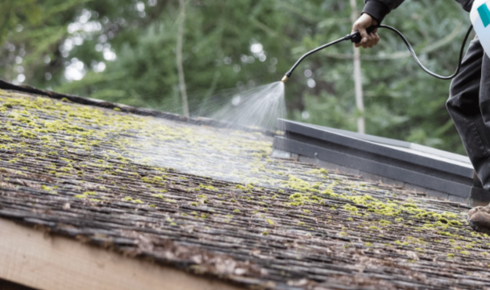
Cleaning gutters, checking for debris, making small repairs before they escalate — these things extend the life of your roof more than any quick fix ever could. It’s the quiet, consistent effort that pays off over time.

And in a way, that’s reassuring. It means you don’t need to wait for something to go wrong to take action.

A Final Thought — Paying Attention Before It’s Necessary

Most people only think about their roof when they have to. When something leaks, cracks, or breaks.

But there’s value in paying attention before it becomes necessary.

Your roof does its job every day without asking for much in return. A little awareness, occasional care, and timely decisions — that’s usually enough to keep things in good shape.

And when you do that, you’re not just maintaining a structure. You’re protecting a space where life happens. Quiet mornings, busy evenings, unexpected moments — all of it.

Sometimes, the most important parts of a home are the ones we rarely look at.

The Quiet Shift Toward Better Water at Home

0

There’s a moment—usually small, almost forgettable—when people start caring about their water. Not in a dramatic, headline-grabbing way. More like… noticing the tea tastes slightly off, or the shower leaves your skin feeling tighter than it should. Nothing alarming. Just enough to make you pause.

And once you notice it, you don’t really un-notice it.

Water, for most of us, has always been a given. Turn the tap, it flows. But lately, more households are looking a little closer, asking simple questions that don’t always have simple answers. What’s in this water? Why does it behave the way it does? And maybe most importantly—can it be better?

Why Water Quality Feels More Personal Than Ever

It’s not just about safety anymore. Sure, that’s the baseline. But beyond that, people are starting to think about comfort, taste, and even long-term impact.

Take drinking water, for instance. You might not realize how much you rely on it until it doesn’t taste quite right. Suddenly, you’re buying bottled water or adding slices of lemon just to mask something you can’t quite describe.

That’s where the idea of healthy drinking water comes into focus—not as a luxury, but as a basic expectation. Clean, balanced, and free from that faint metallic or chlorine-like edge. It’s the kind of water you don’t have to think about, which, ironically, is exactly what makes it valuable.

The Hidden Personality of Hard Water

If water had personalities, hard water would be the stubborn one. It doesn’t adapt easily. It leaves its mark—literally—on everything it touches.

You see it on faucets, on tiles, inside kettles. That chalky residue that builds up over time? That’s minerals like calcium and magnesium doing their thing. Not dangerous, but definitely inconvenient.

And then there’s the way it interacts with soap. You use more, it lathers less, and somehow your clothes still don’t feel quite clean.

Over time, these small annoyances start to stack up. That’s why so many homeowners begin exploring hard water solutions, not out of urgency, but out of quiet frustration. It’s less about fixing a problem and more about improving the everyday experience.

Appliances Tell the Story Too

Here’s something people often overlook—your appliances notice your water quality long before you do.

Water heaters, dishwashers, washing machines… they’re all working behind the scenes, dealing with whatever comes through the pipes. And when that water is heavy with minerals, it takes a toll.

Efficiency drops. Energy usage creeps up. Repairs become more frequent.

It’s not dramatic. There’s no sudden breakdown (usually). But over time, the wear becomes obvious. And by then, you’re left wondering if things could’ve been different with a bit of foresight.

The Subtle Art of Keeping Things Clean

There’s a certain satisfaction in a spotless bathroom or a gleaming kitchen sink. But if you’ve ever scrubbed away stubborn white spots only to see them return days later, you know the struggle.

This is where scale prevention becomes more than just a technical term. It’s about reducing that constant cycle of cleaning and re-cleaning. It’s about keeping surfaces looking the way they should without extra effort.

And honestly, it changes how you feel about maintaining your space. Less frustration, fewer harsh chemicals, more time spent actually enjoying your home.

It’s Not Just About Systems—It’s About Awareness

What’s interesting is that many people don’t start with equipment. They start with curiosity.

A simple water test, for example, can reveal things you wouldn’t have guessed. Mineral levels, pH balance, trace elements—it’s like getting a behind-the-scenes look at something you’ve taken for granted your entire life.

And once you have that information, decisions feel less overwhelming. You’re not guessing anymore. You’re choosing based on what your home actually needs.

Small Changes, Real Impact

Not every solution requires a complete overhaul. Sometimes, it’s as simple as adding a targeted filter or making a small adjustment to your plumbing setup.

Other times, it’s a bit more involved—a system that treats water at the entry point, ensuring consistency throughout the house.

Either way, the goal isn’t perfection. It’s improvement.

Better-tasting water. Softer laundry. Less buildup. Fewer headaches.

And these changes don’t just affect one part of your routine—they ripple outward, touching everything from your morning coffee to your evening shower.

Living With Better Water (You’ll Notice, Eventually)

The funny thing about improving water quality is that it doesn’t feel dramatic. There’s no single moment where everything suddenly clicks.

Instead, it’s a series of small realizations.

Your soap lasts longer. Your glassware looks clearer. Your skin doesn’t feel as dry. You stop thinking about buying bottled water.

It’s almost like your home becomes a little easier to live in. Not in a flashy way—just… smoother.

A Thought to Leave You With

Water is one of those things we rely on without much thought—until something feels off. And when it does, it’s not just about fixing a problem. It’s about rethinking what “normal” should feel like.

Cleaner, softer, better-balanced water doesn’t demand attention. It doesn’t need to. It simply does its job, quietly improving the spaces and routines we care about most.

And maybe that’s enough. Maybe that’s exactly what we need.

Why Better Water at Home Isn’t a Luxury—It’s Something You Start Noticing Slowly

0

There’s this quiet shift that happens when your home water improves. Not overnight, not dramatically—but gradually, almost like your senses recalibrate. Your morning tea tastes a bit cleaner. Your skin doesn’t feel as tight after a shower. Even your appliances seem to behave better, like they’re under less stress.

Most of us grow up assuming water is just… water. You turn on the tap, and that’s it. But spend a little time paying attention, and you’ll realize it’s far more nuanced than that. Different homes, even in the same neighborhood, can have completely different water experiences.

Not All Water Problems Are Obvious

Some issues are loud and clear—like stains on your sink or that chalky residue on faucets. But others are subtle. Maybe your shampoo doesn’t lather well, or your clothes lose their softness after a few washes. You might not connect these things to water right away, but they’re often part of the same story.

Hard water, for example, is incredibly common. It carries excess minerals like calcium and magnesium, which aren’t harmful to drink—but they can wreak quiet havoc on your plumbing and daily routines.

That’s where water softeners installation starts to make sense. It’s not about chasing perfection; it’s about removing those extra minerals so water behaves the way you expect it to. Softer water doesn’t fight you—it works with you.

A Small Upgrade That Touches Everything

Once you start improving water quality, you realize how interconnected everything is. Your dishwasher performs better. Your shower feels different—less harsh, more comfortable. Even your glassware comes out clearer, without those annoying spots.

And then there’s taste. It’s funny how many people don’t realize their water has a taste until it improves. Suddenly, drinking from the tap doesn’t feel like a compromise anymore.

This is where people often explore reverse osmosis systems, especially for drinking water. These systems go a step further, filtering out dissolved solids, contaminants, and even certain odors. The result? Water that feels lighter, cleaner—almost like bottled water, minus the plastic and the cost.

But again, it’s not about chasing trends. It’s about solving a problem you can actually notice.

The Invisible Layer: What You Can’t See Still Matters

Here’s something a lot of homeowners overlook: not all water issues are visible. Some are microscopic—bacteria, viruses, or other biological contaminants that don’t change how water looks or tastes.

And while municipal systems do a solid job overall, there are still scenarios where extra protection makes sense. Maybe you rely on a private water source. Maybe you just want that added peace of mind.

That’s where UV purification comes into play. It’s not flashy. There’s no dramatic taste difference. But it quietly neutralizes microorganisms, adding a layer of safety that’s hard to measure—but easy to appreciate once you understand it.

Finding the Right Balance (Without Overdoing It)

If you’ve ever looked into water systems, you know how quickly things can get overwhelming. It’s easy to fall into the trap of thinking you need everything—a softener, an RO system, UV treatment, and maybe a few extra filters for good measure.

But here’s the truth: most homes don’t need all of that.

The best approach is usually the simplest one that works. Start with a water test. Understand what’s actually in your water. From there, you can make decisions based on facts, not assumptions.

Sometimes, a single upgrade makes a noticeable difference. Other times, a combination works better. But it’s rarely about going all-in from day one.

Living With Better Water—The Part No One Talks About

Once your system is in place, life doesn’t change dramatically. You don’t wake up thinking about your water every morning. In fact, you stop thinking about it altogether—and that’s kind of the point.

There are small routines, of course. Refilling salt in a softener. Changing filters every few months. It’s not complicated, just something you fold into your normal household rhythm.

And then, every now and then, you’re reminded of the difference. Maybe when you visit someone else’s house and notice the water feels harsher. Or when you travel and suddenly miss the way your home water tastes.

It’s subtle, but it sticks with you.

More Than Just Comfort—It’s a Long-Term Choice

Improving water isn’t just about comfort, though that’s a big part of it. It’s also about protecting your home over time. Hard water can shorten the life of appliances. Sediment can clog fixtures. Poor-quality water can quietly increase maintenance costs without you realizing it.

So when you invest in better water, you’re not just upgrading your daily experience—you’re making a long-term decision for your home.

And honestly, it’s one of those upgrades that doesn’t go out of style. Trends change, technologies evolve, but clean, balanced water? That’s always relevant.

The Quiet Satisfaction of Getting It Right

There’s something deeply satisfying about solving a problem you didn’t fully understand at first. Water is like that. It’s easy to ignore until you start paying attention—and once you do, you can’t unsee it.

The good news is, you don’t need to become an expert. You just need to notice, ask a few questions, and take a step in the right direction.

Because at the end of the day, better water isn’t about perfection. It’s about ease. It’s about your home working the way it should—quietly, reliably, without friction.

And once you have that, even something as simple as turning on the tap feels just a little more satisfying.

Before You Fix Your Water, You Have to Understand It First

0

There’s a quiet assumption most of us live with—we turn on the tap, and whatever comes out is “good enough.” Not perfect, maybe not even great, but usable. And for a long time, that’s usually true. Until something shifts.

It might be a metallic taste you can’t quite ignore anymore. Or maybe your bathroom fixtures start collecting that stubborn white residue. Sometimes it’s subtler—dry skin, dull hair, appliances acting older than they are.

And that’s when the thought creeps in: maybe it’s not just the plumbing… maybe it’s the water itself.

Why Guessing Isn’t the Best Starting Point

A lot of people jump straight into solutions. They start researching filters, softeners, fancy systems with multiple stages. It feels proactive, like you’re solving the problem quickly.

But here’s the thing—without knowing what’s actually in your water, you’re just guessing.

Different homes deal with different issues. Some water is hard, loaded with calcium and magnesium. Other sources might have higher chlorine levels, or traces of iron, or even sediments you can’t see.

This is where free water testing becomes surprisingly useful. It’s not about committing to anything right away—it’s just about getting a clearer picture. A simple test can reveal what’s really going on, and sometimes the results are… unexpected.

The Story Your Water Is Trying to Tell

Once you’ve tested your water, the next step isn’t panic—it’s interpretation.

Numbers, readings, pH levels—it can all feel a bit technical at first. But think of it less like data and more like a story. Your water is telling you what it carries, what it lacks, and what might need adjusting.

That’s essentially what water quality analysis is about. It’s not just identifying problems, but understanding their impact. High hardness might explain scale buildup. Chlorine levels might affect taste. Iron content could be behind those reddish stains in your sink.

And suddenly, those everyday annoyances start making sense.

Connecting the Dots Between Symptoms and Causes

This is where things get interesting. You start linking what you’ve been experiencing with what the test results show.

That chalky residue on your glassware? Likely hard water.
That faint smell in your tap water? Possibly chlorine or organic compounds.
That dryness after showers? Again, often tied to mineral content.

This process—this connecting of dots—is what I’d call a kind of water condition diagnosis. It’s not overly complicated, but it does require a bit of attention. You’re essentially matching what you feel and see with what the data confirms.

And once you do that, the path forward becomes much clearer.

Why One Solution Doesn’t Fit Every Home

It’s tempting to think there’s a universal fix. Install a certain system, and everything will be perfect. But water doesn’t work that way.

What solves one home’s issue might be unnecessary—or even ineffective—for another. A household dealing with hard water might benefit from a softener, while someone else might need filtration focused on taste and contaminants.

That’s why starting with understanding is so important. It saves you from overspending, overcomplicating, or ending up with a system that doesn’t quite solve your problem.

The Emotional Side of It (Yes, Really)

It might sound strange, but water quality affects more than just physical things. It shapes small parts of your daily comfort.

A good shower can set the tone for your morning. Clean-tasting water makes you feel just a bit more at ease. Even something as simple as washing your hands can feel different.

When your water improves, these little moments shift. Not dramatically, but enough to notice.

And once you’ve experienced that, it’s hard to go back.

Taking Action Without Rushing It

If you’re at the stage where you suspect something’s off, the best move isn’t to rush into buying equipment. It’s to pause, test, and understand.

Start small. Get your water checked. Look at the results without overthinking them. Maybe even consult someone who can explain things in plain language, not just technical jargon.

From there, decisions feel less like risks and more like logical next steps.

Maintenance and Reality Checks

Even after you’ve identified the issue and installed a solution, it’s not a one-and-done situation. Systems need occasional care. Filters need replacing. Conditions can change over time.

But it’s manageable. Once you’re aware, staying on top of it becomes part of your routine.

And honestly, it’s a small effort for something that impacts your home every single day.

A Final Thought, Without the Noise

If there’s one thing to take away from all this, it’s that your water deserves a second look. Not because something is necessarily wrong, but because understanding it gives you control.

You don’t need to become an expert. You don’t need to install the most advanced system out there.

You just need clarity.

And once you have that, everything else—every decision, every improvement—starts to fall into place, naturally.

The Quiet Systems Behind Your Water: Why They Matter More Than You Think

0

Most of us don’t spend much time thinking about where our water comes from. We turn on a tap, fill a glass, run the washing machine — and everything just works. It’s so automatic that we rarely pause to consider the hidden network of systems quietly supporting those daily routines.

But when something goes wrong — low pressure, strange taste, inconsistent flow — we suddenly realize how essential those unseen systems really are.

Water in a home isn’t just about pipes and faucets. It depends on a carefully balanced combination of equipment, maintenance, and smart planning. And when those elements work together properly, life feels smoother in ways we often take for granted.

The Journey of Water Into Your Home

Before water reaches your kitchen sink, it typically travels a long and complex path. For homes connected to municipal supplies, that journey begins at treatment plants and moves through miles of underground pipelines.

For others, especially in rural or semi-rural areas, water may come from private wells — drawing groundwater directly from natural underground sources.

In both cases, multiple systems play a role in ensuring water arrives safely, consistently, and at the right pressure.

Understanding these systems helps homeowners recognize why regular maintenance and proper installation matter so much.

The Role of Clean Water Treatment

One of the most important components of any water setup is effective treatment. Even when water appears clear, it can contain minerals, sediments, or chemical residues that affect taste, odor, and performance.

That’s why many homes rely on filtration systems designed to remove unwanted particles and improve overall water quality.

These systems can range from simple point-of-use filters to comprehensive whole-house solutions. Their goal is not only to ensure safety but also to enhance usability — making water taste better, protecting appliances, and preventing buildup inside plumbing.

When filtration works properly, the difference is subtle but noticeable. Water feels fresher. Cleaning becomes easier. And daily routines run more smoothly.

Why Well Maintenance Is Essential

For households using private wells, water care involves an additional layer of responsibility. Unlike municipal systems, private wells require regular monitoring to ensure safety and performance.

This is where professional well services become critical. These services include water testing, system inspections, and maintenance designed to keep wells operating efficiently.

Routine well care helps identify potential issues early, such as sediment accumulation, bacterial contamination, or changes in water quality.

Many homeowners overlook well maintenance until problems arise, but proactive care can prevent costly repairs and ensure reliable water supply over time.

The Importance of Reliable Water Pressure

Another essential factor in household water systems is pressure. Consistent water pressure ensures that appliances function properly, showers feel comfortable, and daily tasks remain efficient.

Water pressure is largely controlled by pumps and pressure tanks — systems that regulate how water moves through the home.

Proper pump installation plays a crucial role in maintaining this balance. A well-installed pump ensures steady water flow, prevents pressure fluctuations, and supports efficient system performance.

Poor installation, on the other hand, can lead to uneven pressure, increased energy consumption, and premature equipment wear.

Because pumps operate behind the scenes, their importance often becomes clear only when problems occur.

The Hidden Benefits of Proper Water Systems

When water systems are well-designed and properly maintained, homeowners experience benefits that extend beyond convenience.

Appliances operate more efficiently, reducing energy costs. Plumbing systems last longer, minimizing repair expenses. Water quality improves, supporting better health and comfort.

Even small improvements — such as consistent pressure or clearer water — can have a meaningful impact on daily life.

Over time, these advantages accumulate, making water system care a worthwhile investment.

Technology Is Transforming Water Management

Modern water systems have evolved significantly in recent years. Many now incorporate advanced technology that monitors performance and provides real-time data.

Smart controllers can track water usage, detect leaks, and alert homeowners when maintenance is needed. Some systems even adjust automatically based on demand patterns.

This integration of technology makes water management more efficient and reduces the likelihood of unexpected problems.

It also gives homeowners greater confidence in their water systems.

The Emotional Side of Reliable Water

Beyond practical benefits, there’s an emotional aspect to having dependable water systems.

There’s reassurance in knowing that your water supply is clean, consistent, and reliable. You don’t worry about sudden pressure drops, unusual tastes, or unexpected maintenance issues.

This sense of security contributes to overall household comfort and peace of mind.

Water becomes something you can trust, rather than something you have to think about.

A Foundation Worth Maintaining

Water systems may not be visible like kitchen appliances or home décor, but they form one of the most important foundations of modern living.

From filtration and well maintenance to pressure control and pump performance, each component plays a vital role in ensuring daily routines run smoothly.

By investing in proper installation, regular maintenance, and quality treatment solutions, homeowners can protect their water systems and enjoy reliable performance for years to come.

Because in the end, water isn’t just a utility — it’s the quiet backbone of everyday life, supporting comfort, health, and convenience in ways we often don’t fully appreciate until something goes wrong.