
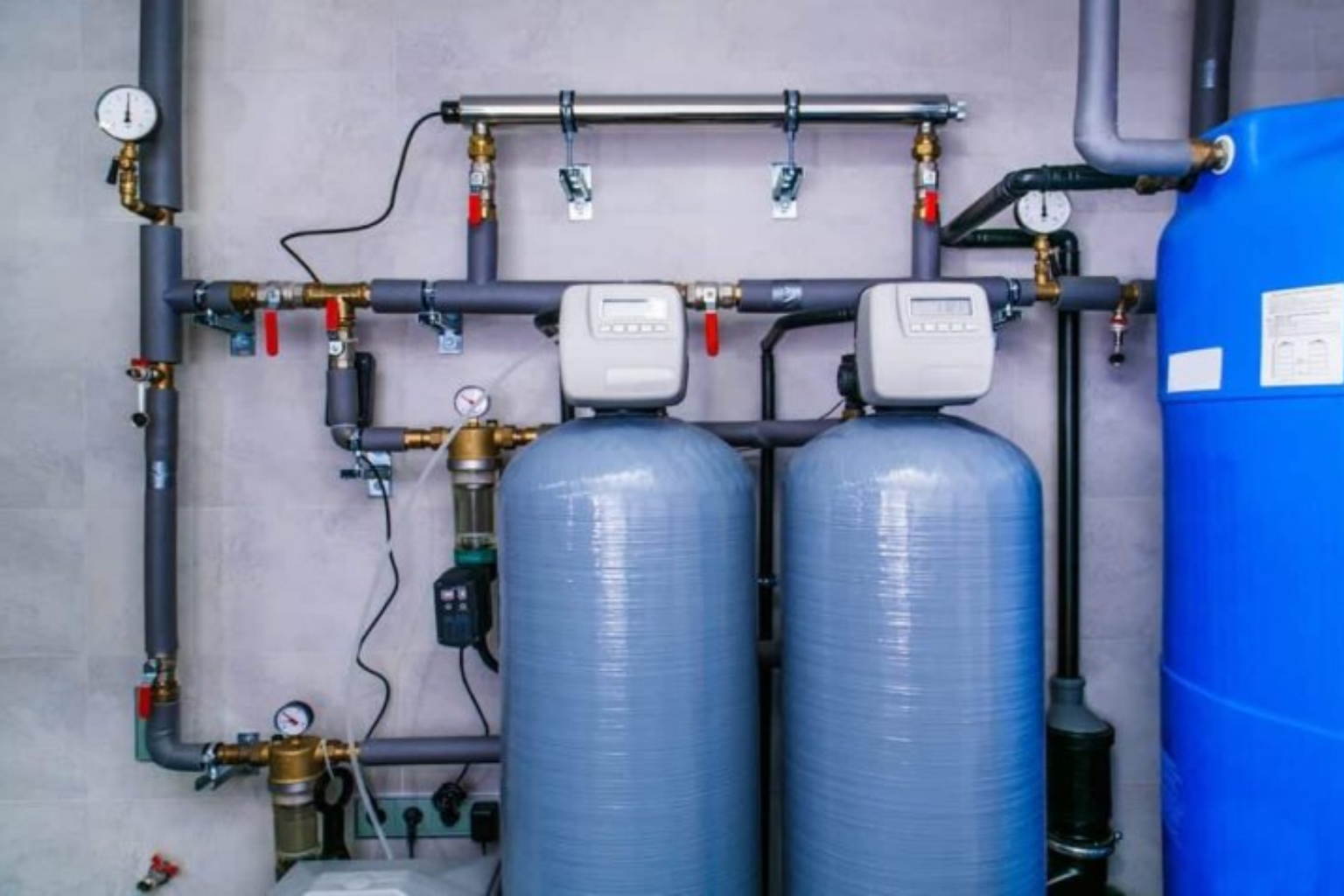

Water, for all its clarity, can be a little sneaky. It looks clean. It flows just fine. But when your skin feels dry after a shower, your dishes come out of the dishwasher spotted, and your appliances wear down faster than you’d expect, chances are you’re dealing with hard water. And if you’ve been nodding along so far, you’re probably already considering installing a water softener.
But then comes the real question: Where do I even begin?
Relax — you’re not alone. Installing a water softener might sound intimidating at first glance. There are pipes, valves, salt tanks, resin beads — it’s a lot. But it doesn’t have to be rocket science. In fact, with a little guidance (and the right diagram), it becomes surprisingly doable — or at least a whole lot easier to understand, even if you’re calling in a pro.
The Story Hard Water Doesn’t Tell You Upfront
Let’s start with the basics. Hard water simply means your water has a high concentration of minerals — mainly calcium and magnesium. While it’s not harmful to drink, it’s a real nuisance in everyday life. Think clogged plumbing, dull laundry, and soap that just won’t lather. Over time, it can even shorten the life of your water heater and washing machine.
Enter: the water softener. It’s like a bouncer for your pipes, swapping out those troublesome minerals with sodium or potassium ions before the water reaches your faucet. The result? Softer skin, shinier hair, cleaner dishes, and appliances that live longer.
So How Does It All Work, Exactly?
To really understand the installation process, it helps to see a water softener installation diagram. This type of diagram lays out the entire system — from your home’s main water supply line to the bypass valve, brine tank, resin tank, and drain connection. It’s not just for plumbers — homeowners benefit too. Why? Because once you understand the flow, you’re less likely to panic when something goes wrong.
Now, imagine a simple drawing that shows your incoming water line splitting: one path goes to the softener, the other remains untreated (maybe for watering the garden). The softener line passes through a bypass valve (super handy for maintenance), into the resin tank where ion exchange happens, then to the brine tank for regeneration. Finally, treated water flows into your home, and waste brine goes to the drain.
Even if you’re not doing the plumbing yourself, this visual helps demystify the process and gives you confidence in your setup.
Breaking Down the Water Softener System
What’s actually inside this thing? When you take a look at a water softener system diagram, you’ll see it’s a bit like a team effort behind the scenes.
Here’s the basic play-by-play:
- The Resin Tank is where all the magic happens. It’s filled with resin beads that hold onto sodium ions. When hard water passes through, the beads grab calcium and magnesium and swap them for sodium.
- The Brine Tank is where salty water is stored. It occasionally flushes the resin tank to “recharge” the beads — a process called regeneration.
- The Bypass Valve lets you turn the system off without cutting your whole water supply. Super helpful during maintenance.
- The Drain Line carries away waste from the regeneration process.
Altogether, this system quietly works in the background to keep your water soft and manageable. It’s not flashy. But once you’ve lived with softened water, going back to hard water feels like stepping into a past life.
Home Sweet Softened Home
Whether you’re building new or upgrading an older home, getting the softener installed in the right spot makes all the difference. Ideally, it should be near the water main entry point — that way, it can treat the entire home’s water before it goes to your pipes, faucets, and fixtures. You’ll also want it close to a drain and a power source (because yes, the system needs a bit of electricity to operate the valve and regeneration cycles).
If you live in a two-story or larger home, talk to your installer about water pressure and flow rate. Bigger homes need systems that can keep up.
Looking at a residential water softener installation diagram can help you get a feel for how things will be laid out — especially in tight spaces. These diagrams are tailored to typical home setups, showing everything from where the tanks go to how drain lines run, where overflow protection fits, and even placement in garages or utility rooms. It takes the guesswork out and helps you (and your plumber) avoid headaches later.
The Human Side of Water Softeners
Let’s put the technical talk aside for a second. Because at the end of the day, water softeners aren’t just plumbing gadgets — they’re lifestyle upgrades. Think about it. Softer towels. Less scrubbing in the bathroom. No more crusty white scale on your showerhead.
I remember visiting a friend’s house after they’d had their system installed. The first thing I noticed? The water just felt different. My hands weren’t squeaky after washing them. My skin didn’t itch post-shower. And the coffee? Somehow smoother. Maybe it was the cleaner kettle, maybe just a placebo — but it was hard to ignore.
That’s the real value. It’s not just about minerals and pipes — it’s about comfort, simplicity, and the small joys of daily life that quietly improve without you even realizing it.
What to Watch For (And Avoid)
Before wrapping up, a few real-world tips:
- Choose the right size. Oversized systems waste salt and water. Undersized ones won’t keep up. Base it on your household size and water usage.
- Pay attention to salt types. Not all softeners use the same kind of salt. Check your system’s preferences to avoid clogging or inefficiency.
- Check the drain path. Make sure it’s compliant with your local plumbing codes. Improper drainage can lead to backflow or flooding.
- Maintenance is a thing. Yes, it’s low-maintenance — but not zero. Refill the salt, clean the brine tank occasionally, and schedule an annual system check-up.
Final Thoughts: Why Softeners Make Sense
You don’t need to be a DIY pro or a plumbing wizard to appreciate what a water softener does for your home. And while diagrams might seem like a bunch of lines and labels, they actually offer clarity in a very practical way.
Whether you’re searching for a water softener installation diagram to get a sense of how things fit together, or you’re deep-diving into a water softener system diagram to troubleshoot a minor issue, or even reviewing a residential water softener installation diagram just to prep your space — it’s all part of owning a more efficient, comfortable home.