Water is easy to take for granted. You turn on the tap, fill a glass, wash your hands, or start the washing machine without giving it much thought. But when the water smells strange, leaves stains behind, or begins affecting expensive equipment, it suddenly becomes a concern worth addressing.
For homeowners, poor water quality can make everyday chores more frustrating. For business owners, it can interfere with operations and increase maintenance expenses. Either way, understanding what’s happening with your water supply is the first step toward making meaningful improvements.
And sometimes, the solution is much simpler than you might expect.
Understanding Your Water Before Making Changes
One of the biggest mistakes people make when purchasing filtration equipment is choosing a product before identifying the actual problem. A fancy filter might look impressive, but that doesn’t mean it’s suitable for your property.
Water quality varies depending on its source, mineral content, plumbing conditions, and other environmental factors. Some households struggle with excessive hardness, while others experience unpleasant odors or visible sediment.
Taking advantage of a free water analysis offered by a reputable service provider can be a helpful starting point. An initial assessment may identify common water quality concerns and help determine whether more comprehensive laboratory testing is necessary.
Knowing what you’re dealing with makes it easier to spend money wisely rather than relying on guesswork.
The Hidden Costs of Poor Water Quality
Have you ever noticed how quickly white deposits return around bathroom faucets, even after a thorough cleaning? That’s often a visible sign of hard water.
What you don’t see is the mineral buildup that may be developing inside your appliances and plumbing.
Water heaters, dishwashers, and washing machines can experience performance issues when excessive scale accumulates. In some circumstances, this buildup may increase energy consumption or contribute to premature equipment repairs.
There’s also the expense of cleaning products, bottled water, and additional maintenance. Individually, these costs might seem minor. Over several years, however, they can become surprisingly significant.
Addressing the underlying problem instead of repeatedly dealing with its effects often makes more financial sense.
Why Businesses Need a Different Approach to Water Treatment
Imagine running a busy coffee shop where every cup of coffee tastes slightly different because of inconsistent water quality. Customers might notice, even if they can’t quite explain what’s wrong.
Restaurants, hotels, laundromats, and manufacturing facilities all depend on water in different ways. Their treatment requirements can be considerably more demanding than those of an average household.
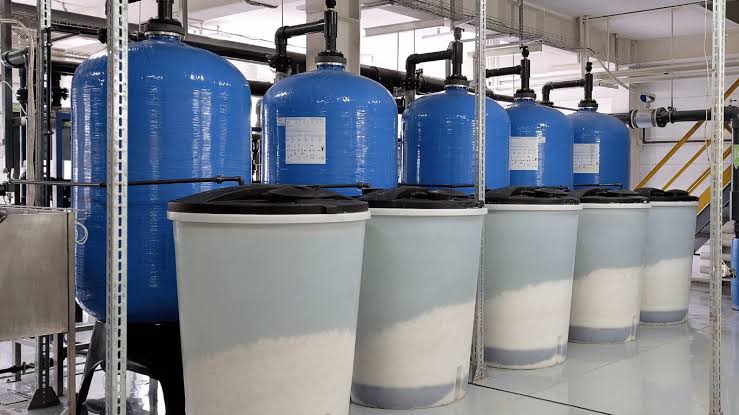
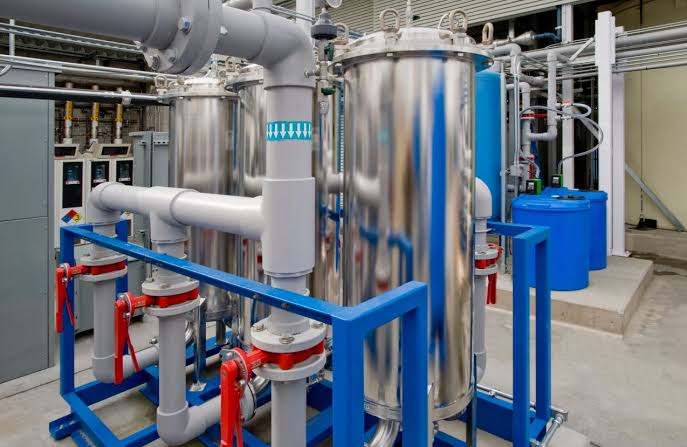
Customized commercial water solutions help businesses address specific water quality challenges while considering daily consumption, equipment requirements, and operational demands.
For a restaurant, the priority might be beverage quality and kitchen equipment protection. A hotel may focus on reducing mineral deposits and improving guest comfort. Manufacturing facilities could require specialized treatment for particular production processes.
The important thing is to match the equipment to the business, not the other way around.
Finding the Right Technology for Your Water Supply
There isn’t a universal filtration product that solves every water quality problem. Different technologies have different strengths, and understanding those differences is genuinely useful.
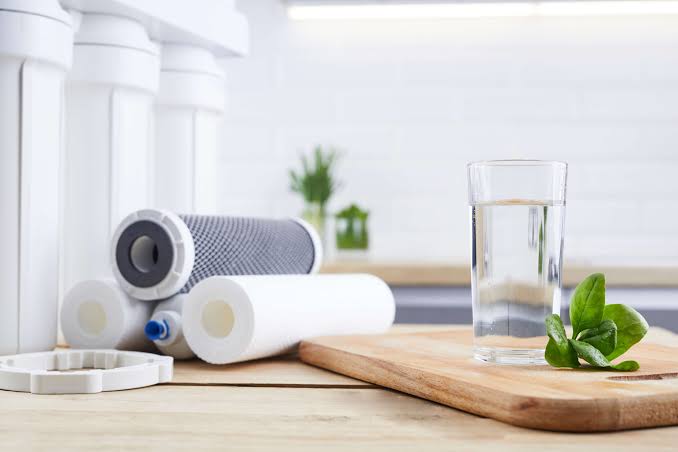
Activated carbon filtration can reduce chlorine and certain unpleasant tastes. Water softeners address hardness minerals, while reverse osmosis can reduce a range of dissolved contaminants.
Modern water treatment systems can also combine multiple technologies to address several concerns within a single property.
Still, more equipment doesn’t automatically mean better results. A household with relatively good municipal water may only need a straightforward drinking water filter. Another property might require softening, sediment removal, or additional treatment.
Look for equipment with independently verified performance claims that match your water test results.
Water Quality and the Customer Experience
Business owners often focus on visible improvements when trying to attract customers. Fresh paint, comfortable furniture, attractive lighting — all worthwhile investments.
Water quality, though less noticeable, can influence customer satisfaction too.
Spotless glassware in a restaurant, fresh-smelling towels in a hotel, and consistently prepared beverages can contribute to a more pleasant experience.
Employees may benefit as well. When equipment operates reliably and mineral deposits require less frequent cleaning, staff can spend more time on their primary responsibilities.
It’s one of those behind-the-scenes improvements that customers may never specifically mention, yet it can still add value to their overall experience.
Maintenance Is Just as Important as Installation
Installing filtration equipment isn’t the end of the process. Like most things around a property, it needs a little attention now and then.
Replacement filters, membrane servicing, and salt replenishment are common maintenance requirements, depending on the equipment installed.
Unfortunately, these tasks are easy to forget, especially when everything appears to be working normally.
Following manufacturer recommendations and scheduling periodic inspections can help maintain treatment performance. Businesses with high water consumption may need more frequent servicing than smaller households.
Keep maintenance records, too. They’re useful when troubleshooting problems or planning future equipment replacements.
Thinking Beyond the Initial Purchase Price
Budget naturally plays a role in any property improvement. However, choosing the cheapest available equipment isn’t always the most economical decision.
Consider replacement parts, operating expenses, warranties, and the availability of technical support. A reasonably priced system with straightforward maintenance might offer better long-term value than a cheaper alternative with expensive replacement components.
Better Water Starts With Better Decisions
Improving water quality doesn’t have to be complicated. Begin by understanding your water supply, identify your priorities, and invest in treatment equipment that genuinely meets your requirements.
Whether you’re managing a family home or operating a busy commercial property, reliable water quality can make everyday activities easier and more efficient.
After all, water supports nearly everything we do. Giving it the attention it deserves is a practical decision with benefits that can last for years.