Water is part of nearly everything we do, from making the first cup of coffee in the morning to washing dishes after dinner. Most days, we don’t give it much thought. Then a strange taste appears, white deposits build up around the faucet, or the showerhead starts losing pressure. Suddenly, something as ordinary as turning on a tap becomes a small daily frustration.
These problems can have different causes, and the right solution isn’t always obvious. Sometimes a simple filter is enough. In other cases, the water may need testing, specialised equipment, or professional attention. Understanding what’s happening before buying a product can save money and prevent a minor inconvenience from becoming a larger issue.
Start With the Signs Your Water Is Giving You
Water quality concerns often show up through small changes around the house. White scale on shower screens may indicate hard water, while reddish-brown marks can sometimes point to iron. A chlorine-like taste may be associated with municipal disinfection, and sediment can make water look cloudy or leave particles in fixtures.
These signs are useful clues, but they don’t provide a complete diagnosis. Clear water can still contain substances that aren’t visible, and an unusual smell doesn’t automatically mean the supply is unsafe. If the taste, colour, or odour changes suddenly, investigate the cause rather than assuming that a new filter will solve everything.
Your water source matters, too. Municipal supplies are generally treated and monitored, but household plumbing can affect water quality at individual taps. Private wells may need more frequent testing because groundwater conditions can change with rainfall, flooding, nearby land use, and other environmental factors.
A little observation can help you decide what to investigate. Does the issue affect every tap or just one? Has it appeared gradually, or did it start overnight? Are the problems limited to drinking water, or do they affect showers, laundry, and appliances as well? The answers can help narrow down the possibilities.
Why Professional Guidance Can Be Worthwhile
When water problems keep returning, it’s tempting to try one product after another. A filter from a hardware store might improve the taste, but it won’t necessarily address mineral buildup or a particular contaminant. Buying equipment without understanding the problem can quickly become an expensive guessing game.
Reliable water treatment services can help homeowners identify the concern, interpret test results, and consider suitable treatment methods. A qualified professional should explain why a system is being recommended, what it is designed to reduce, and which issues it won’t address.
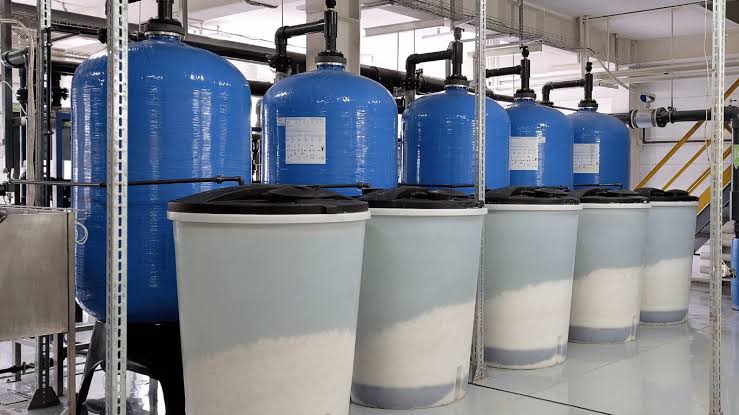
For example, a household dealing with hardness may benefit from a conventional water softener. If the concern is sediment, a properly selected particle filter may be more appropriate. Drinking water that contains a specific dissolved contaminant may require a different technology altogether.
Ask for clear explanations rather than relying on broad promises. A trustworthy provider should be comfortable discussing limitations, maintenance requirements, and alternative options. If someone insists that every home needs the same equipment, it’s reasonable to ask for supporting evidence or seek another opinion.
Understand the Most Common Water Problems
Some water concerns are mainly practical annoyances, while others may require prompt attention. Knowing the difference helps you decide what to do next.
Hard water contains elevated levels of calcium and magnesium. These minerals can leave scale on faucets, kettles, showerheads, and water heaters. They may also reduce soap effectiveness, making cleaning feel like more work than it should be.
Iron can cause orange or reddish staining and may create a metallic taste. Sediment, meanwhile, can include suspended particles that collect in fixtures or affect the appearance of water. Certain naturally occurring compounds may contribute to unusual odours, although plumbing issues can sometimes create similar symptoms.
These common water problems need different solutions. A softener is designed primarily to address hardness, while specialised iron-treatment equipment may be required for elevated iron levels. Sediment filters capture particles, and activated carbon can reduce certain tastes, odours, and selected compounds, depending on the product’s design.
Health-related concerns deserve particular care. Bacteria, lead, nitrates, and other contaminants cannot always be detected by sight, smell, or taste. If you suspect contamination, arrange suitable testing and follow guidance from your local water authority or health department. Don’t assume that a general-purpose filter makes unsafe water safe.
Let Testing Guide Your Next Step
A water test gives you something more dependable than guesswork. Municipal water customers can begin by reviewing the latest report published by their water supplier. If a household concern remains, testing at the tap may help identify an issue associated with plumbing or other local conditions.
Private well owners should follow testing recommendations relevant to their area and water source. Depending on local risks, testing may include bacteria, nitrates, hardness, pH, iron, manganese, or other substances. After flooding, well repairs, or a noticeable change in water quality, additional testing may be sensible.
Choose a test that answers the question you’re asking. A basic hardness check won’t establish whether water is free from bacteria or chemical contaminants. Health-related concerns may require specific laboratory analysis, with samples collected according to the laboratory’s instructions.
Some companies offer introductory water checks at no charge. Before scheduling one, ask what is measured, whether laboratory analysis is included, and whether you’ll receive a written report. A demonstration can be informative, but it shouldn’t be treated as proof that your water is either completely safe or dangerously contaminated.
Choose Filtration That Matches Your Needs
Once you understand the water conditions, you can compare equipment more confidently. Water filtration services may help homeowners explore options ranging from simple drinking-water filters to larger systems designed to treat water entering the entire property.
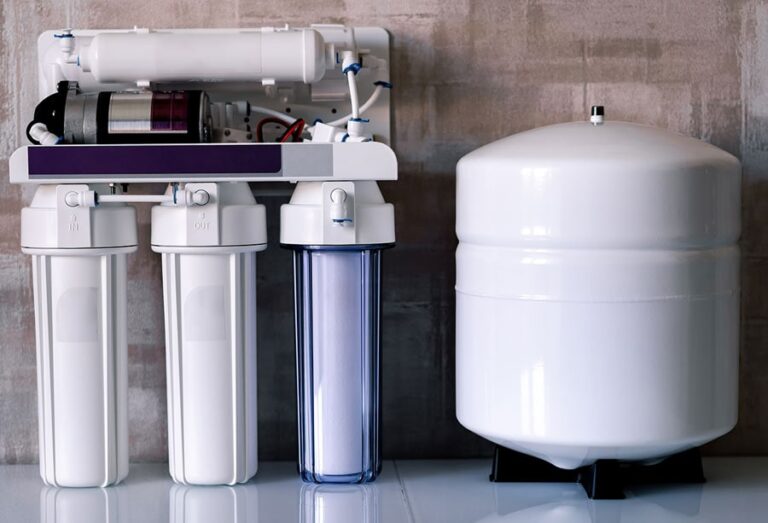
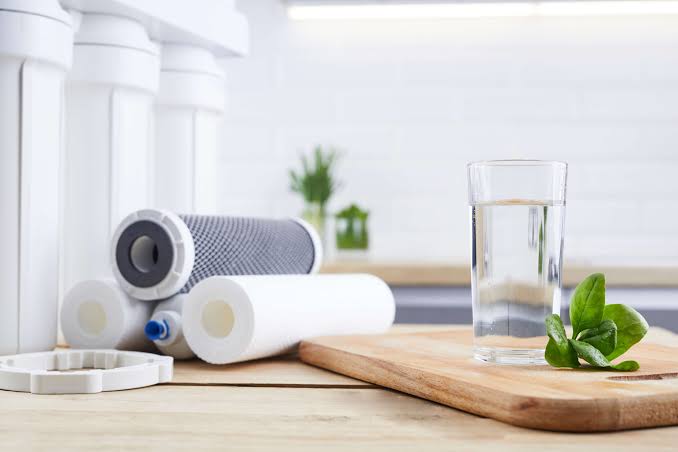
Activated carbon filters can reduce certain tastes and odours. Sediment filters capture particles, while reverse osmosis systems can reduce many dissolved substances when properly selected and maintained. Whole-house systems may be useful when the treatment goal applies to multiple fixtures rather than one kitchen tap.
No single technology removes everything. Check the manufacturer’s performance documentation and relevant independent certifications to confirm that a product is designed to reduce the substances identified by your test. The number of filtration stages or the appearance of a unit doesn’t guarantee its effectiveness.
Consider practical details as well. Will the equipment fit beneath the sink? Can it handle your household’s water demand? Are replacement cartridges easy to obtain? Does installation require drainage, electricity, or additional plumbing? These questions matter once the initial excitement of choosing a product has passed.
Maintenance Is Part of the Solution
Even a suitable treatment system needs regular attention. Filters become exhausted, membranes have a limited service life, and water softeners may require salt and periodic checks. Neglecting maintenance can reduce performance and, in some circumstances, create further problems.
Follow the manufacturer’s schedule and keep a simple record of installation dates, filter changes, and service visits. If the water’s taste changes, pressure drops, or staining returns, investigate rather than assuming the equipment has failed for an obvious reason.
Make a Confident Choice for Your Home
Better water starts with understanding what’s coming through your taps. Notice recurring problems, arrange suitable testing, and compare treatment options based on verified performance rather than advertising claims.
The goal isn’t to buy the biggest or most complicated system available. It’s to find a practical solution that addresses your household’s actual needs and remains manageable over time. With reliable information, sensible equipment choices, and routine maintenance, water quality becomes less of a mystery and more of something you can confidently look after.