Water is part of nearly everything we do at home. We drink it, cook with it, wash our clothes in it, and rely on it for a decent shower after a long day. So when something feels off, even a small water quality issue can become surprisingly frustrating. Maybe your drinking water tastes strange, your bathroom taps keep collecting white deposits, or your washing machine seems to need attention more often than it should.
These problems don’t always have the same cause, which is why finding the right solution matters. Some households need better filtration, others struggle with hard water, and some may benefit from a combination of treatment methods. The good news is that understanding your water doesn’t require a chemistry degree. A little practical knowledge can help you make a sensible decision without spending money on equipment you don’t need.
Understanding What Comes Out of Your Tap
Water quality depends on where your supply comes from, how it’s treated, and the condition of the plumbing it travels through. Municipal water providers generally treat and monitor their supplies, but water can still pick up substances from distribution pipes or household plumbing. Private wells have their own challenges because groundwater conditions can vary with rainfall, nearby land use, and local geology.
Some issues are easy to notice. A strong chlorine smell, reddish staining, cloudy water, or chalky deposits around faucets may signal a particular water quality concern. Others are less obvious. Certain dissolved chemicals and microorganisms can’t be identified reliably by appearance, taste, or smell alone.
That’s an important distinction. Clear water isn’t automatically free from contaminants, and water that tastes unpleasant isn’t necessarily unsafe. Testing helps separate cosmetic concerns from issues that deserve more immediate attention.
Start by identifying what bothers you most. Is it the taste of drinking water, mineral buildup on fixtures, sediment, or a specific contaminant identified in a report? Once you know the problem, choosing a suitable treatment method becomes much easier.
When Water Filtration Makes Everyday Life Easier
Filtration can address several common water quality concerns, but the results depend on the technology being used. A sediment filter captures suspended particles, while activated carbon can reduce chlorine and certain compounds that affect taste and odor. Other filters are designed for particular metals, chemicals, or microorganisms.
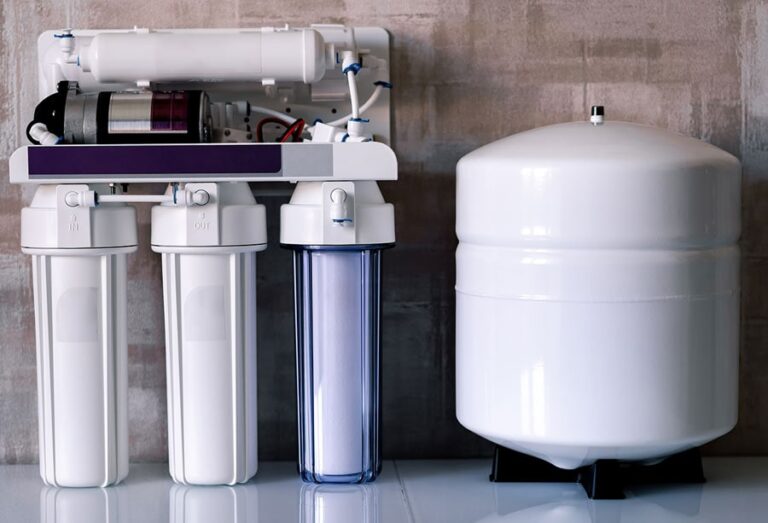
Modern water filtration systems range from simple pitcher filters to under-sink units and larger installations that treat water as it enters the house. Each has a different purpose.
For instance, if your main complaint is that tap water tastes strongly of chlorine, a properly selected carbon filter might be enough. If sediment is entering your plumbing, a suitable sediment filter could help protect downstream fixtures and equipment. Households concerned about a particular contaminant should look for a product independently tested to reduce that substance.
It pays to read product specifications carefully. Terms such as “purification,” “advanced filtration,” and “clean water technology” can sound impressive, but they don’t tell you everything about performance. Check which contaminants the device is certified to reduce, how much water it can process, and when its filters need replacing.
Installation location matters, too. A filter beneath the kitchen sink treats water at that particular outlet, while a whole-house unit can treat water supplied to multiple fixtures. The right choice depends on whether the problem affects drinking water alone or the entire property.
Dealing With Hard Water and Mineral Buildup
Hard water is another common source of household frustration. It contains elevated levels of dissolved calcium and magnesium, which can leave deposits on shower screens, faucets, kettles, and water heaters.
You might notice that soap doesn’t lather easily or that freshly washed glasses look spotted despite coming straight from the dishwasher. Over time, mineral scale can accumulate inside plumbing and appliances, sometimes reducing their efficiency.
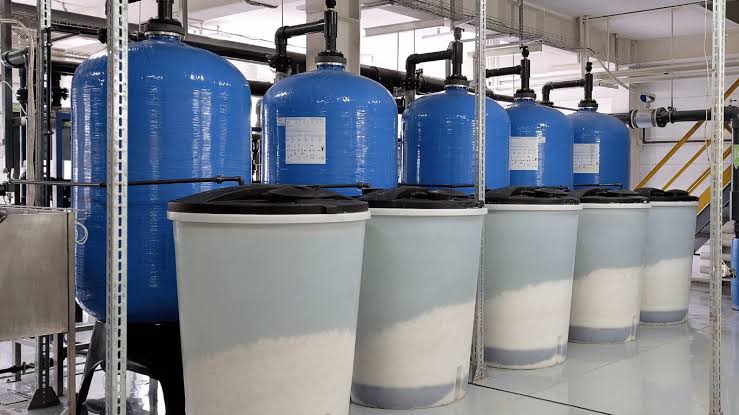
In these situations, water softening systems may offer a practical solution. Conventional salt-based softeners use ion exchange to remove calcium and magnesium ions, replacing them with sodium or potassium ions. The resin inside the unit needs periodic regeneration to maintain its capacity.
The benefits can be noticeable in daily routines. Soap may lather more easily, scale buildup can decrease, and cleaning mineral deposits may become less of a chore. Appliances that use hot water may also benefit from reduced scaling, depending on the original water conditions and how the equipment is maintained.
However, softening isn’t the same as filtration. A standard softener isn’t designed to remove every chemical contaminant, bacteria, or virus. It also doesn’t necessarily improve drinking water’s taste.
Salt-free conditioners are available as well, although they generally condition minerals rather than remove hardness in the same way as conventional ion-exchange softeners. Understanding this difference can prevent disappointment after installation.
Before buying a system, have your water hardness measured and consider household water use. A properly sized unit is more likely to deliver consistent performance without unnecessary expense.
Why a Combined Approach Sometimes Works Best
Some homes experience several water quality issues at once. Hard water may leave scale on fixtures while chlorine affects drinking-water taste. In another property, sediment might be the main concern, with no meaningful hardness problem at all.
A combination of treatment technologies can address different needs without expecting one device to do everything. For example, a household might install a softener to manage hardness and a carbon filter to reduce chlorine. If testing identifies a specific dissolved contaminant in drinking water, an additional point-of-use system may be appropriate.
The important thing is to choose each component for a clear reason. Adding equipment without testing can increase installation costs, create additional maintenance tasks, and provide little practical benefit.
Water pressure deserves consideration, too. Filters that are undersized for a household’s demand can restrict flow, especially when several taps or showers operate simultaneously. Ask about rated flow, filter capacity, plumbing requirements, and the ongoing cost of replacement parts.
A reputable installer should explain what a system does, what it doesn’t do, and which test results support the recommendation.
What to Know Before Investing in Water Treatment
The best water treatment plan starts with reliable information rather than a sales pitch. Depending on your supply, testing may include hardness, pH, iron, total dissolved solids, bacteria, or specific chemical contaminants. Private well owners should follow local recommendations for routine testing, while municipal customers can review their supplier’s water quality reports and arrange additional testing when needed.
For health-related concerns, use an appropriately accredited laboratory and request testing for the specific substances you’re worried about. A basic screening test won’t necessarily identify every contaminant.
Once the results are available, compare treatment options based on verified performance, installation requirements, and long-term costs. A cheaper filter may be perfectly adequate for a simple taste issue, while a more specialized system may be necessary for a confirmed contamination concern.
Maintenance should be part of the decision from the beginning. Cartridges need replacement, softeners require periodic attention, and certain systems need professional servicing. Neglected equipment may perform poorly, even if it was excellent when first installed.
It’s also sensible to ask about warranties, service availability, and the expected lifespan of key components. These details often matter more over several years than a small difference in the initial purchase price.
Making a Confident Choice for Your Home
Better water doesn’t necessarily mean buying the biggest or most expensive treatment system available. It means understanding what’s in your water and choosing a solution that addresses the actual problem.
Begin with the basics: notice any changes in taste, odor, staining, or scale, review available water quality information, and arrange appropriate testing when necessary. From there, decide whether filtration, softening, or a combination of technologies makes the most sense.
Remember that each system has a specific role. Filtration can reduce selected particles and contaminants, softening helps control hardness minerals, and specialized treatment may be necessary for particular chemical or microbiological concerns.
With a little research and regular maintenance, you can improve everyday water quality without unnecessary complexity. And that is really the goal: water that suits your household’s needs, equipment that performs as expected, and fewer unpleasant surprises every time you turn on the tap.