

There’s this quiet shift that happens when your home water improves. Not overnight, not dramatically—but gradually, almost like your senses recalibrate. Your morning tea tastes a bit cleaner. Your skin doesn’t feel as tight after a shower. Even your appliances seem to behave better, like they’re under less stress.
Most of us grow up assuming water is just… water. You turn on the tap, and that’s it. But spend a little time paying attention, and you’ll realize it’s far more nuanced than that. Different homes, even in the same neighborhood, can have completely different water experiences.
Not All Water Problems Are Obvious
Some issues are loud and clear—like stains on your sink or that chalky residue on faucets. But others are subtle. Maybe your shampoo doesn’t lather well, or your clothes lose their softness after a few washes. You might not connect these things to water right away, but they’re often part of the same story.
Hard water, for example, is incredibly common. It carries excess minerals like calcium and magnesium, which aren’t harmful to drink—but they can wreak quiet havoc on your plumbing and daily routines.
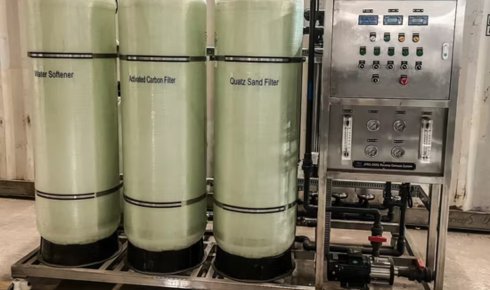
That’s where water softeners installation starts to make sense. It’s not about chasing perfection; it’s about removing those extra minerals so water behaves the way you expect it to. Softer water doesn’t fight you—it works with you.
A Small Upgrade That Touches Everything
Once you start improving water quality, you realize how interconnected everything is. Your dishwasher performs better. Your shower feels different—less harsh, more comfortable. Even your glassware comes out clearer, without those annoying spots.
And then there’s taste. It’s funny how many people don’t realize their water has a taste until it improves. Suddenly, drinking from the tap doesn’t feel like a compromise anymore.
This is where people often explore reverse osmosis systems, especially for drinking water. These systems go a step further, filtering out dissolved solids, contaminants, and even certain odors. The result? Water that feels lighter, cleaner—almost like bottled water, minus the plastic and the cost.
But again, it’s not about chasing trends. It’s about solving a problem you can actually notice.
The Invisible Layer: What You Can’t See Still Matters
Here’s something a lot of homeowners overlook: not all water issues are visible. Some are microscopic—bacteria, viruses, or other biological contaminants that don’t change how water looks or tastes.
And while municipal systems do a solid job overall, there are still scenarios where extra protection makes sense. Maybe you rely on a private water source. Maybe you just want that added peace of mind.
That’s where UV purification comes into play. It’s not flashy. There’s no dramatic taste difference. But it quietly neutralizes microorganisms, adding a layer of safety that’s hard to measure—but easy to appreciate once you understand it.
Finding the Right Balance (Without Overdoing It)
If you’ve ever looked into water systems, you know how quickly things can get overwhelming. It’s easy to fall into the trap of thinking you need everything—a softener, an RO system, UV treatment, and maybe a few extra filters for good measure.
But here’s the truth: most homes don’t need all of that.
The best approach is usually the simplest one that works. Start with a water test. Understand what’s actually in your water. From there, you can make decisions based on facts, not assumptions.
Sometimes, a single upgrade makes a noticeable difference. Other times, a combination works better. But it’s rarely about going all-in from day one.
Living With Better Water—The Part No One Talks About
Once your system is in place, life doesn’t change dramatically. You don’t wake up thinking about your water every morning. In fact, you stop thinking about it altogether—and that’s kind of the point.
There are small routines, of course. Refilling salt in a softener. Changing filters every few months. It’s not complicated, just something you fold into your normal household rhythm.
And then, every now and then, you’re reminded of the difference. Maybe when you visit someone else’s house and notice the water feels harsher. Or when you travel and suddenly miss the way your home water tastes.
It’s subtle, but it sticks with you.
More Than Just Comfort—It’s a Long-Term Choice
Improving water isn’t just about comfort, though that’s a big part of it. It’s also about protecting your home over time. Hard water can shorten the life of appliances. Sediment can clog fixtures. Poor-quality water can quietly increase maintenance costs without you realizing it.
So when you invest in better water, you’re not just upgrading your daily experience—you’re making a long-term decision for your home.
And honestly, it’s one of those upgrades that doesn’t go out of style. Trends change, technologies evolve, but clean, balanced water? That’s always relevant.
The Quiet Satisfaction of Getting It Right
There’s something deeply satisfying about solving a problem you didn’t fully understand at first. Water is like that. It’s easy to ignore until you start paying attention—and once you do, you can’t unsee it.
The good news is, you don’t need to become an expert. You just need to notice, ask a few questions, and take a step in the right direction.
Because at the end of the day, better water isn’t about perfection. It’s about ease. It’s about your home working the way it should—quietly, reliably, without friction.
And once you have that, even something as simple as turning on the tap feels just a little more satisfying.