Most of us don’t spend much time thinking about where our water comes from. We turn on a tap, fill a glass, run the washing machine — and everything just works. It’s so automatic that we rarely pause to consider the hidden network of systems quietly supporting those daily routines.
But when something goes wrong — low pressure, strange taste, inconsistent flow — we suddenly realize how essential those unseen systems really are.
Water in a home isn’t just about pipes and faucets. It depends on a carefully balanced combination of equipment, maintenance, and smart planning. And when those elements work together properly, life feels smoother in ways we often take for granted.
The Journey of Water Into Your Home
Before water reaches your kitchen sink, it typically travels a long and complex path. For homes connected to municipal supplies, that journey begins at treatment plants and moves through miles of underground pipelines.
For others, especially in rural or semi-rural areas, water may come from private wells — drawing groundwater directly from natural underground sources.
In both cases, multiple systems play a role in ensuring water arrives safely, consistently, and at the right pressure.
Understanding these systems helps homeowners recognize why regular maintenance and proper installation matter so much.
The Role of Clean Water Treatment
One of the most important components of any water setup is effective treatment. Even when water appears clear, it can contain minerals, sediments, or chemical residues that affect taste, odor, and performance.
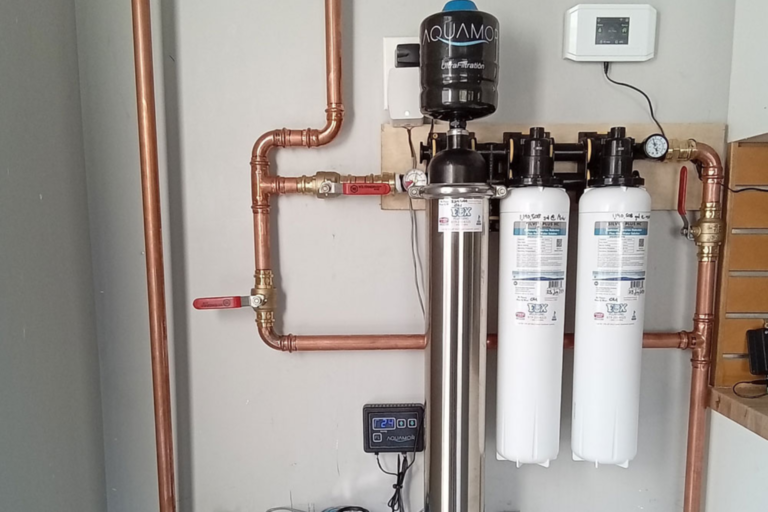
That’s why many homes rely on filtration systems designed to remove unwanted particles and improve overall water quality.
These systems can range from simple point-of-use filters to comprehensive whole-house solutions. Their goal is not only to ensure safety but also to enhance usability — making water taste better, protecting appliances, and preventing buildup inside plumbing.
When filtration works properly, the difference is subtle but noticeable. Water feels fresher. Cleaning becomes easier. And daily routines run more smoothly.
Why Well Maintenance Is Essential
For households using private wells, water care involves an additional layer of responsibility. Unlike municipal systems, private wells require regular monitoring to ensure safety and performance.
This is where professional well services become critical. These services include water testing, system inspections, and maintenance designed to keep wells operating efficiently.
Routine well care helps identify potential issues early, such as sediment accumulation, bacterial contamination, or changes in water quality.
Many homeowners overlook well maintenance until problems arise, but proactive care can prevent costly repairs and ensure reliable water supply over time.
The Importance of Reliable Water Pressure
Another essential factor in household water systems is pressure. Consistent water pressure ensures that appliances function properly, showers feel comfortable, and daily tasks remain efficient.
Water pressure is largely controlled by pumps and pressure tanks — systems that regulate how water moves through the home.
Proper pump installation plays a crucial role in maintaining this balance. A well-installed pump ensures steady water flow, prevents pressure fluctuations, and supports efficient system performance.
Poor installation, on the other hand, can lead to uneven pressure, increased energy consumption, and premature equipment wear.
Because pumps operate behind the scenes, their importance often becomes clear only when problems occur.
The Hidden Benefits of Proper Water Systems
When water systems are well-designed and properly maintained, homeowners experience benefits that extend beyond convenience.
Appliances operate more efficiently, reducing energy costs. Plumbing systems last longer, minimizing repair expenses. Water quality improves, supporting better health and comfort.
Even small improvements — such as consistent pressure or clearer water — can have a meaningful impact on daily life.
Over time, these advantages accumulate, making water system care a worthwhile investment.
Technology Is Transforming Water Management
Modern water systems have evolved significantly in recent years. Many now incorporate advanced technology that monitors performance and provides real-time data.
Smart controllers can track water usage, detect leaks, and alert homeowners when maintenance is needed. Some systems even adjust automatically based on demand patterns.
This integration of technology makes water management more efficient and reduces the likelihood of unexpected problems.
It also gives homeowners greater confidence in their water systems.
The Emotional Side of Reliable Water
Beyond practical benefits, there’s an emotional aspect to having dependable water systems.
There’s reassurance in knowing that your water supply is clean, consistent, and reliable. You don’t worry about sudden pressure drops, unusual tastes, or unexpected maintenance issues.
This sense of security contributes to overall household comfort and peace of mind.
Water becomes something you can trust, rather than something you have to think about.
A Foundation Worth Maintaining
Water systems may not be visible like kitchen appliances or home décor, but they form one of the most important foundations of modern living.
From filtration and well maintenance to pressure control and pump performance, each component plays a vital role in ensuring daily routines run smoothly.
By investing in proper installation, regular maintenance, and quality treatment solutions, homeowners can protect their water systems and enjoy reliable performance for years to come.
Because in the end, water isn’t just a utility — it’s the quiet backbone of everyday life, supporting comfort, health, and convenience in ways we often don’t fully appreciate until something goes wrong.