Water is one of those quiet essentials we barely notice—until we do. It runs through our mornings, fills our kettles, steams up our mirrors, rinses our vegetables. Most days, it behaves exactly as expected. But when something changes—an odd smell, chalky residue on faucets, cloudy ice cubes—we suddenly realize how much we rely on it.
And that’s usually when the research begins.
The internet throws around a lot of terms: filters, softeners, UV systems, multi-stage units. It can feel like you need an engineering degree just to decide what makes sense for your house. But improving your water doesn’t have to be complicated. It just needs to be aligned with what your home actually needs.
Start With the Water You Have
Before thinking about equipment, it helps to understand your starting point. Municipal water and well water behave differently. Some regions struggle with hardness. Others deal with chlorine taste. Certain homes experience sediment after heavy rainfall.
A basic water test can reveal a lot—hardness levels, pH, chlorine presence, maybe even bacterial concerns if you’re on a well. Once you know what’s in your water, solutions become less abstract and more practical.
Because here’s the truth: not every home needs every system.
Clearing the Obvious: Filtration
For many households, the first step is addressing taste, odor, and visible impurities. That’s where home water filtration typically comes in.
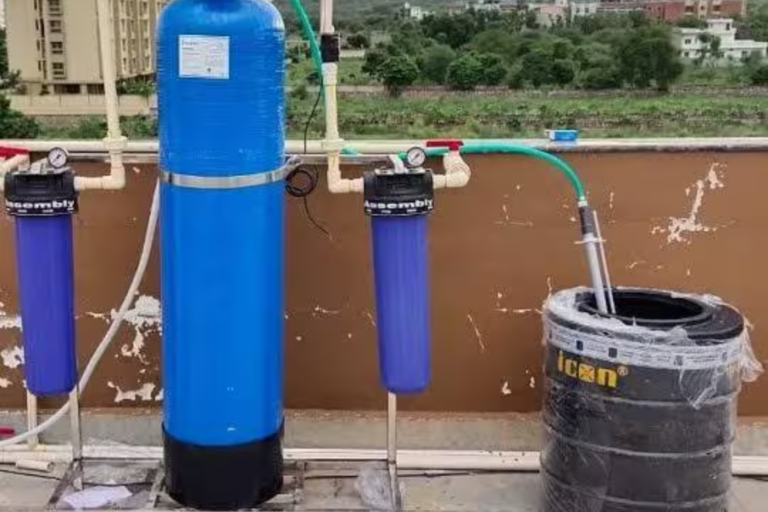
Filtration systems are designed to remove things like sediment, chlorine, and other common contaminants that affect clarity and flavor. Some are installed under the sink for drinking water only. Others treat water as it enters the home.
The difference can be surprisingly noticeable. Coffee tastes cleaner. Ice cubes freeze clearer. That faint “pool” smell in tap water fades. It’s not dramatic in a showy way—it’s subtle, but steady.
And sometimes, subtle is exactly what you want.
Tackling Hard Water at the Source
If you’ve ever scrubbed stubborn white buildup off a faucet, you’ve experienced hard water firsthand. Minerals like calcium and magnesium aren’t harmful in small amounts, but they can cause scale buildup inside pipes and appliances.
Over time, that buildup reduces efficiency. Water heaters work harder. Dishwashers leave spots. Soap struggles to lather properly.
That’s why home water softeners are so common in hard-water regions.
Softening systems use an ion exchange process to remove those hardness minerals before they circulate through your plumbing. The result? Softer-feeling showers, cleaner dishes, and appliances that don’t accumulate scale as quickly.
It’s not just about comfort—it’s about preserving what’s already in your home.
Addressing What You Can’t See
For households relying on well water, or those concerned about microbial safety, there’s another layer to consider: bacteria and microorganisms.
That’s where a uv water system can play a role.
Ultraviolet treatment works by exposing water to UV light, which neutralizes harmful bacteria and viruses without adding chemicals. It doesn’t change taste or smell. It doesn’t filter sediment. Instead, it quietly safeguards water quality at a microscopic level.
For well owners especially, this can offer peace of mind. It’s an invisible form of protection—one you’ll hopefully never notice, because it’s working exactly as intended.
Do You Need All Three?
Sometimes yes. Often, no.
If your primary concern is taste and chlorine, filtration might be enough. If hardness is causing scaling and soap inefficiency, a softener may solve most of your frustration. If microbial safety is uncertain, UV treatment adds a layer of security.
Layering systems can make sense—but only when guided by testing and practical need.
It’s tempting to install everything “just in case,” but that can increase maintenance without delivering meaningful benefit.
Thoughtful selection beats over-installation every time.
Maintenance Isn’t the Monster You Think
One hesitation homeowners often have is upkeep. Will filters need constant replacing? Will the system require complicated servicing?
In reality, most modern systems are designed for convenience. Filters are replaced on predictable schedules. Softeners need salt refills. UV lamps are typically replaced annually.
That’s about it.
Routine maintenance ensures consistent performance and extends system life. Ignoring upkeep, on the other hand, allows efficiency to decline gradually until you notice a drop in pressure or taste changes.
A little attention goes a long way.
The Emotional Side of Water Quality
There’s a practical argument for improving your water—protecting appliances, improving taste, reducing buildup.
But there’s also something emotional about it.
You stop buying bottled water. You hand guests a glass from the tap without hesitation. You cook with confidence. You shower without noticing mineral residue.
Water fades back into the background, which is exactly where it belongs.
When it’s working well, you don’t think about it.
A Final Thought
Improving your home’s water isn’t about chasing perfection or installing the most advanced system available. It’s about understanding what your water needs—and responding thoughtfully.
Whether that means filtration for taste, softening for mineral control, or UV treatment for added safety, the goal is the same: consistency and confidence.
Start with testing. Choose systems that match your actual concerns. Maintain them regularly.
And then enjoy the quiet comfort of knowing your water is doing exactly what it should—supporting your daily life without demanding your attention.
Because when water simply works, everything else feels just a little easier.