We take a lot for granted—clean air, sturdy roofs, solid Wi-Fi. But perhaps the most underrated of them all? Water. Not just the water that flows when we turn on the tap, but good water. Safe water. Water that won’t stain your clothes yellow, make your shower feel like you bathed in bleach, or taste like it was scooped from the back of a truck.
Let’s be honest—most of us don’t think about water filtration until something goes wrong. Maybe your faucet suddenly spits out cloudy water. Maybe your skin’s been itching and flaking for weeks. Or your coffee tastes… off. Whatever tips you off, that “aha” moment arrives, and suddenly, you’re deep in the rabbit hole of home filtration systems, buzzwords, and big decisions.
Let’s simplify things a bit.
The Basics: Why Tap Water Isn’t Always Trustworthy
Depending on where you live, your municipal water might be pretty decent. But even “treated” water can carry a cocktail of chemicals—chlorine, chloramine, lead (hello, old pipes), PFAS, nitrates, and even trace pharmaceuticals. And don’t get me started on well water—it often comes with its own set of surprises like iron, manganese, sulfur smells, or microbial contamination.
The truth is, even when water looks clear, it might be hiding stuff you’d never want near your toothbrush or baby’s formula.
That’s where filtration steps in.
The Two Giants: Point-of-Use vs. Point-of-Entry
When it comes to home water treatment, you’ve got two big categories:
- Point-of-use systems: Think under-sink filters or faucet-mounted options. They treat water at a single location—typically your kitchen sink.
- Point-of-entry systems: These treat all the water entering your home. Every tap, shower, and appliance benefits from clean water.
Now, let’s dive deeper into two of the most popular solutions people often weigh against each other: reverse osmosis systems and whole house backwashing filters.
Reverse Osmosis: Small but Mighty
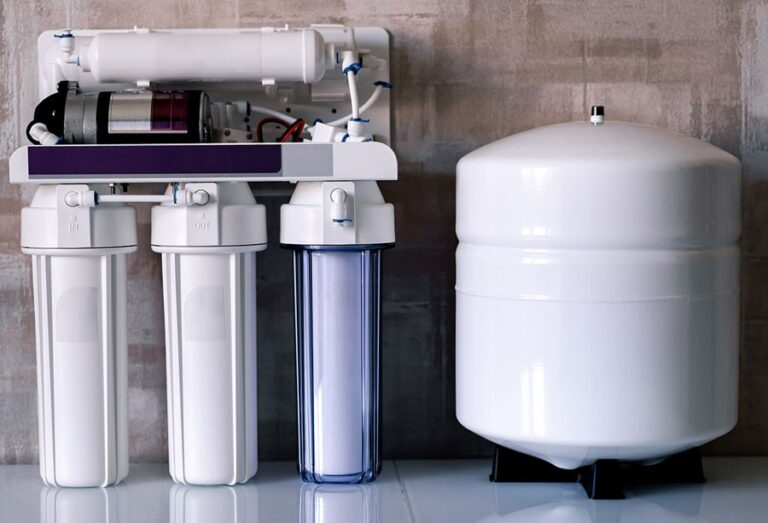
You’ve probably heard someone rave about their RO system. And with good reason. Reverse osmosis is like the elite bodyguard of filtration. It forces water through a semi-permeable membrane, removing everything from fluoride and chlorine to heavy metals and bacteria. The result? Incredibly pure water that tastes noticeably better.
But here’s the catch—RO systems are typically point-of-use. They usually live under your kitchen sink and serve a single tap. They’re not designed to filter water for your whole house. Plus, they tend to waste some water during the process (though newer models have gotten better).
Still, for drinking and cooking, reverse osmosis systems are hard to beat. They’re especially great if you’re concerned about TDS (total dissolved solids), lead, or nasty contaminants like arsenic.
Whole House Backwashing Filters: The Unsung Hero
Let’s switch gears to something bigger—whole home protection.
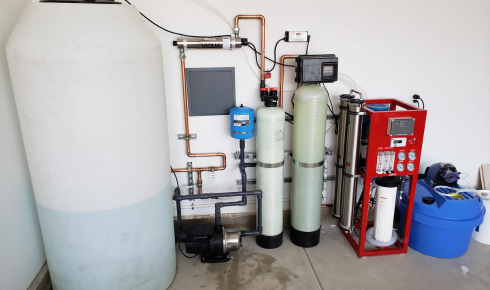
Whole house backwashing filters are point-of-entry systems. They’re like your home’s first line of defense. These systems remove sediment, chlorine, iron, sulfur, and even some organic contaminants—before the water touches your pipes, appliances, or your skin.
The “backwashing” part? That just means the system periodically cleans itself by flushing the filter media with water. No need for you to manually replace a filter every month or two. Set it and forget it.
While they don’t offer the ultra-pure quality of RO for drinking, whole house backwashing filters drastically improve your water quality throughout the home—softer showers, longer-lasting appliances, and way fewer stains on clothes and sinks.
So… Which One Should You Get?
Honestly? Maybe both.
It’s not unusual for homeowners to pair a whole house system with a reverse osmosis unit at the kitchen sink. Think of it like layers of protection: the big filter handles the heavy lifting for the whole home, and the RO fine-tunes your drinking and cooking water.
Of course, it all depends on your water source and what’s in it. Got hard water loaded with calcium and magnesium? You might need a softener in the mix. Living with well water? Iron, sulfur, and sediment are probably your top concerns.
That’s why testing your water first is key. It’s like going to the doctor before getting a prescription—you want to treat the right problem.
A Word on Health and Hidden Costs
Clean water isn’t just about taste. It’s about health.
Studies have linked prolonged exposure to chemicals like PFAS, lead, and chlorinated byproducts to issues ranging from hormone disruption to increased cancer risk. And let’s not forget how skin reacts to poor water—eczema, dryness, or rashes might not be “just winter skin” after all.
Then there’s the other cost. Mineral-heavy or chemically aggressive water wrecks plumbing, shortens the life of dishwashers, and turns shiny new faucets into crusty messes. A good filtration system might just save you thousands over time.
Real Talk: What Installation Looks Like
People sometimes picture installing a water system as some major home renovation. But in reality? Most of these systems are fairly plug-and-play for a pro.
- An RO unit can be installed under your sink in under 2 hours.
- A whole house system might take half a day, depending on your plumbing layout.
Some systems even come pre-loaded with media and require minimal setup. Just make sure to choose reputable brands and certified installers—cutting corners on something this important rarely ends well.
Final Thoughts: Don’t Wait for a Crisis
It’s easy to ignore water quality until there’s a foul smell, visible stain, or health issue. But by then, the damage is often done.
Think of water filtration like insurance. Or better yet—like upgrading from dial-up to fiber. Once you’ve made the switch, you’ll wonder how you lived without it.
Good water isn’t a luxury. It’s the baseline for everything from your morning coffee to your peace of mind. And whether you go with reverse osmosis systems, whole house backwashing filters, or both, what matters most is that you take control of what flows through your home.
Your health, your comfort, and your family deserve it.