We turn on the tap dozens of times a day—fill a glass, rinse the dishes, wash our hands—without a second thought. Water is just… there. Flowing, clear, and seemingly clean. But here’s the kicker: not all water is created equal. In fact, the source of your water—whether it’s drawn from a private well or piped in from a city system—makes a big difference in what you’re actually getting.
It’s not about sounding the alarm; it’s about being aware. Because the truth is, water that looks perfectly fine can still be carrying invisible baggage. And that’s where the real work begins—with well water & city water analysis that goes beyond guesswork and dives straight into what’s really flowing into your home.
What’s in Your Water Depends on Where It’s From
Let’s break it down. If you’re on well water, you’re basically tapping into groundwater with zero filtration or treatment from your local government. It’s your responsibility to know what’s in it—and that can change with the seasons, your surroundings, or even a heavy rainfall.
City water, on the other hand, gets treated at municipal facilities. But don’t let that word “treated” lull you into a false sense of security. Sure, the big stuff—like bacteria—is usually dealt with, but other things can sneak through, like chlorine byproducts or trace metals from old pipes.
Testing both systems is essential. One isn’t necessarily “better” than the other. But each comes with its own set of variables and risks that deserve to be looked at under a microscope—literally.
Hard Water: The Quiet Villain in Many Homes
Ever noticed a white crust on your faucet? Or your shampoo just doesn’t lather quite right? Welcome to the world of hard water.
Hard water is packed with minerals—mostly calcium and magnesium—that aren’t harmful to drink but sure do a number on your appliances, skin, and plumbing. It can wear down your water heater, clog your pipes, and make laundry feel like you’re washing with sandpaper.
It’s especially common in well water, but municipal systems aren’t immune either. And here’s the kicker: most people don’t even know they have hard water until they see the signs. By then? You’re replacing fixtures and running your dishwasher twice.
When’s the Right Time to Test? (Hint: Now)
Look, nobody loves the idea of “testing.” It sounds clinical, like you need a lab coat or a chemistry degree. But modern water analysis is shockingly simple. Professionals come to your home, grab a sample, and within minutes you get a clear picture of what’s happening behind the scenes.
You should absolutely consider water testing if:
- You’re moving into a new home (especially with a private well).
- Your water smells weird or tastes metallic.
- You’ve had unexplained health issues.
- Your appliances seem to be dying faster than they should.
- You’re spending a fortune on bottled water just to feel safe.
Even if everything seems fine, periodic testing is just good sense. Especially when you consider how small changes in your environment—a nearby construction site, heavy rainfall, or even drought—can affect your water source.
What the Test Can Reveal (And Why It Matters)
Water analysis isn’t just about whether it’s safe to drink. It’s about understanding what long-term exposure could mean. Some of the most common things that show up include:
- Bacteria and coliforms: Mostly in well water, can make you sick.
- Nitrates and nitrites: Often from fertilizer runoff—especially dangerous for infants.
- Iron and manganese: Cause staining and weird tastes.
- Lead and copper: Leach from old pipes—dangerous even in small amounts.
- Chlorine and chloramine: Used in city water to disinfect but can dry out skin and corrode fixtures.
And then there’s hardness. If your test shows high levels, it might be time to look into a water softener or filtration system to save your plumbing and your peace of mind.
Why DIY Strips Aren’t Enough
Sure, those over-the-counter test strips at the hardware store are better than nothing. But they’re limited. Often, they’re hard to read, miss crucial contaminants, or just don’t give you the full picture. Real testing—either through certified labs or professionals—is far more accurate and insightful.
You wouldn’t base your health decisions on a guess, right? Don’t do it with your water either.
Taking Action Without the Overwhelm
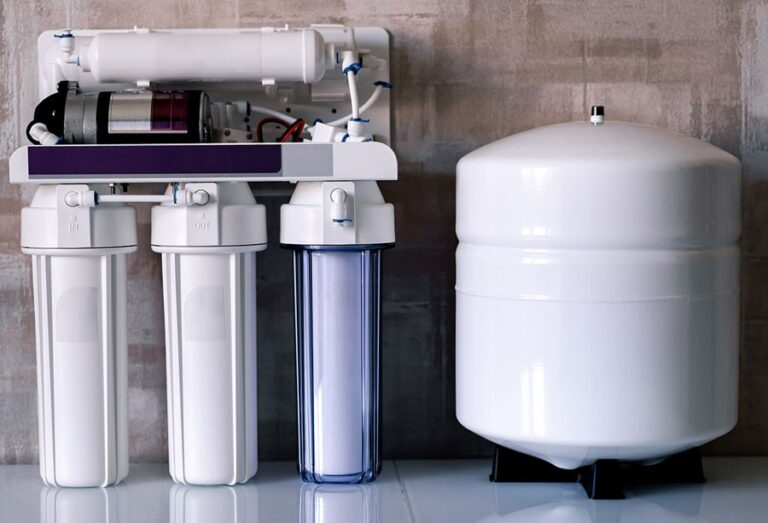
Here’s what happens when people finally get their water tested: they panic. Or they freeze. There’s this feeling of, “Now what?” That’s normal. But the beauty of modern water treatment is the variety of options available. From under-sink reverse osmosis systems to whole-house filters or softeners, you don’t have to spend a fortune to solve the problem.
The key is working with professionals who don’t just sell products—they actually care about getting your water where it needs to be.
Your Home Deserves Better Water
It’s easy to ignore what we can’t see. But water is the one thing you interact with every single day. You drink it, bathe in it, clean with it—it deserves more attention than it gets.
Whether you’re on a rural well or urban grid, your water story matters. Well water & city water analysis gives you a starting point. And understanding hard water is just part of the bigger picture.